
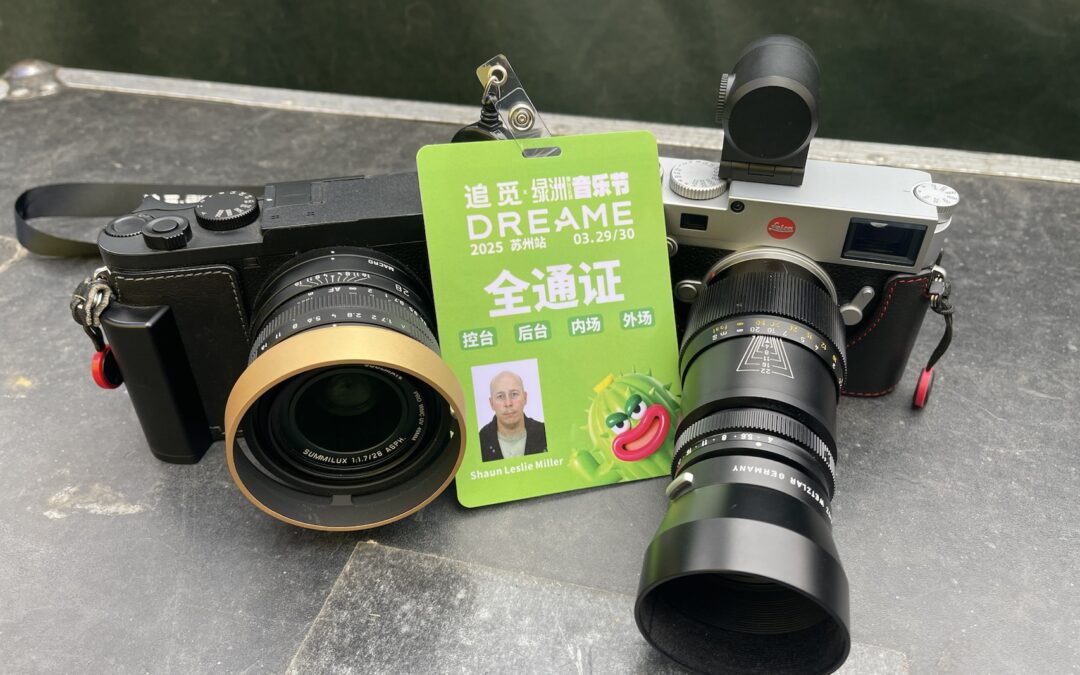
Oasis Music Festival Suzhou 2025

The first day of the new festival kicked off with a university music competition. Luckily, that meant no real pressure to deliver publishable images, giving me the chance to try something different. I left my Nikons at the hotel and brought only my Leica kit. A lot of the old-school music photographers produced incredible work with their film Leicas, so I wanted to see what it was like shooting a festival with a rangefinder and the Leica Q2M.
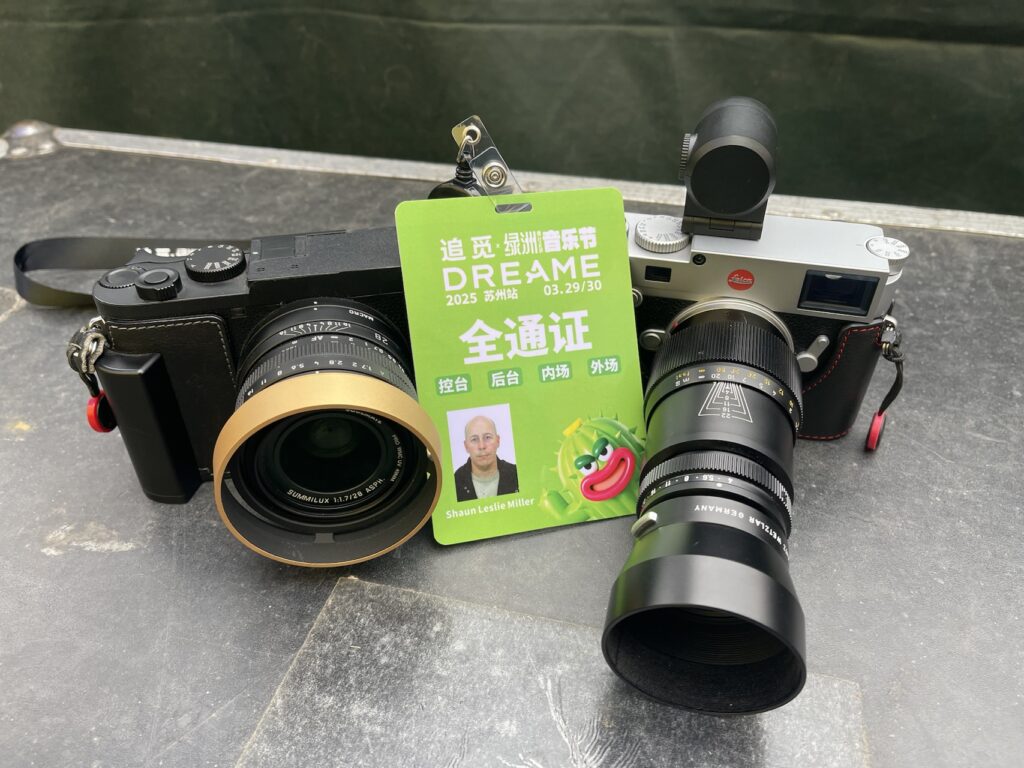
The biggest issue with using a rangefinder system at a music festival in China is focal length. 135mm is just too short—you don’t get enough reach. Fortunately, I had an unlimited pass, so I could get on stage. Otherwise, I wouldn’t have gotten much at all. Shooting the 135 without the EVF during a show would be impossible.
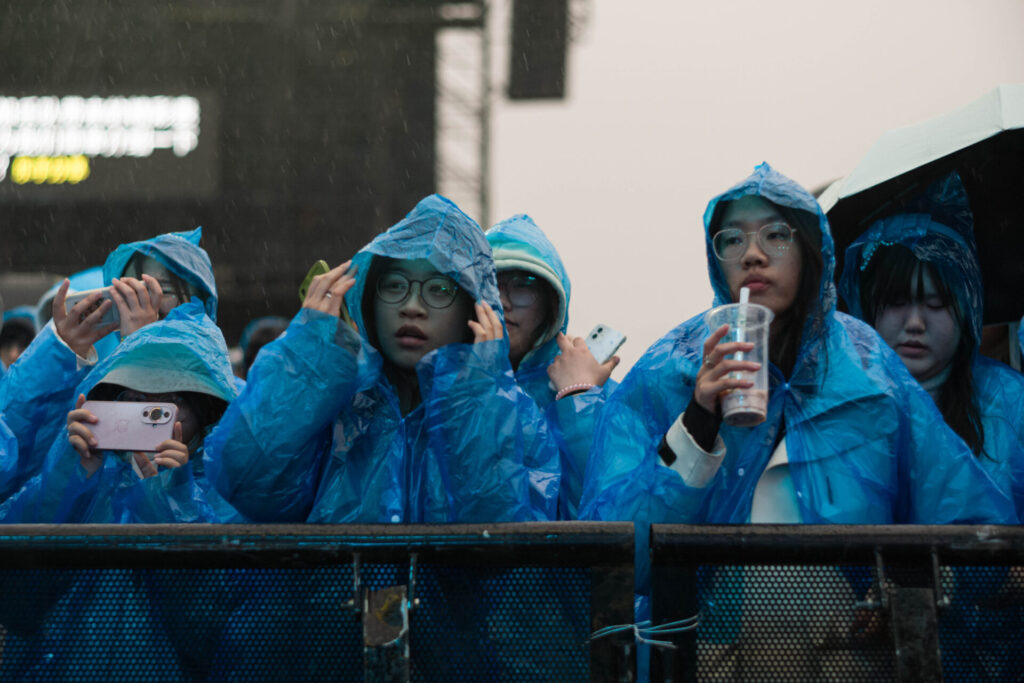
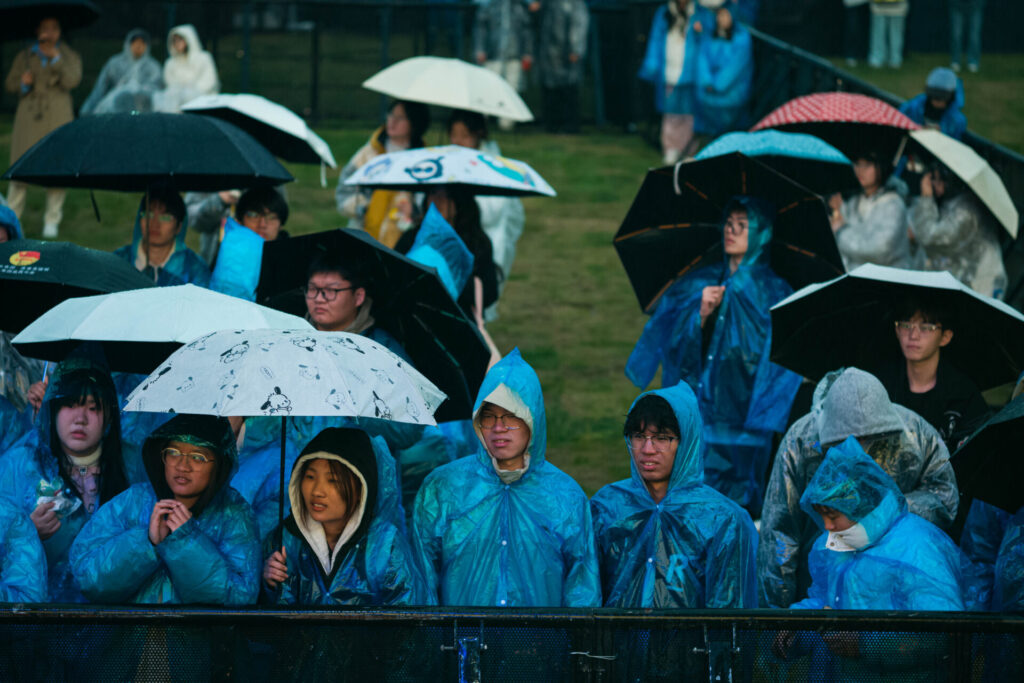
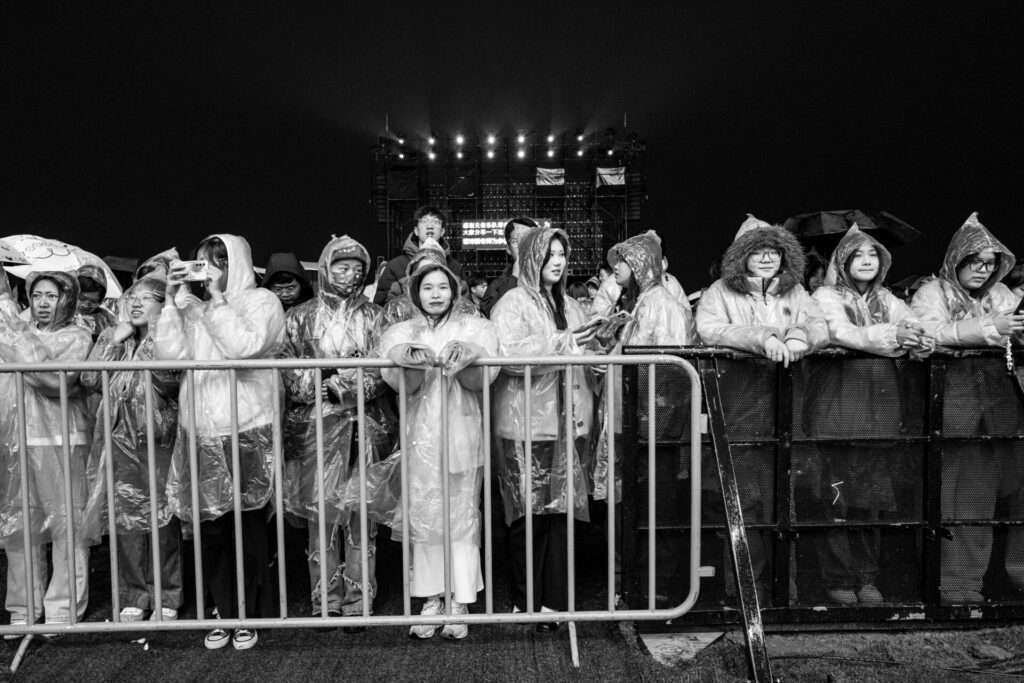
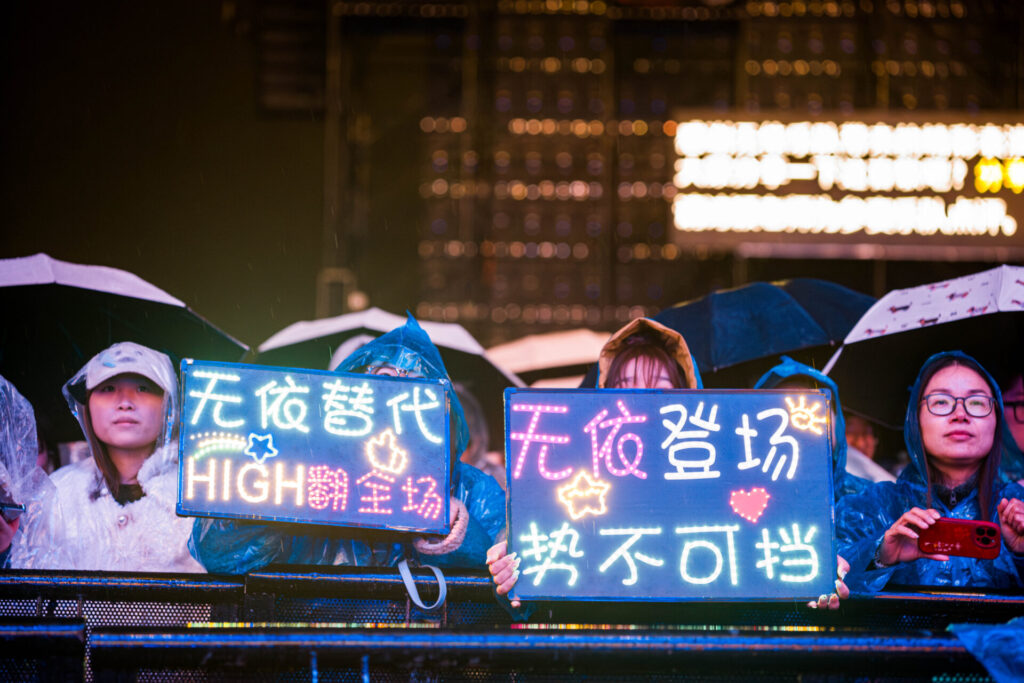
The pre-show started in rain and cold. It was a constant soft drizzle, which made me nervous because I had only brought my two Leicas. Neither the M10 nor the Q2M are weather-sealed, but they were all I had. So, I went to work, crossed my fingers, and hoped they could survive the bad weather.
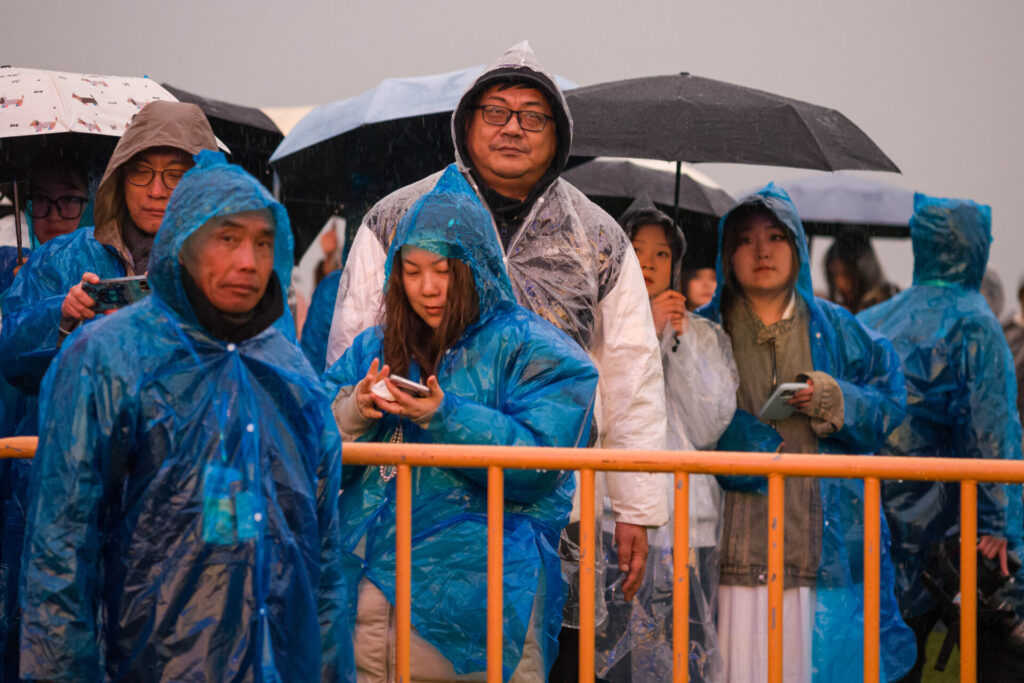
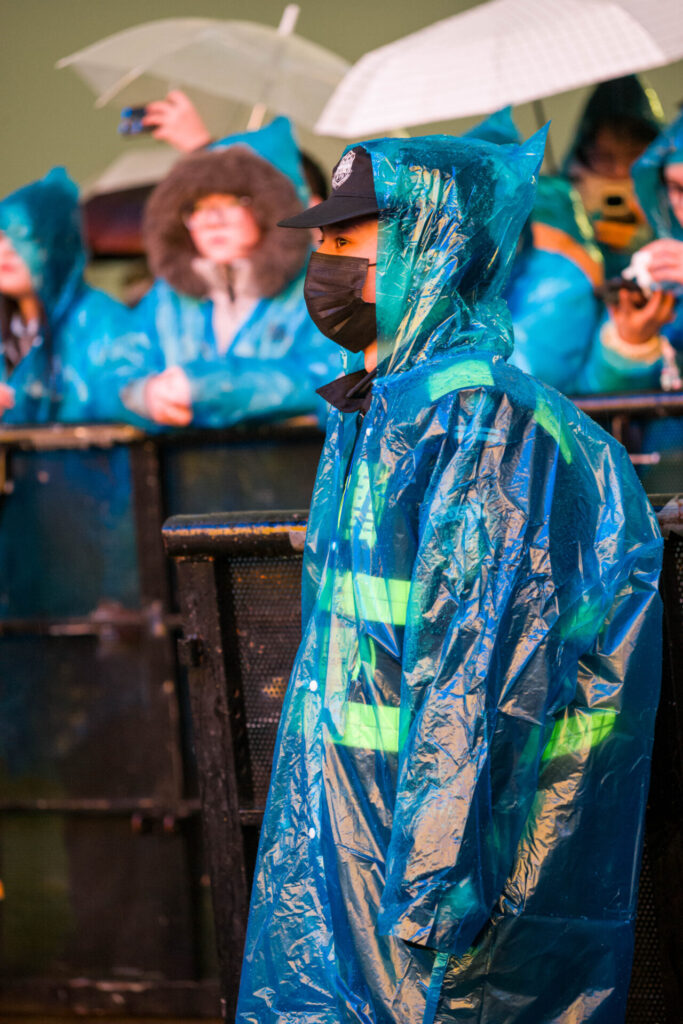
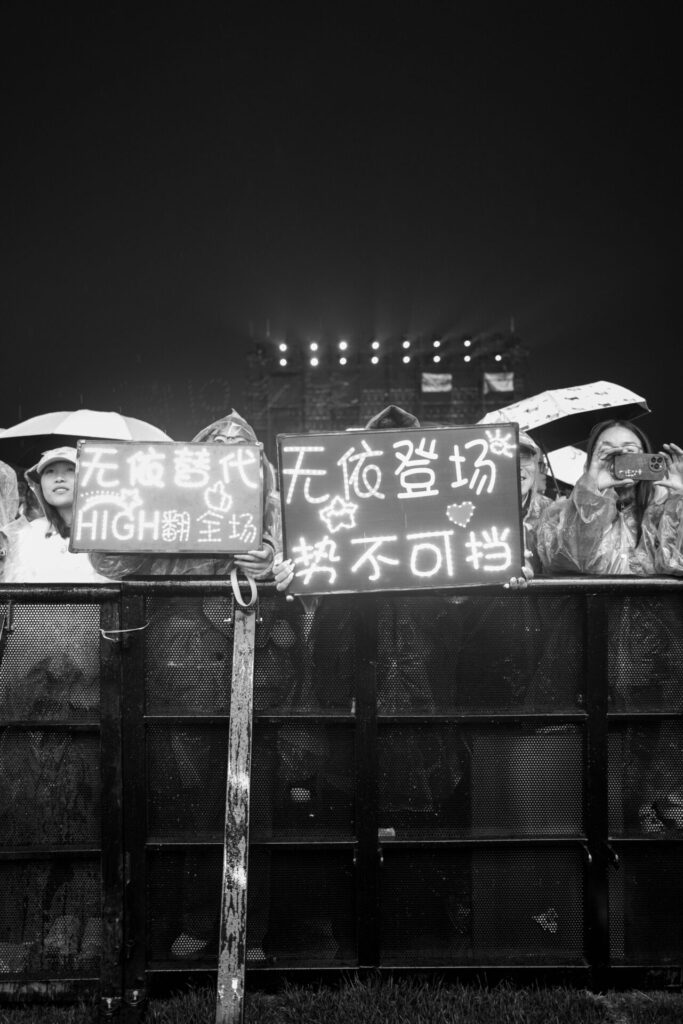
No one enjoyed standing in the rain, but the crowd—mostly university students—showed up to support their bands in the competition. With the Leica M, I used the 135mm almost exclusively for reach, but I shot a lot with the Q2M as well, especially crowd shots.
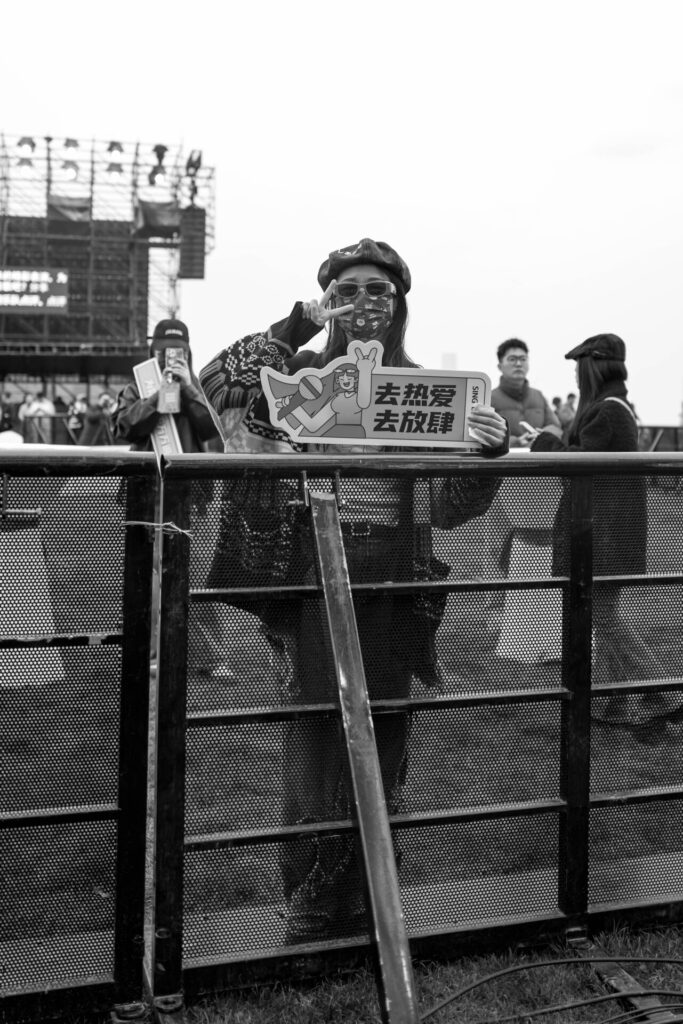
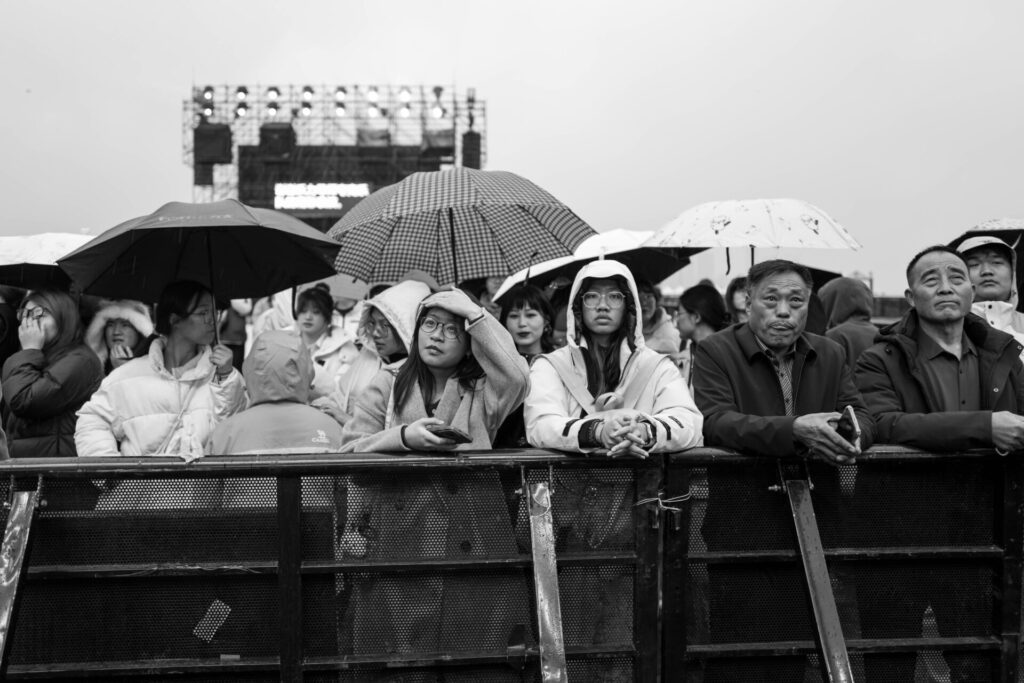
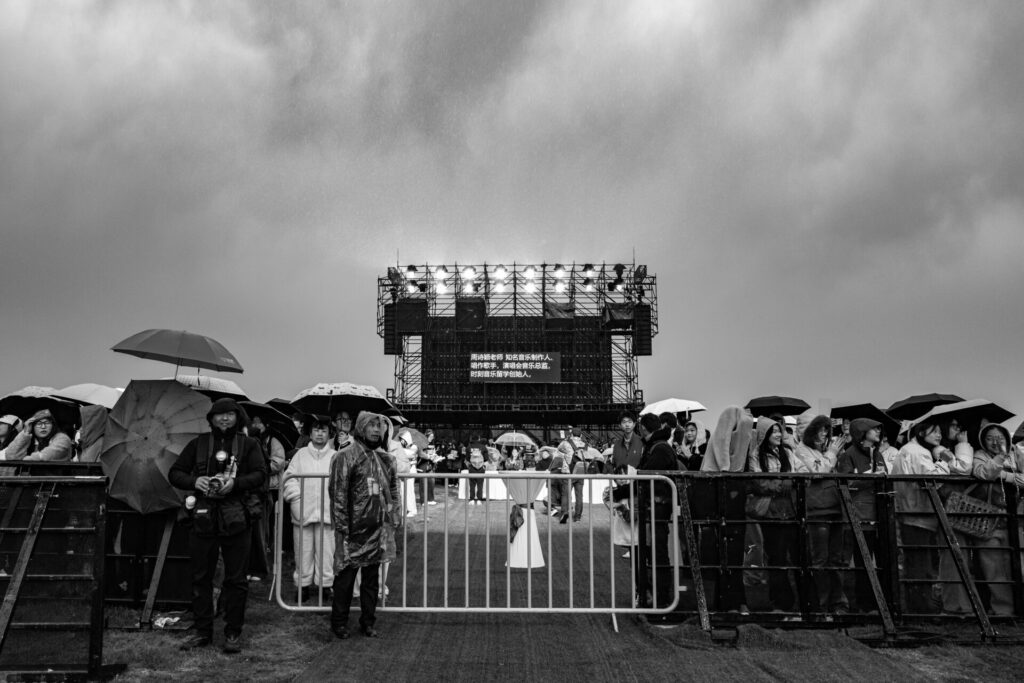
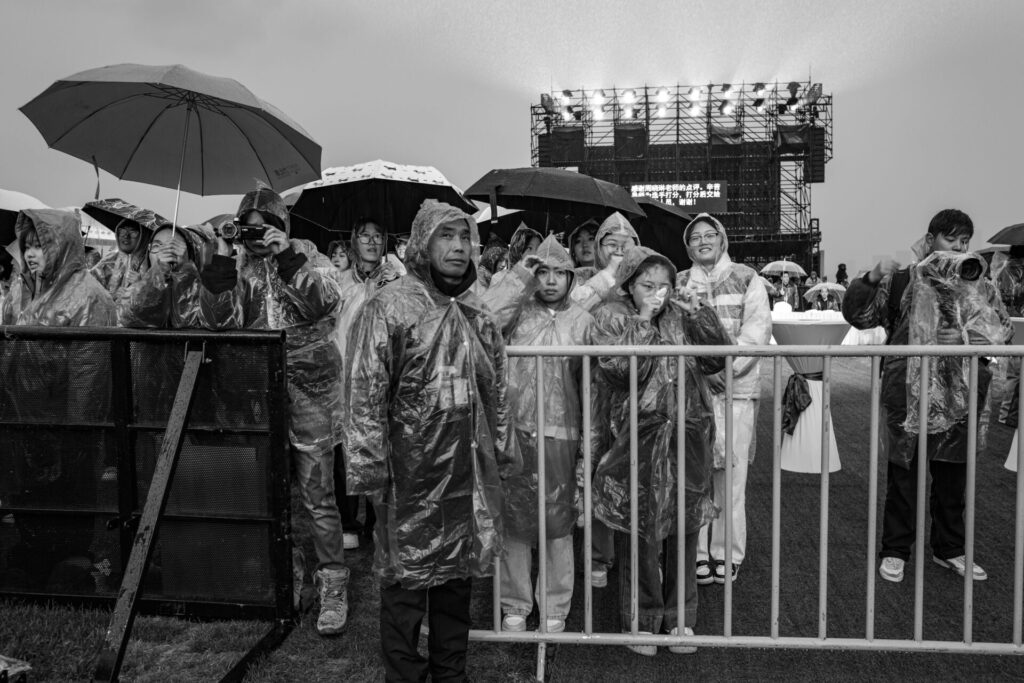
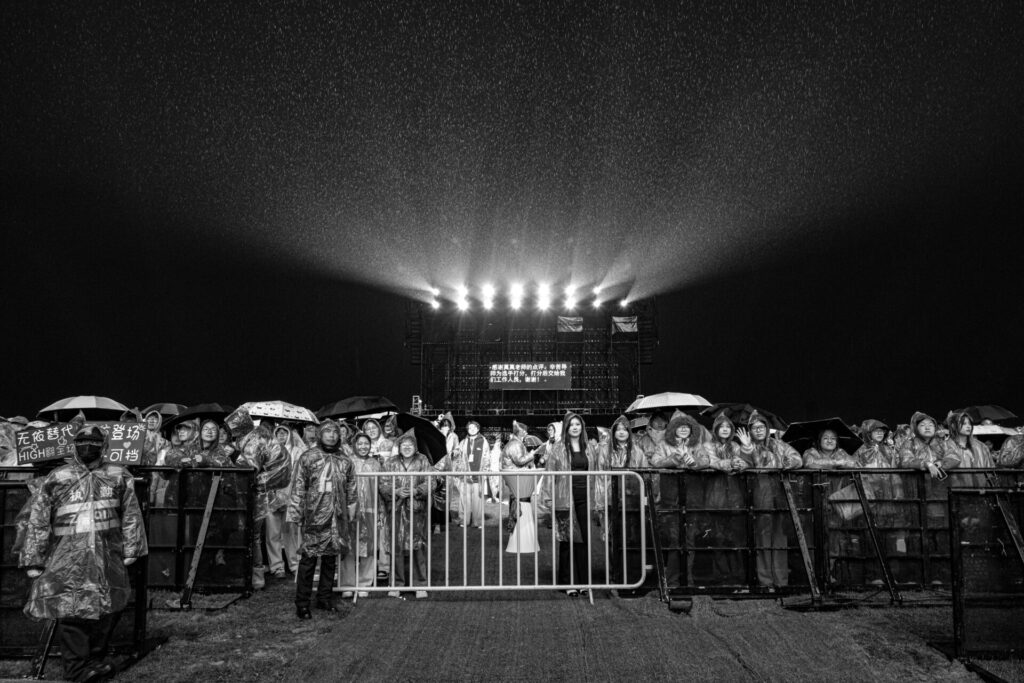
The Q2M performed brilliantly. Its high-ISO capability is unmatched. The downside is the fixed 28mm lens, which made it pretty limiting for shooting performers from the pit. I could only really use it once I was on stage.
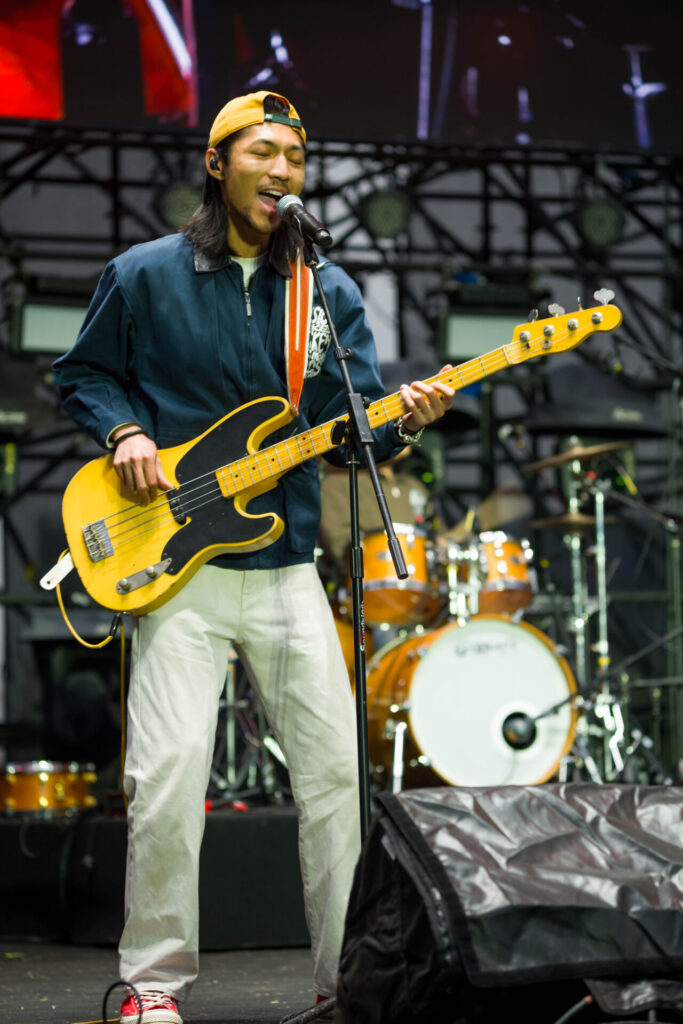
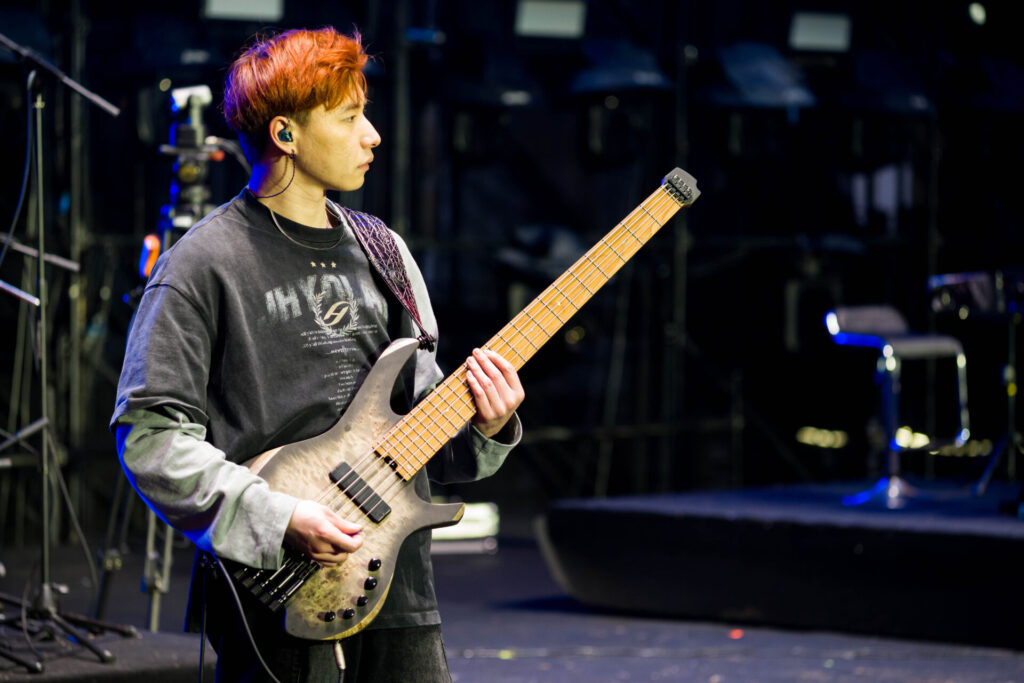

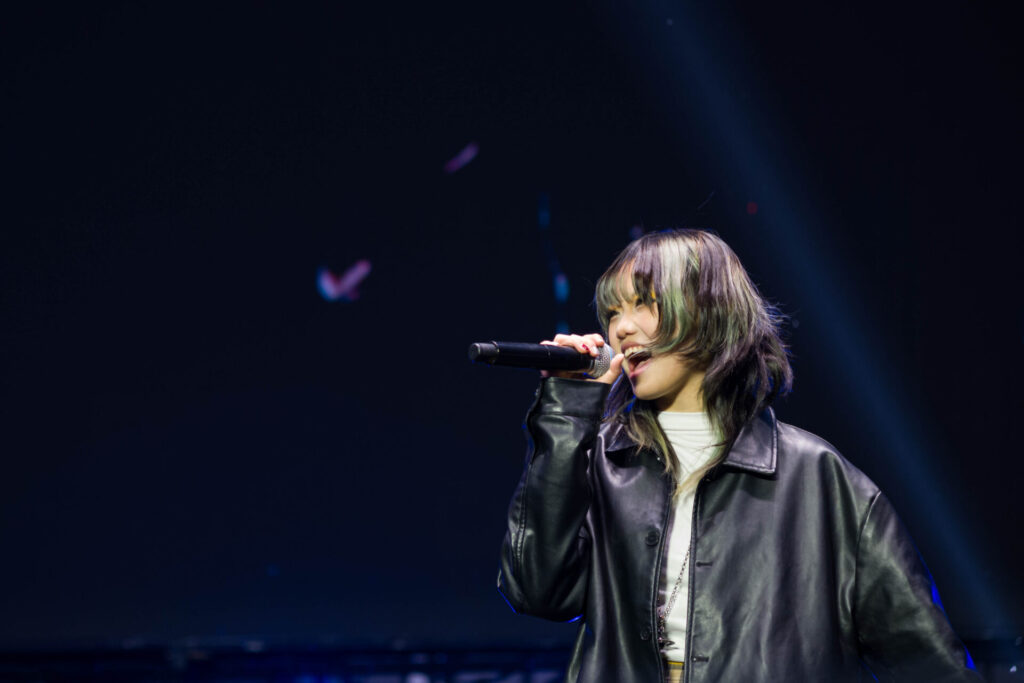
Manual focusing the Leica M for hours was brutal, and honestly, my hit rate was low. Plenty of shots looked fine on the LCD, but once I reviewed them on the computer, they were soft. Around hour four in the pit, exhaustion set in from constant manual focusing.
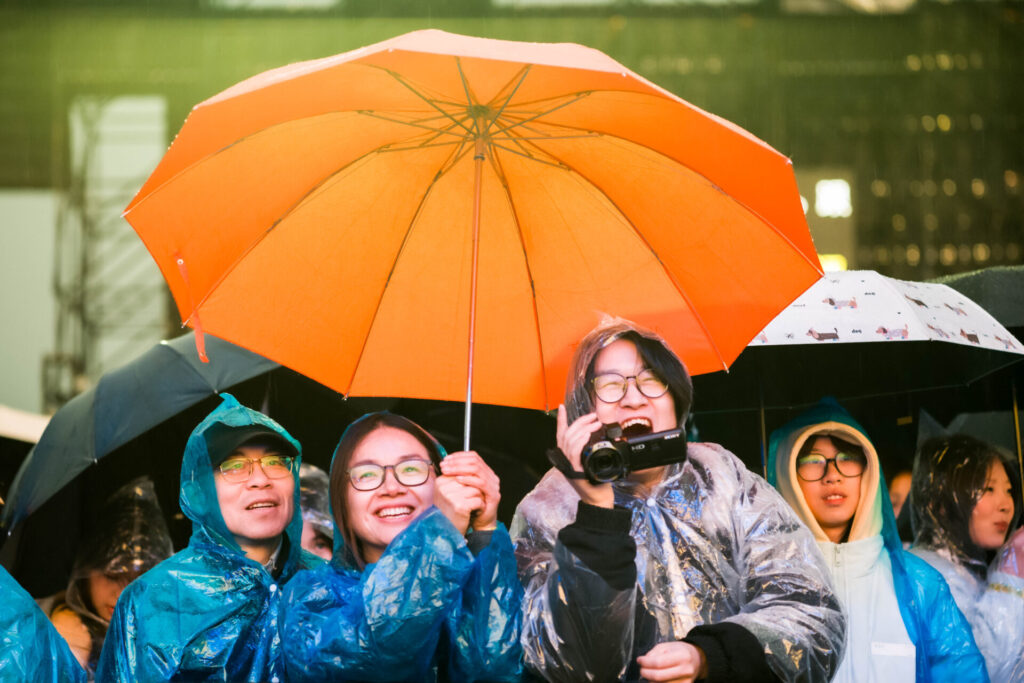
I liked this shot and it seemed fine on the LCD, but on my computer, I can see that I missed focus.
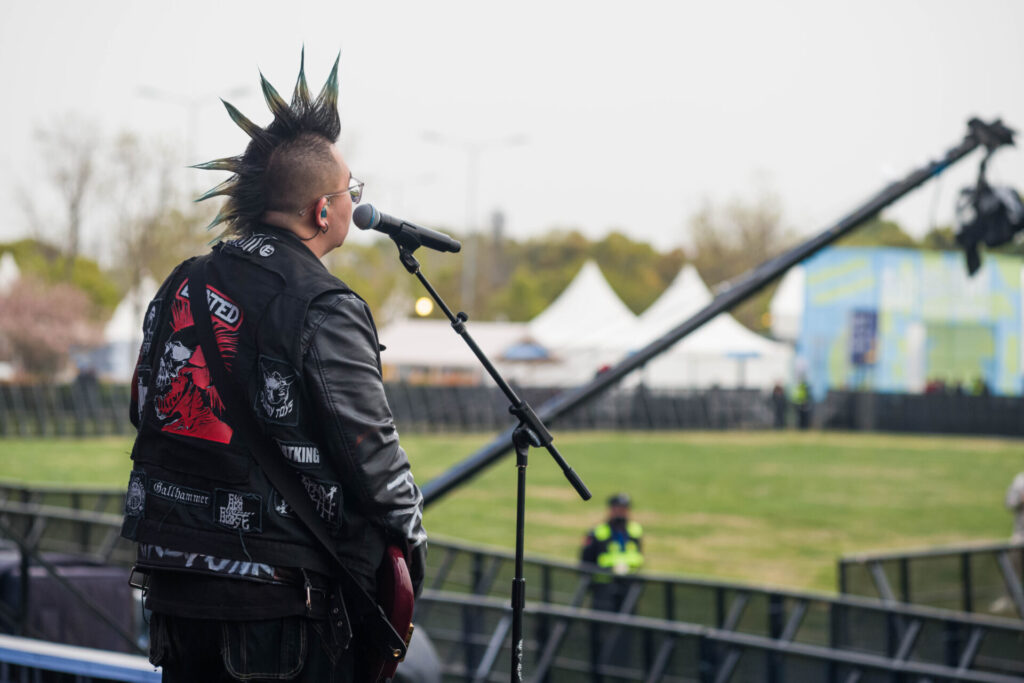
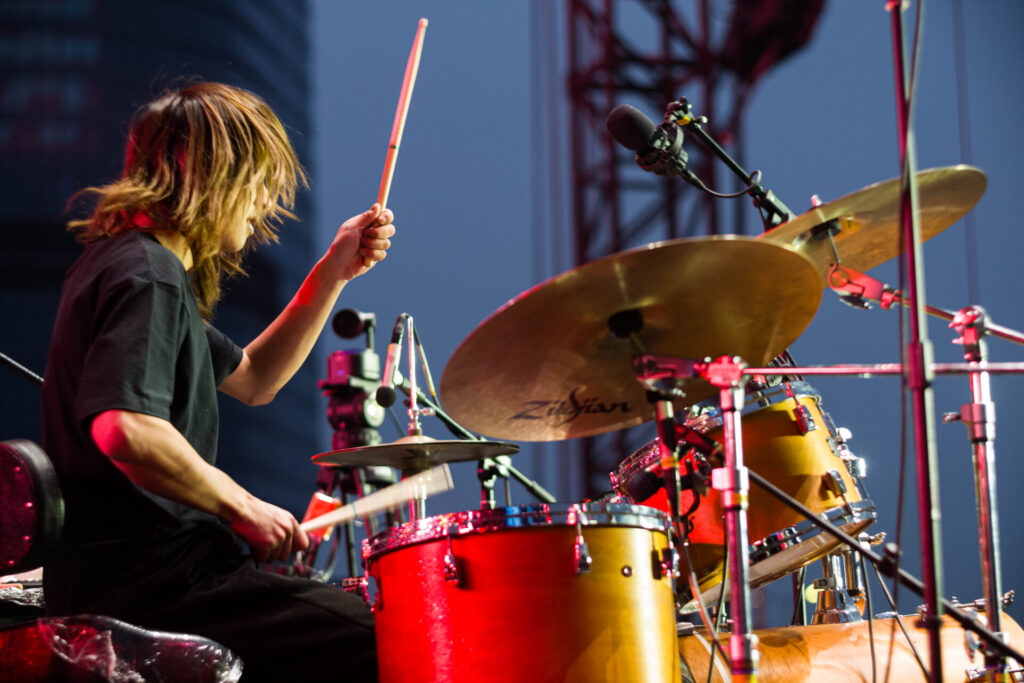
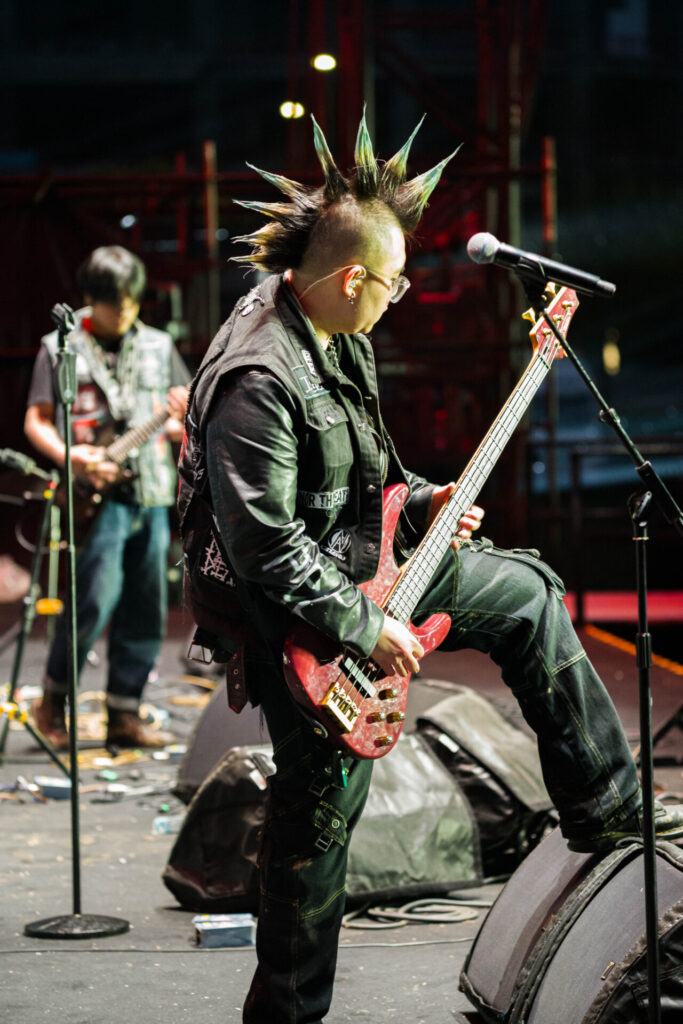
The Tele-Elmar 135mm f/4 was another challenge. In music photography, f/4 is extremely slow, and keeping shutter speeds fast enough wasn’t easy. The M10 isn’t terrible at ISO 6400, but I was constantly balancing shutter speed and noise.
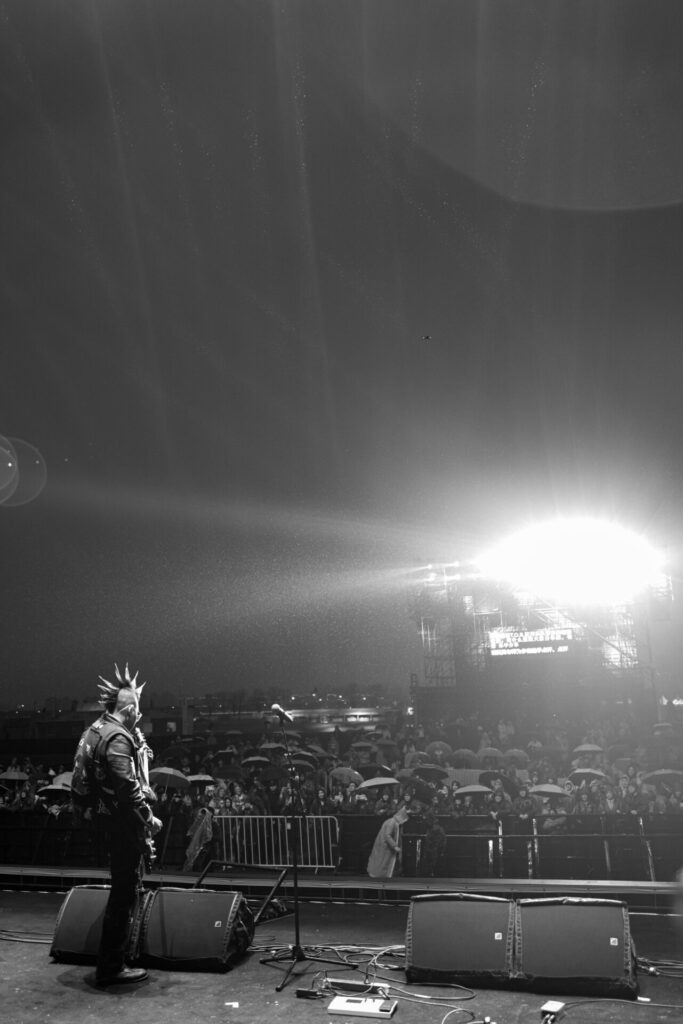
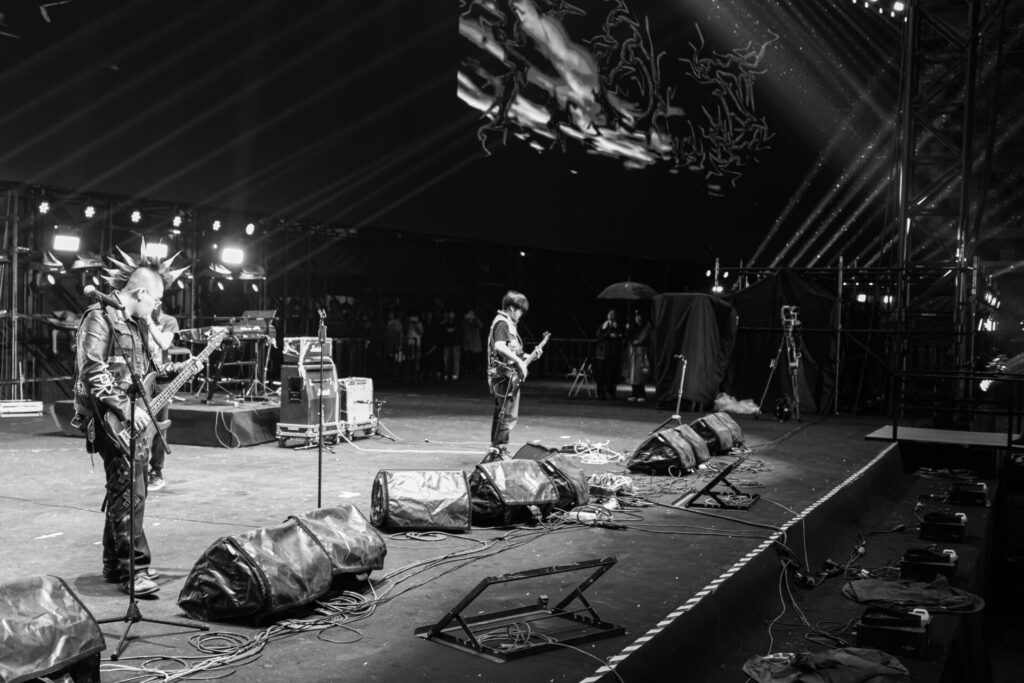
On stage, the Q2 was fantastic. Even cropped, it gave me usable shots.

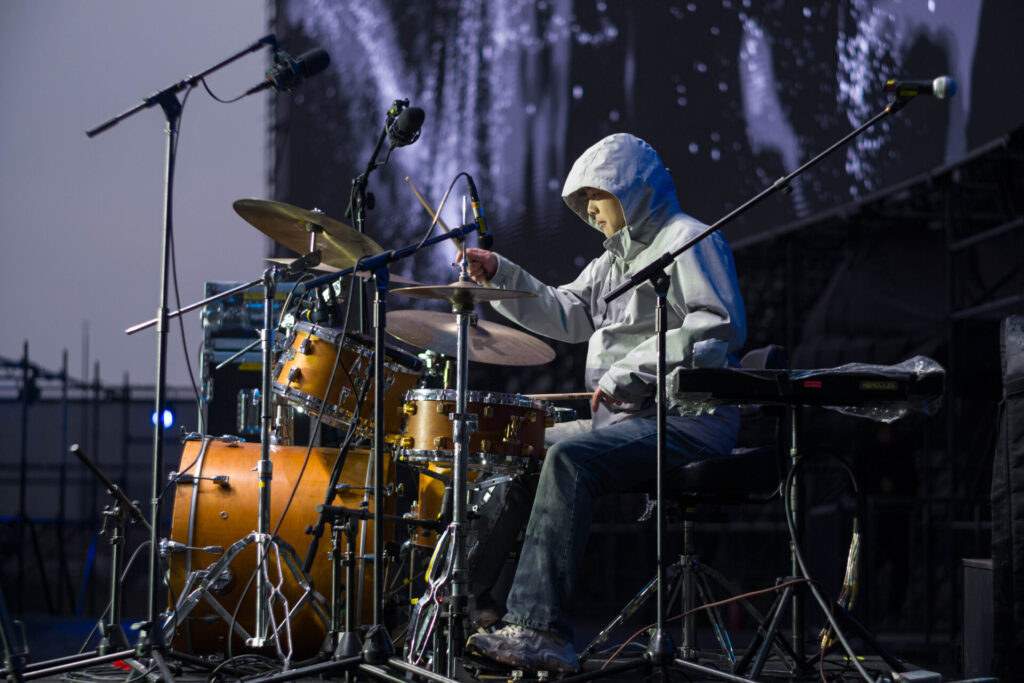
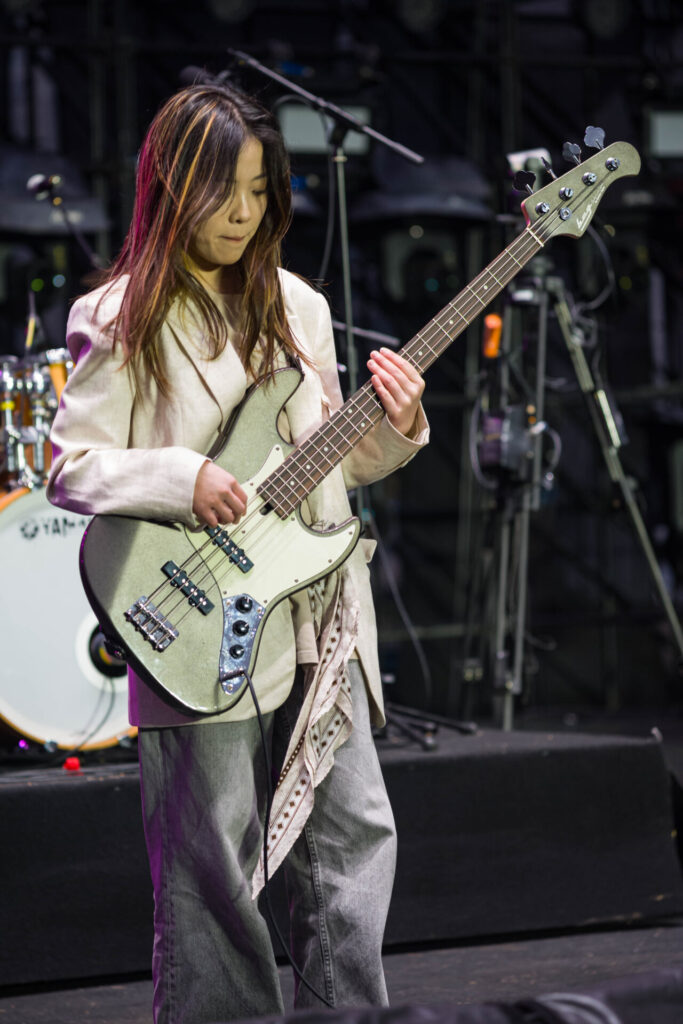
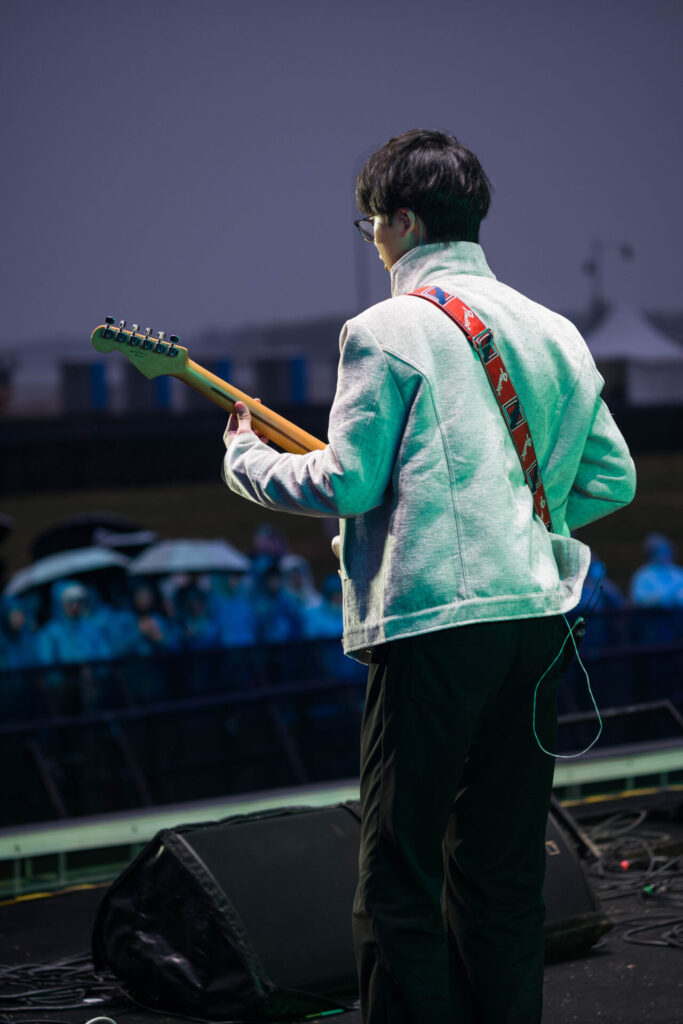
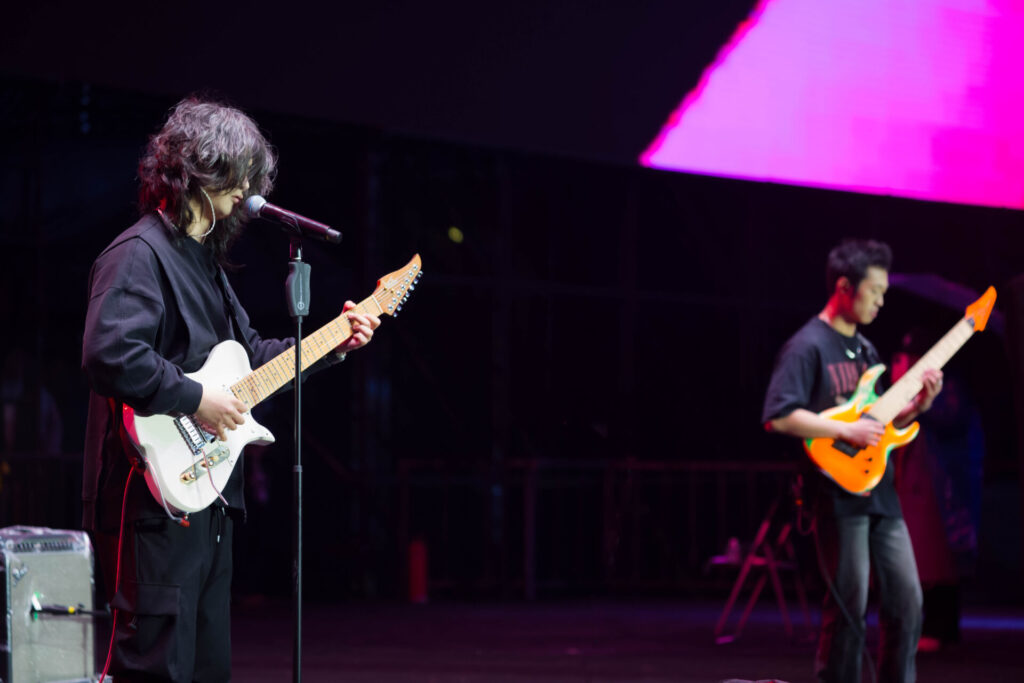
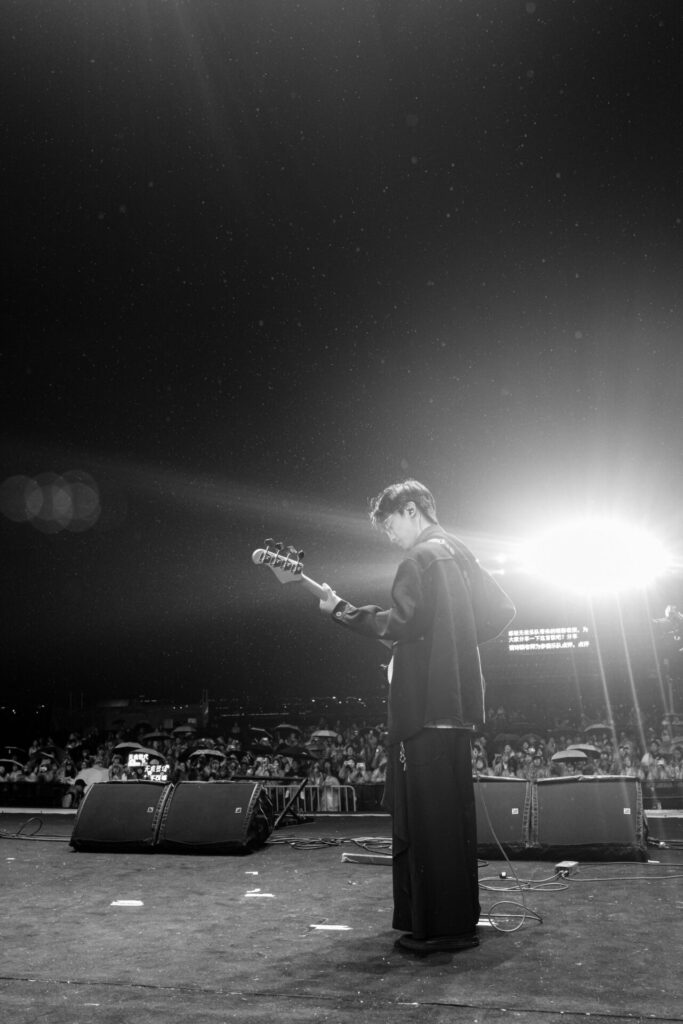
Still a slight crop on this image but I did get closer to the artist by hiding behind some of the amps on stage.
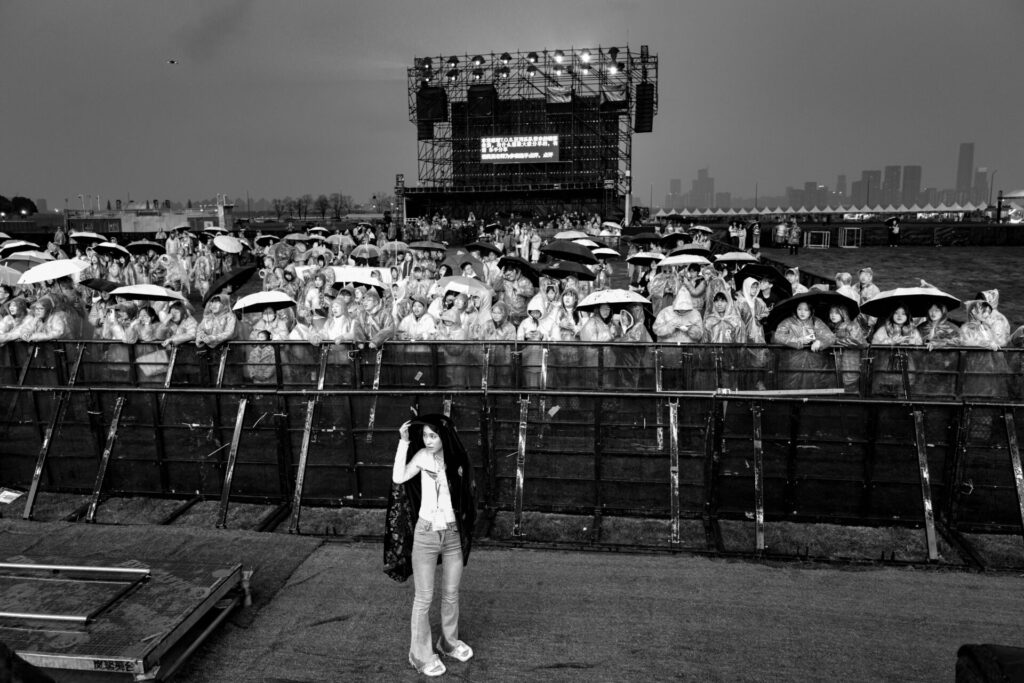
Someone shouldn’t be there. Sneaking into the pit.
Battery life on the M10, however, became the biggest problem of the day. I only had two batteries, and they died before the last few bands even went on. If this had been a paid job, I’d have been completely out of luck. I tried to nurse the batteries, only using the rangefinder, but by that point my hit rate was awful. Manual focusing at 135mm on moving performers is not a recipe for success.
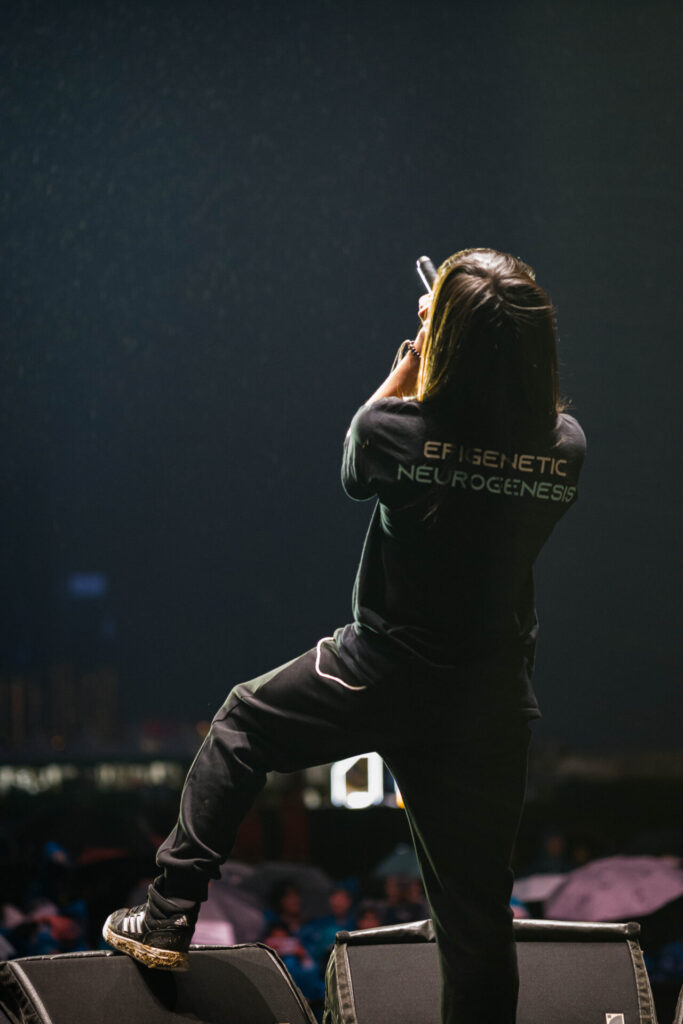
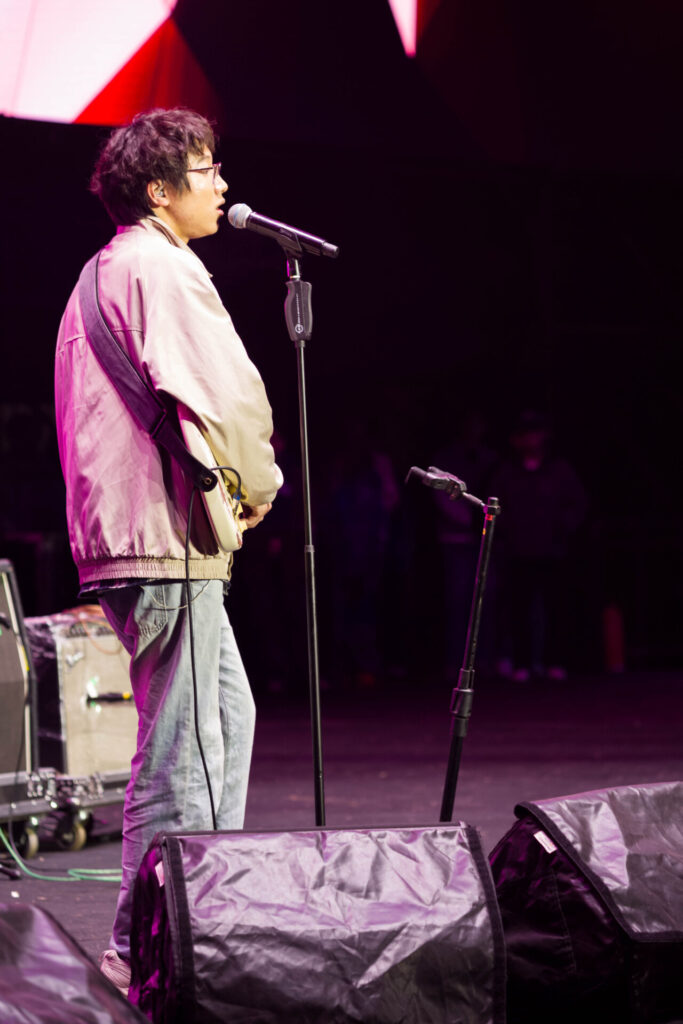
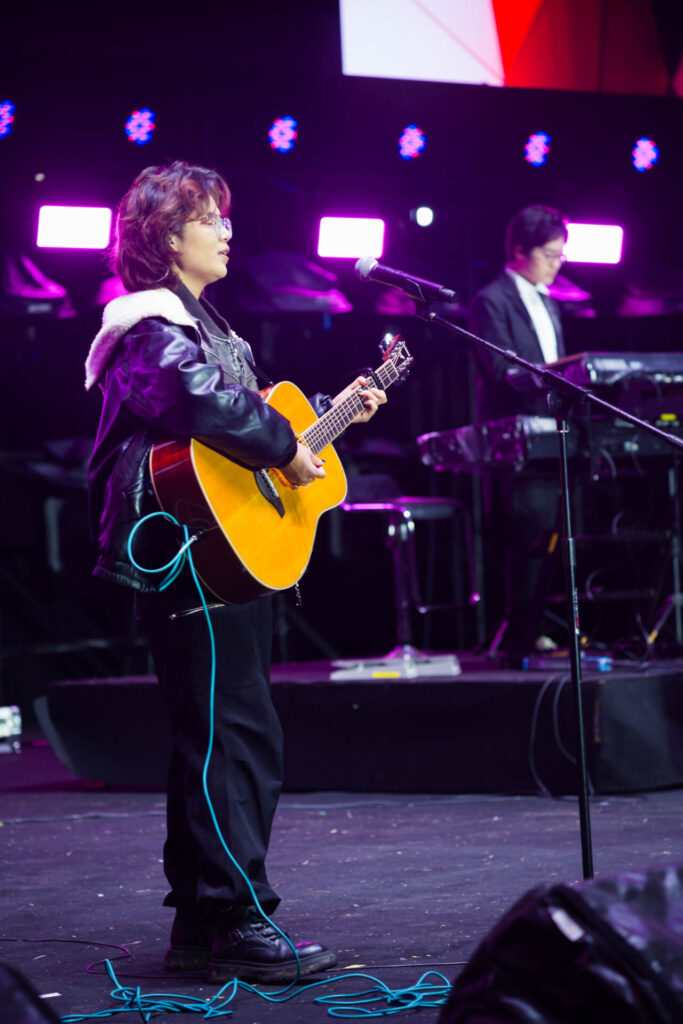
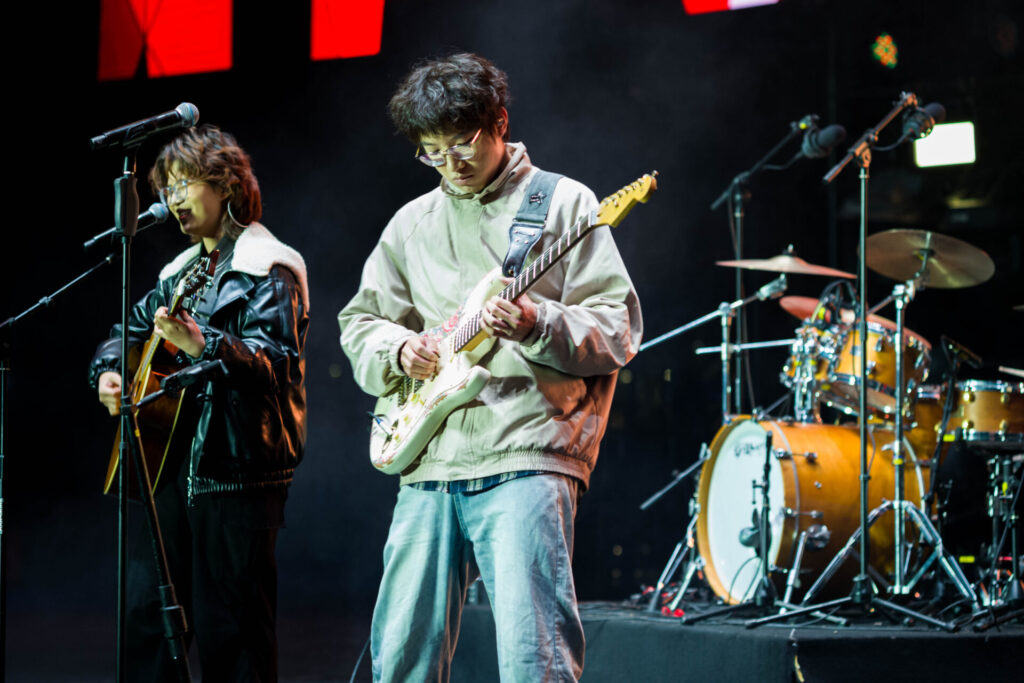
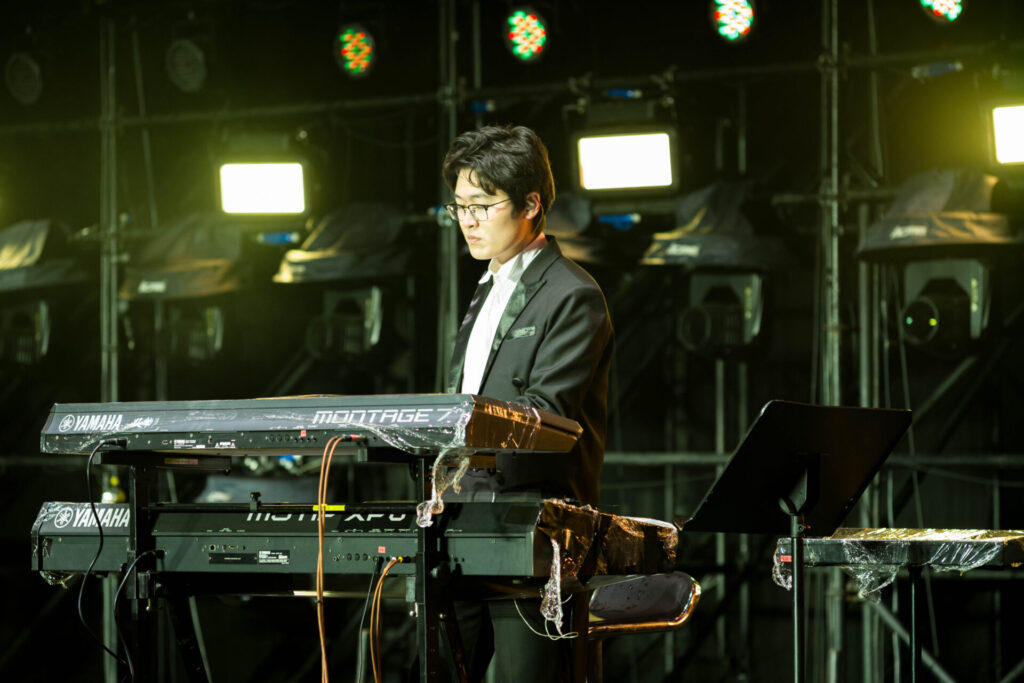

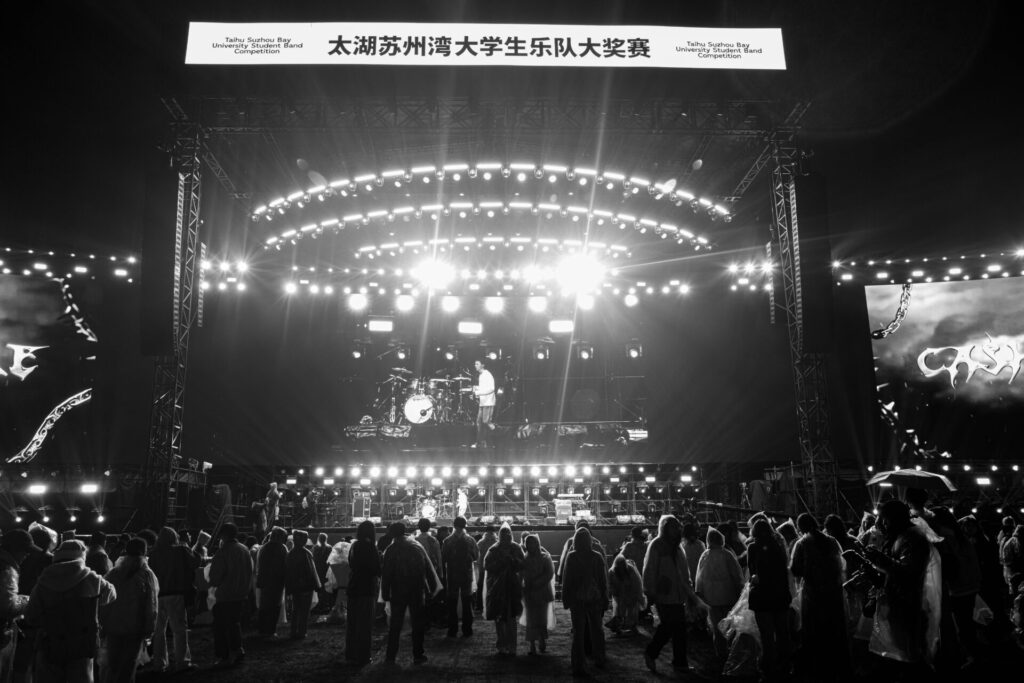

None of the shots are particularly strong. If an assistant had handed me work of this quality, I wouldn’t have been happy. But this was an experiment, and I’ve always wondered what shooting a festival with a Leica would be like. My respect for the old-school shooters who covered multi-day festivals with just a couple of Leicas has gone through the roof. The sheer mental effort of manual focusing nonstop is exhausting. By the end of the day, I was more mentally drained than I’ve been in years—walking back to the hotel like a zombie.
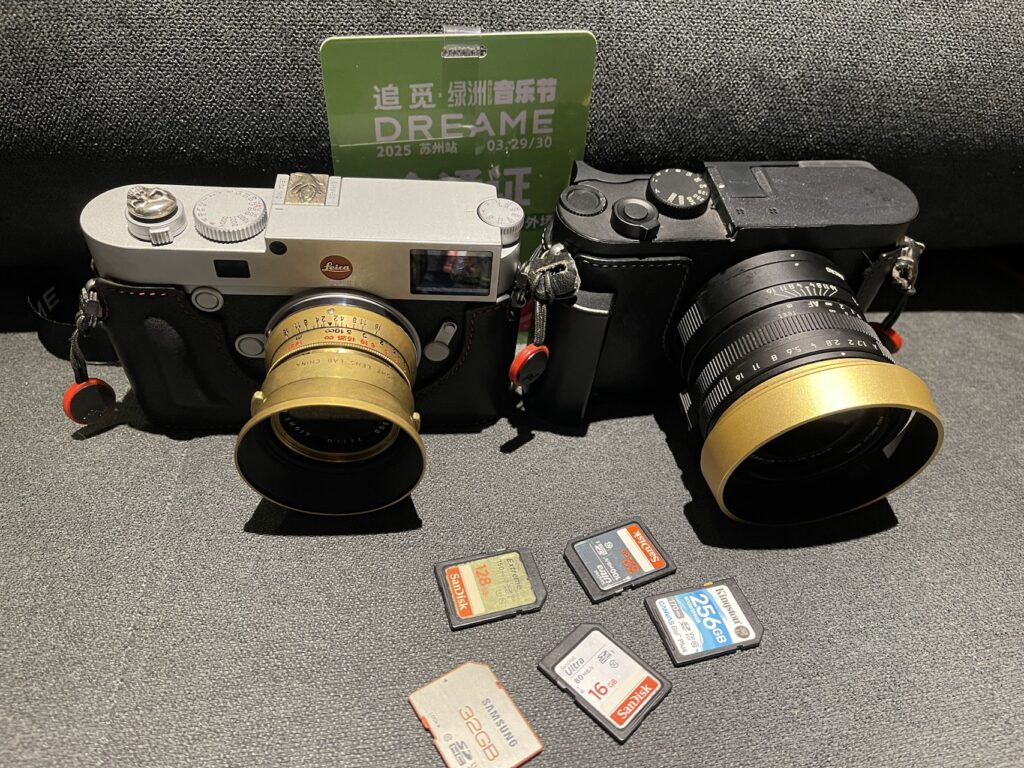
A fun experiment, but never again. The Q2M has its place—it could work well for BTS or on cloudy, overcast days. But the M10 will stay in the hotel from now on.
Shooting with these two expensive cameras in steady rain worried me. Neither is built for that, and most of the Chinese shooters had already wrapped their gear (Sony shooters especially—those cameras are notorious for shutting down in rain). I retired the Leicas and brought the Nikons back out for the official first day of the festival, which was my paid gig.
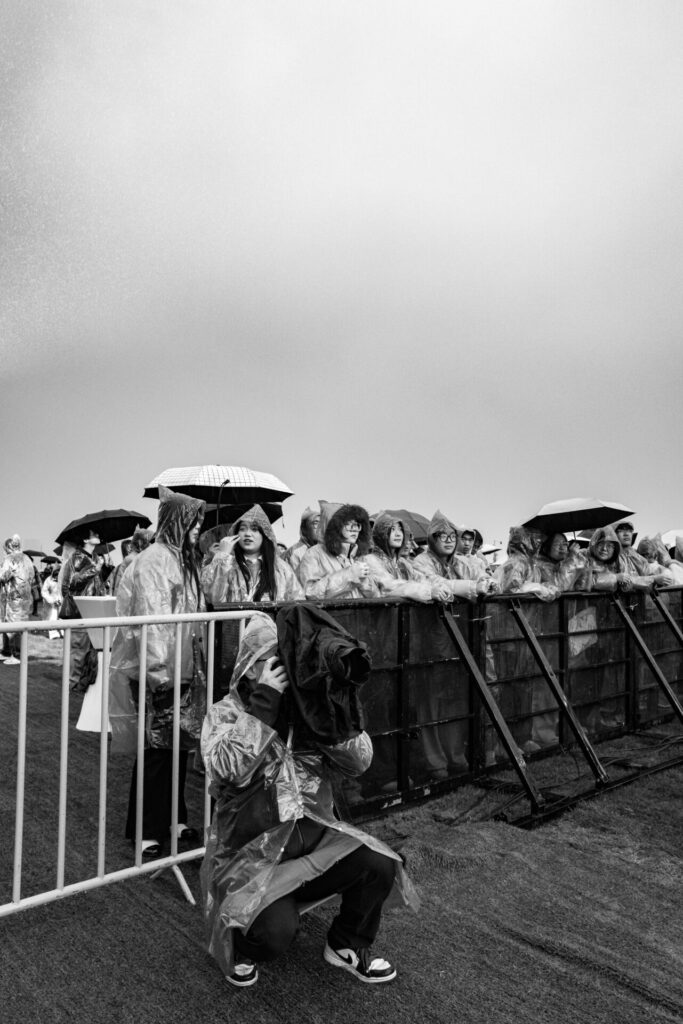
No faith in his Sony’s weather sealing.
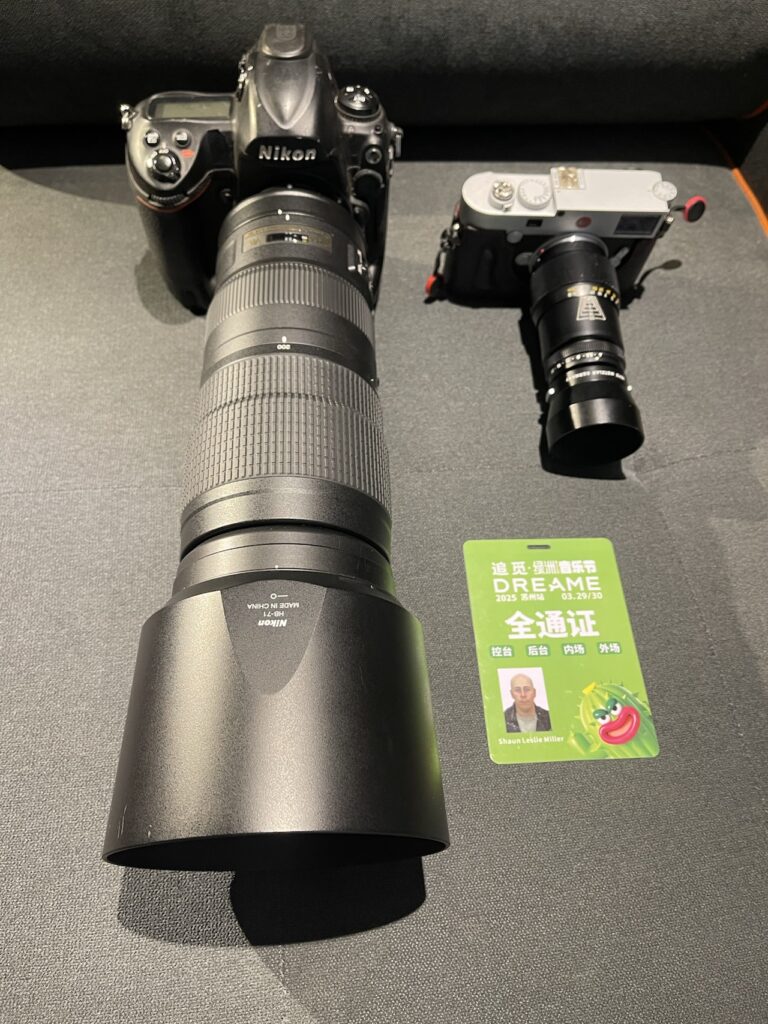
Out with my favorite camera the Leica M10 and in with the beast. My most reliable camera of all time.
Official Day 1
Day 1 turned out to be pretty strong, with a lot of good Chinese rock bands opening the show.


Toward the evening, a few pop acts came on stage. I’m not the biggest fan of Chinese pop, but it’s hugely popular—especially with the female crowds.


The show closed with one of the most famous pop bands in China: The Chopstick Brothers.


What struck me as odd during their set was the guitarist. He looked completely out of place, shredding away through sugary pop songs. I’ve never seen such a mismatch of styles on stage—it almost felt like he lost a bet and was forced onto stage with them.


Still, it was fun to shoot. I did a lot of BTS work for the organizers, which added to the exhaustion, but the festival vibe carried me through.


Day 2 leaned heavily into rock, which made for a much better day of shooting.


One band, though, made things almost impossible. They played their entire set in near darkness. For one of the few times in my career, I broke the pit rule of “no flash.” I set my flash to 1/8 power and used it only as a faint fill. The pit was so wide the flash barely added anything, but at least it gave me a tiny bit of usable light.


Thankfully, their set wasn’t long, and normal stage lighting returned. Next up was one of China’s biggest rock stars, 许巍. A nightmare to shoot—not because of his performance, but because his band is massive: three drummers and a stage packed with musicians. Every angle was cluttered, and his management kept photographers tightly restricted. Getting a clean shot of him was a challenge.


Overall, it was a solid festival, and I enjoyed myself. Shooting a smaller two-day show was refreshing. Normally, festivals run two or three days with multiple stages, meaning zero downtime. Here, with just one stage, I actually had 15–20 minutes off between sets—unless I had to cover BTS.
I look forward to working with this company again in the future.
Shaun.