
Oasis Music Festival Anji 2025
Shooting music festivals in China during August—or more importantly, during the summer school and university holidays—is rarely fun or easy. Temperatures often exceed 40°C (104°F), and spending all day standing in direct sunlight with heavy camera gear feels like absolute torture.
This particular festival took place in Anji, a small city in Zhejiang province that proved surprisingly tricky to reach. Getting there required multiple train changes and a full day of travel—unusual for China, where high-speed trains usually connect most destinations quickly. Smaller towns like Anji remain the exception, often demanding more time and effort to access.
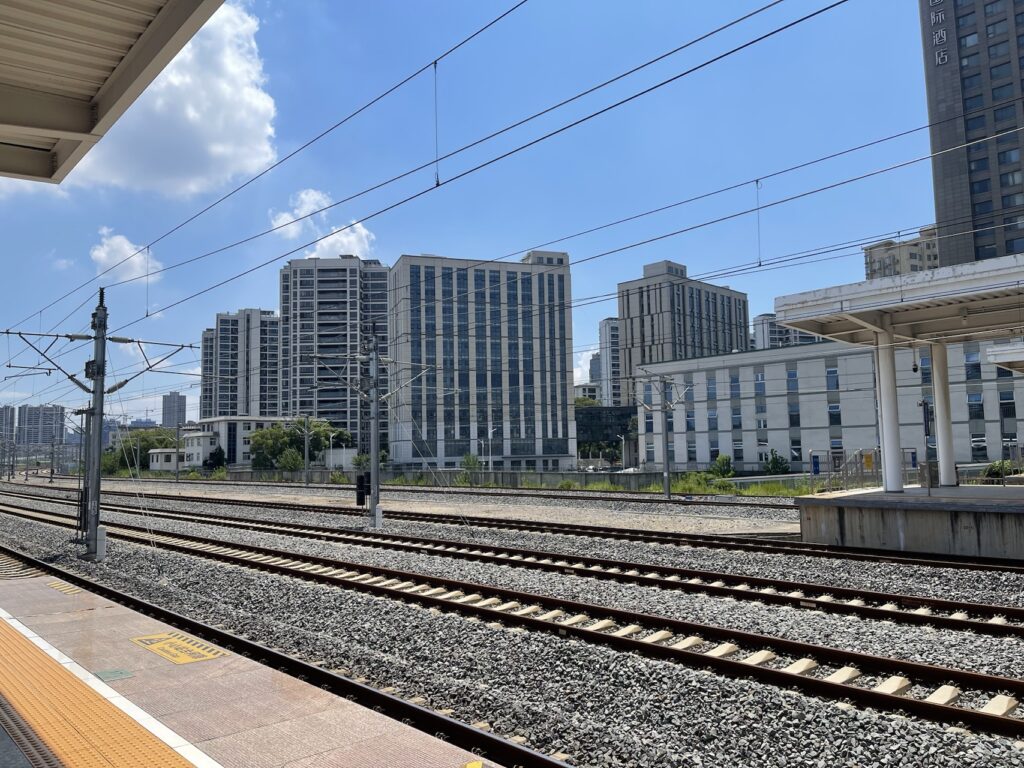
All trips start at a train station in China
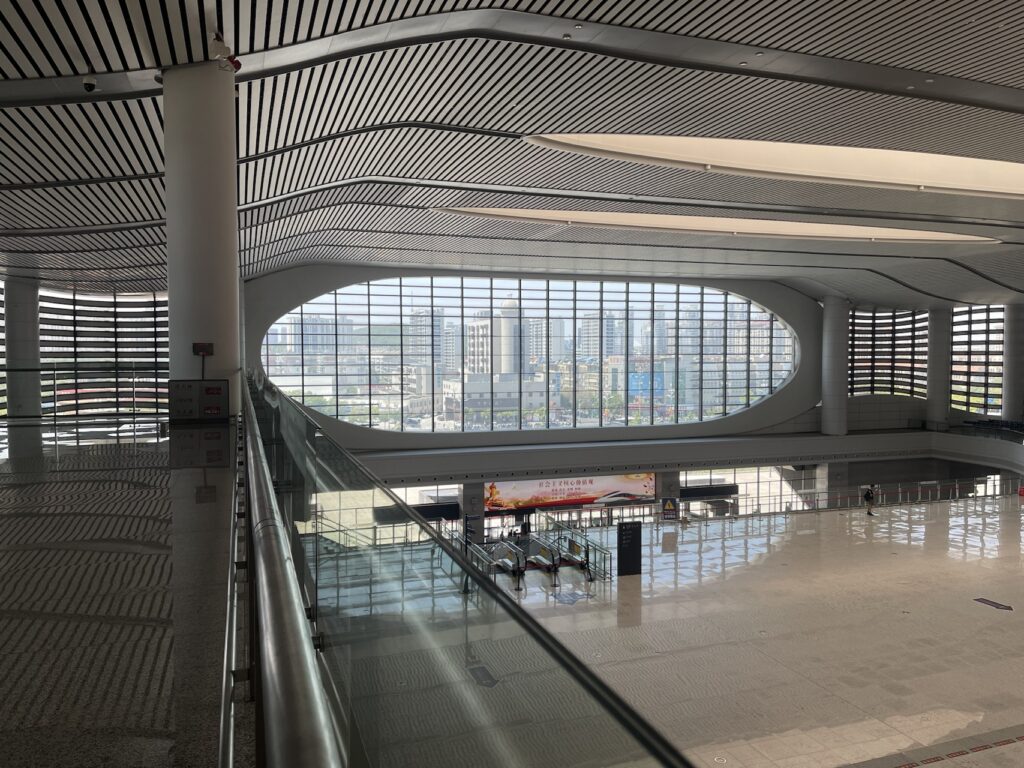
Inside the train station at Wuhu. Most modern train stations in China has such interesting architecture. I regret not bringing my Leica Q2 Monochrome as this shot would have been awesome in black and white.
Following my usual protocol, I arrived early to pick up my press pass, scout the festival grounds, and—most importantly—let the local police and security get accustomed to seeing a foreigner with cameras. In China, this simple step helps avoid hassles once the crowds arrive and the show kicks off.
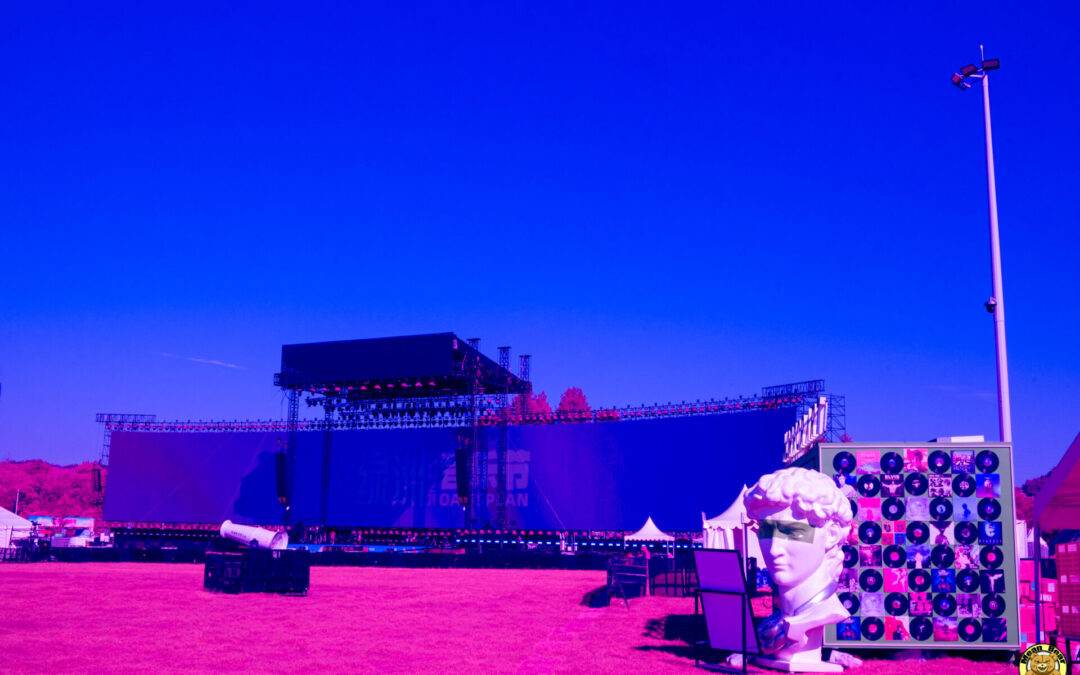
Arriving at 7 a.m., though, left me with hours to kill before the first act at 2 p.m. This time, I decided to experiment: I left my film cameras behind and brought an infrared (IR) camera instead. I was curious to see how infrared would capture the energy of a music festival—the crowds, the stage, the summer haze—in that surreal, otherworldly way IR photography is known for.
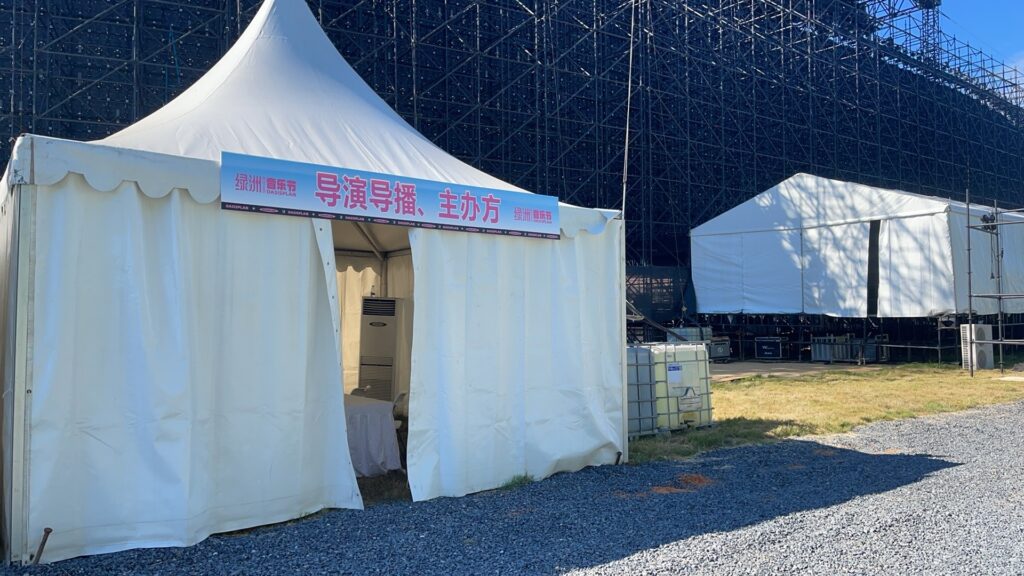
For once, there was actually a media tent which included a very important piece of equipment — The air conditioner. With 40C temperatures outside, having a small little room to dump your memory cards before the next set on stage, was a pure god send.
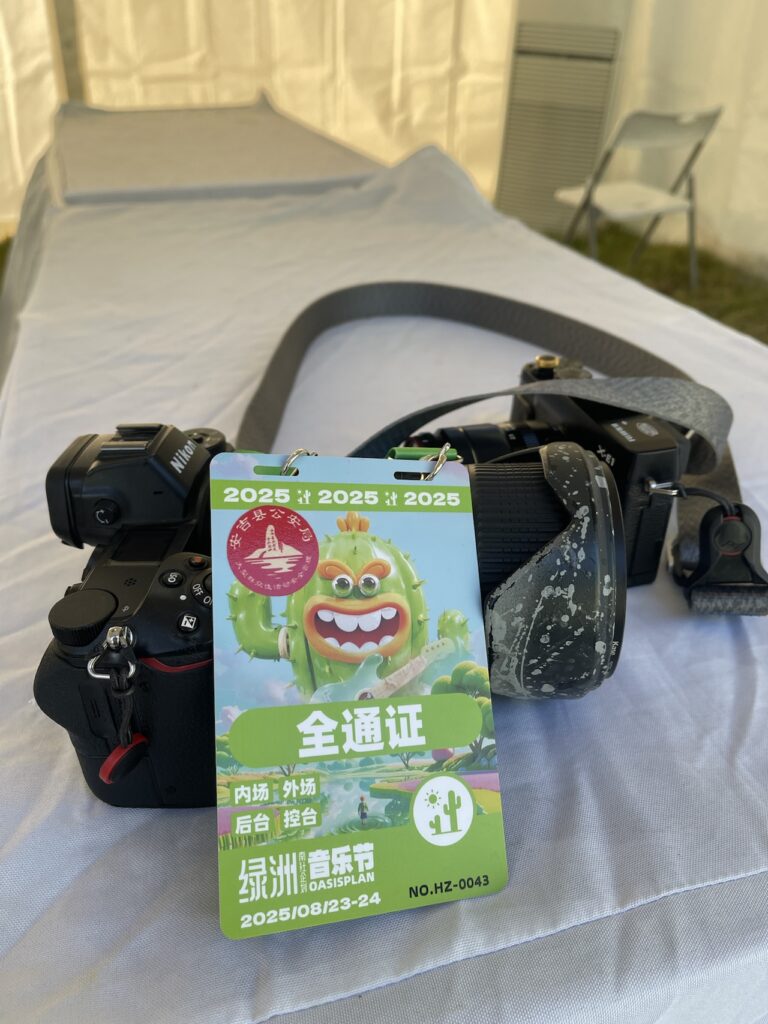
Getting ready for my first walk around the festival grounds with a infrared camera and a Nikon Z6, to take some normal pre-show shots. I hate the Nikon Z6 for shooting in the pit, but as a BTS camera, it works fine.
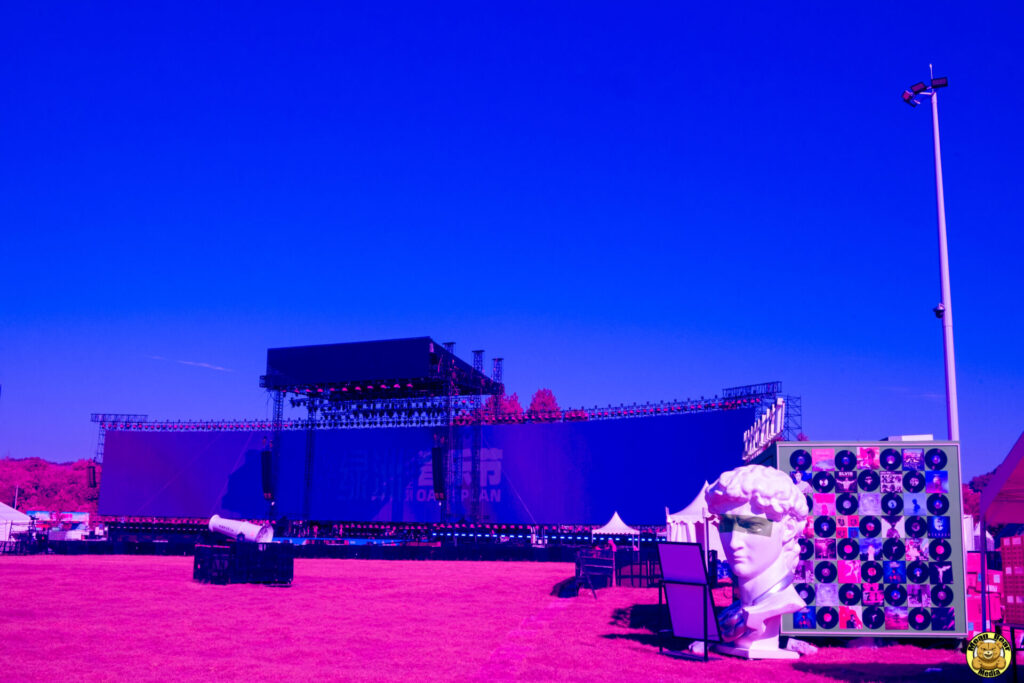
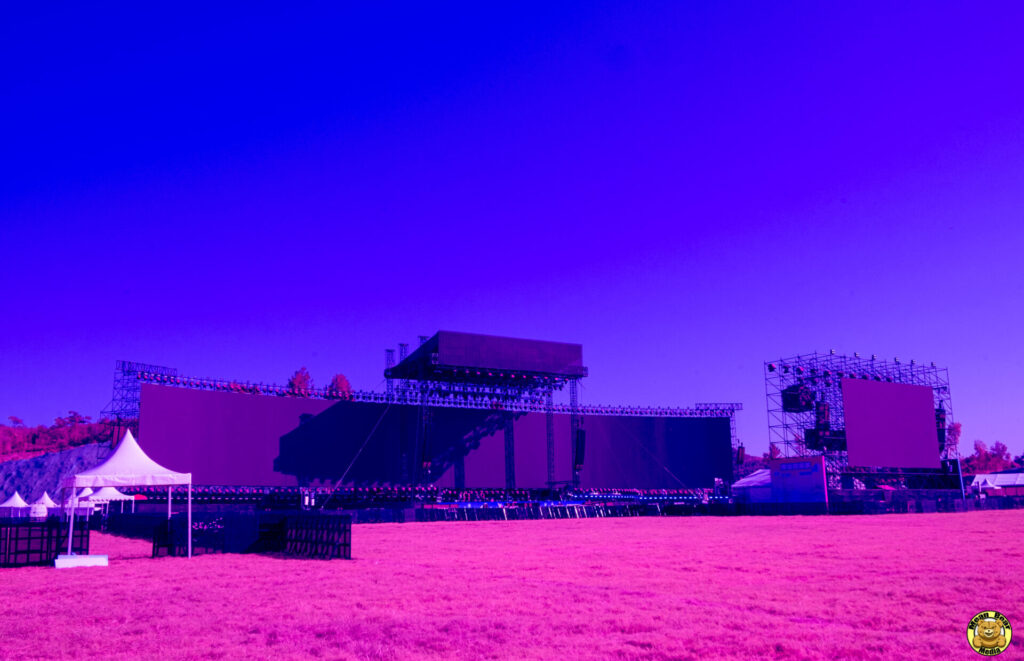
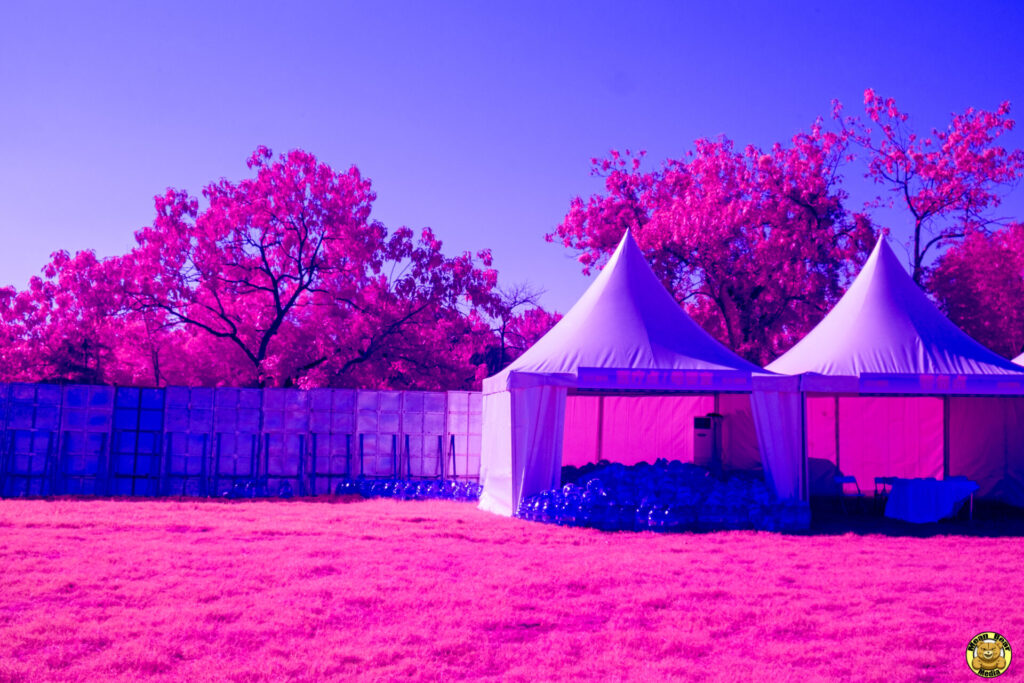
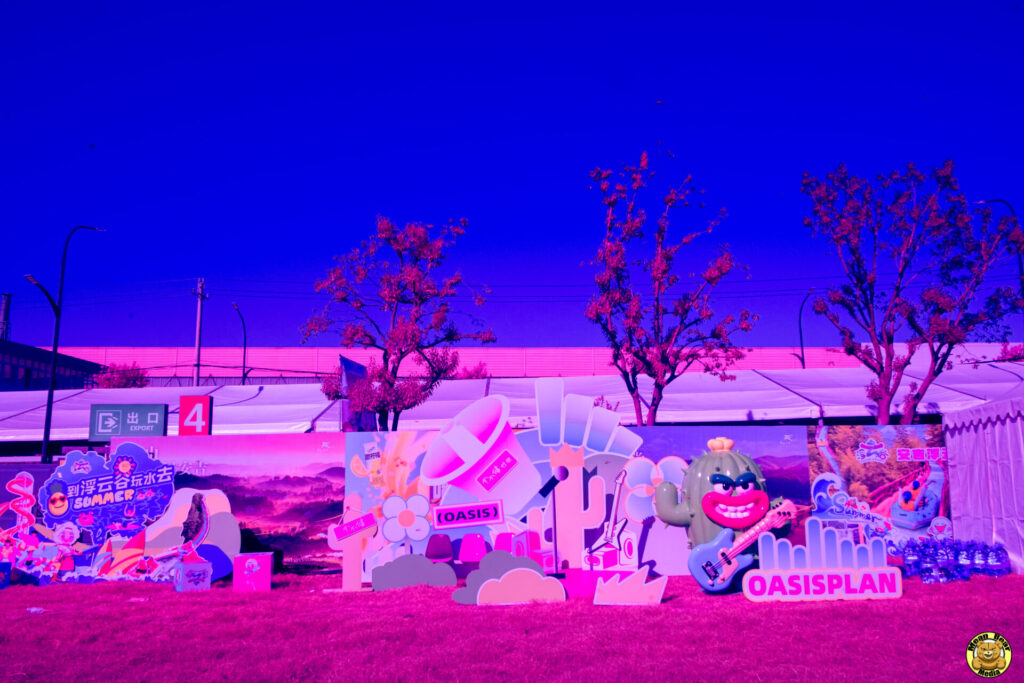
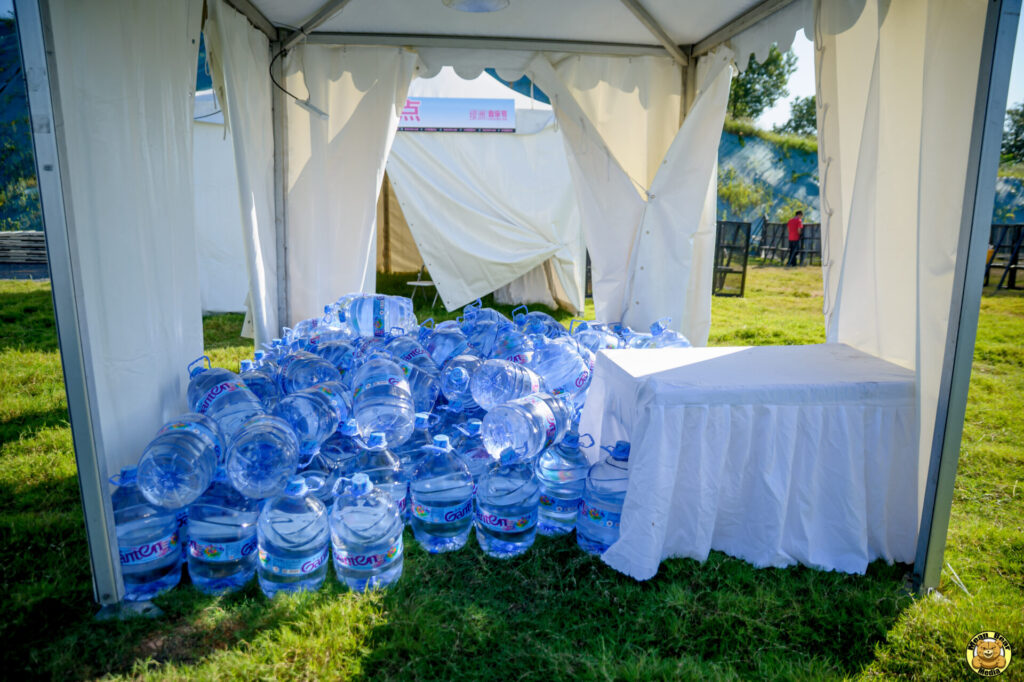
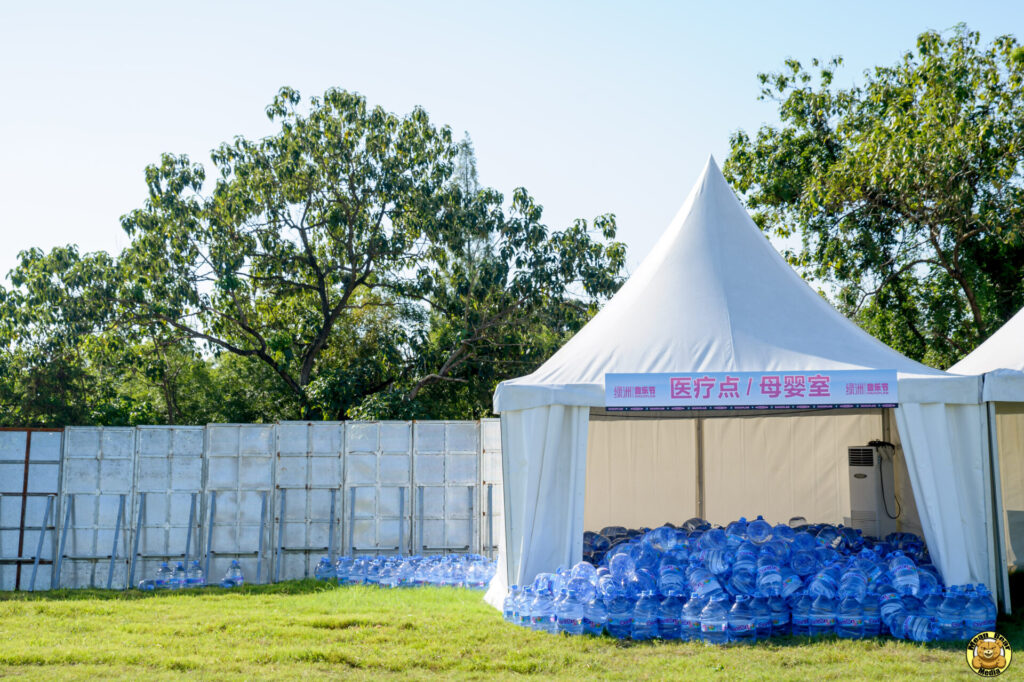
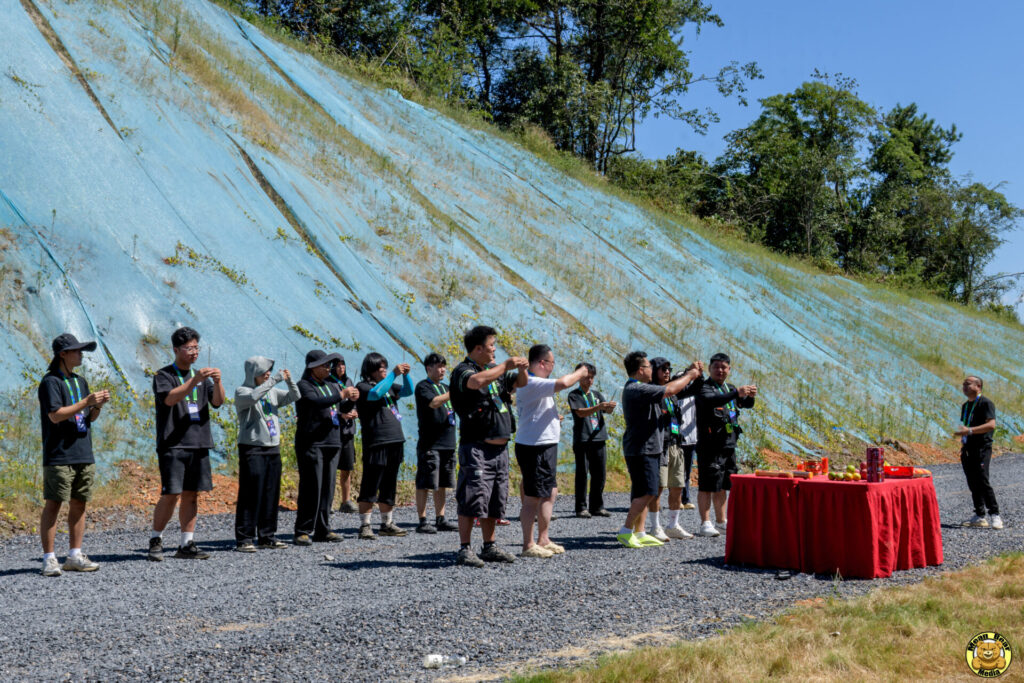
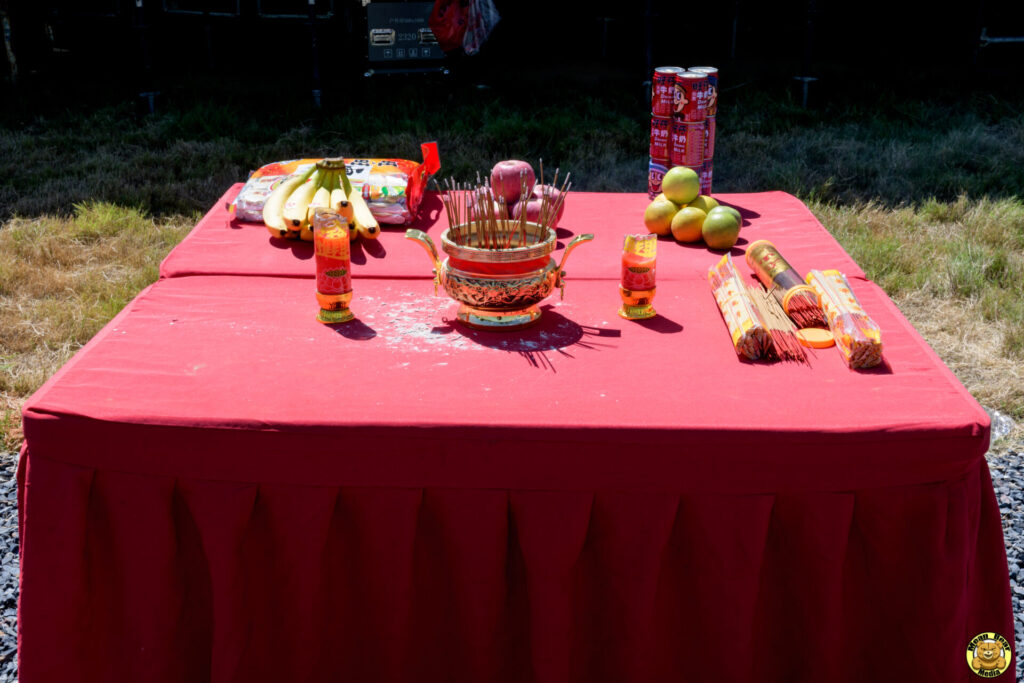
The infrared shots didn’t turn out as I’d hoped when I started editing them that morning—the surreal glow and color shifts felt off for the festival vibe. Still, I’m glad I experimented; pushing boundaries is part of the fun, even when the results aren’t keepers.
This whole event in Anji became a string of experiments. Beyond the IR camera, I decided to handle all editing on my iPad using Lightroom CC (now Lightroom mobile). It was a bit risky since I had daily delivery deadlines, but file management has always been one of my biggest headaches as a music photographer.
Dumping files from cards, importing them into a catalog, and organizing everything can eat up hours—especially if you wait until the end of the night. There’s nothing worse than sitting there while files copy over, with a festival media manager or band rep breathing down your neck for selects. You’re stuck waiting; nothing else can happen until the transfer finishes.
To cut that lag, I streamlined the workflow: on-site culling, basic edits, and delivery straight from the iPad, connected via a USB-C hub to an external SSD. It shaved off precious time and let me stay ahead of the pressure.
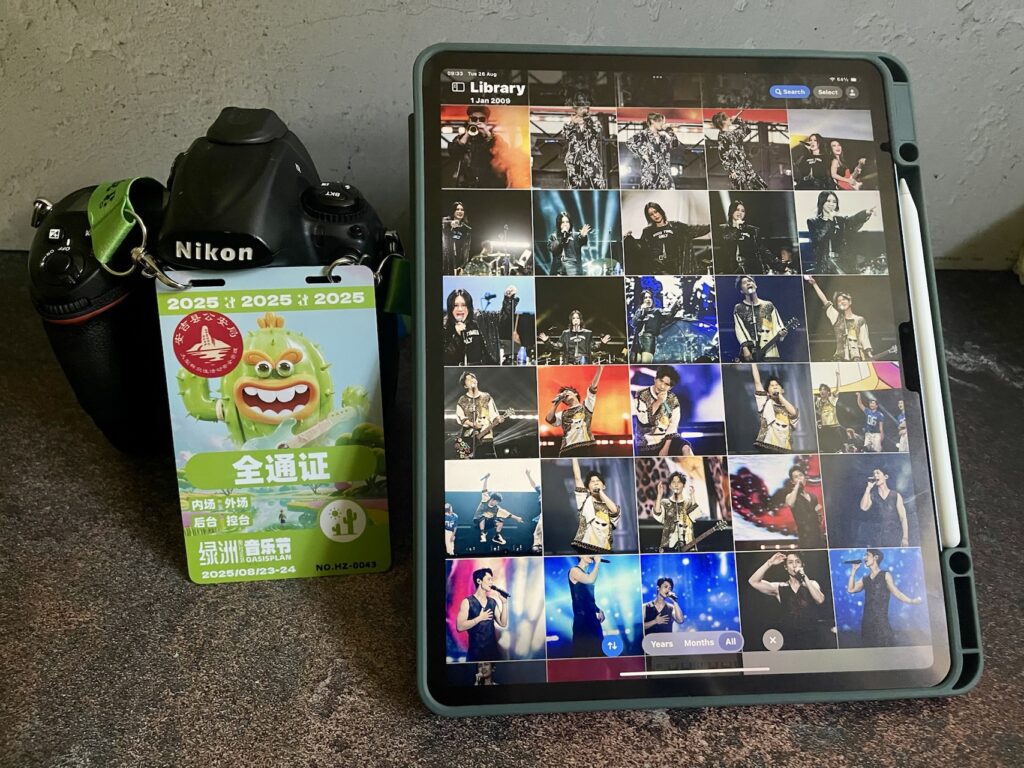
This was my first real test of a fully iPad-based workflow at a festival. I’d tried similar setups with a laptop before, but most computers drain their battery by day’s end—and festivals rarely offer power outlets backstage for anyone but the stage crew and their gear. Plugging into the wrong socket is a fast track to losing your credential and getting blacklisted from future events. The iPad’s exceptional battery life made it the perfect alternative.
I prepped everything at home: tested the full chain (USB-C hub + SSD), copied sample memory cards to the drive, and imported files into Lightroom CC (mobile) for quick test edits. When I deployed it at Anji, the system performed brilliantly.
With only about 15 minutes between most band sets, downtime was minimal. I’d dash to my camera bag, offload cards to the iPad via the hub (Lightroom mobile imports directly from the iPad’s storage), cull and apply rough edits fast, AirDrop selects to my iPhone, and sprint back to the photo pit for the next act. During any lull onstage—like when a band was chatting with the crowd—I could fire off files from my phone to festival media managers or band reps, keeping deadlines met and everyone satisfied.
This iPad workflow saved me a ton of time overall, but one thing I still refuse to do is shoot straight to the cloud. Many local Chinese photographers rig a phone to their camera via a bracket, shoot JPEGs, and let an app auto-upload to the cloud—giving festival managers instant access. It works for them, but I run multiple large pro cameras (no small mirrorless setups here). Slapping a phone bracket on each one would add too much bulk and hassle, so I stick to my own method and deliver files manually.
That choice gets me plenty of push-back from organizers—they want instant access—but I’m not budging. Quality RAW files and control over the process matter more to me than convenience.
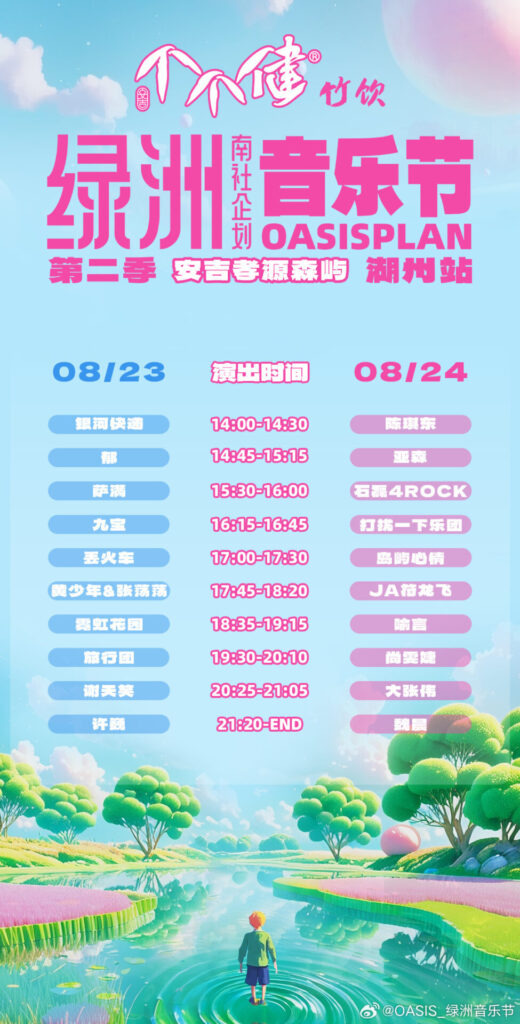
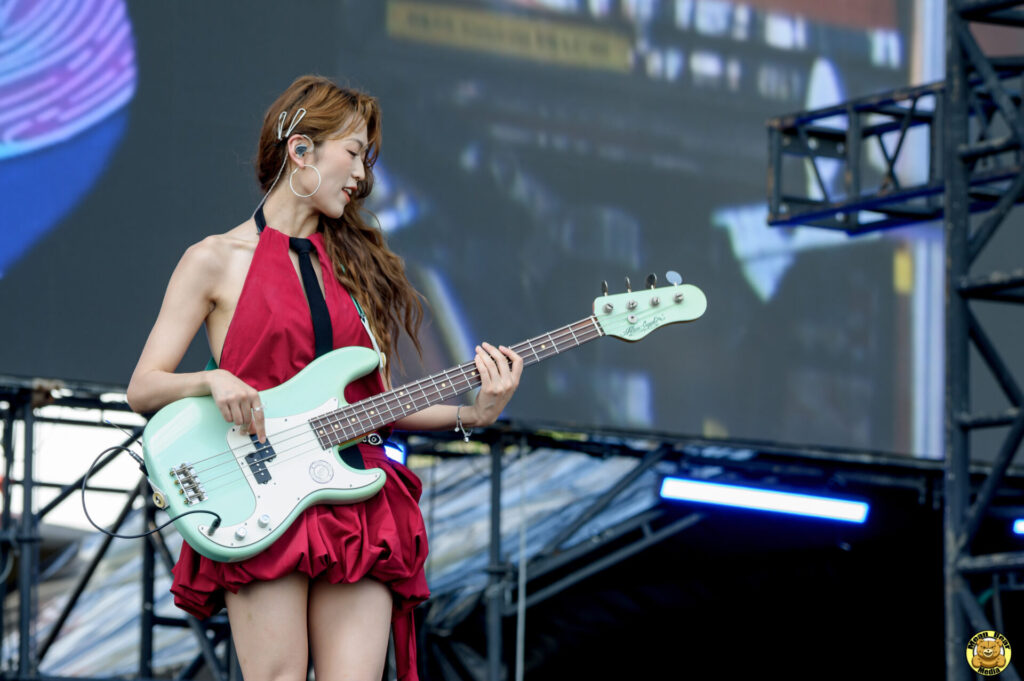
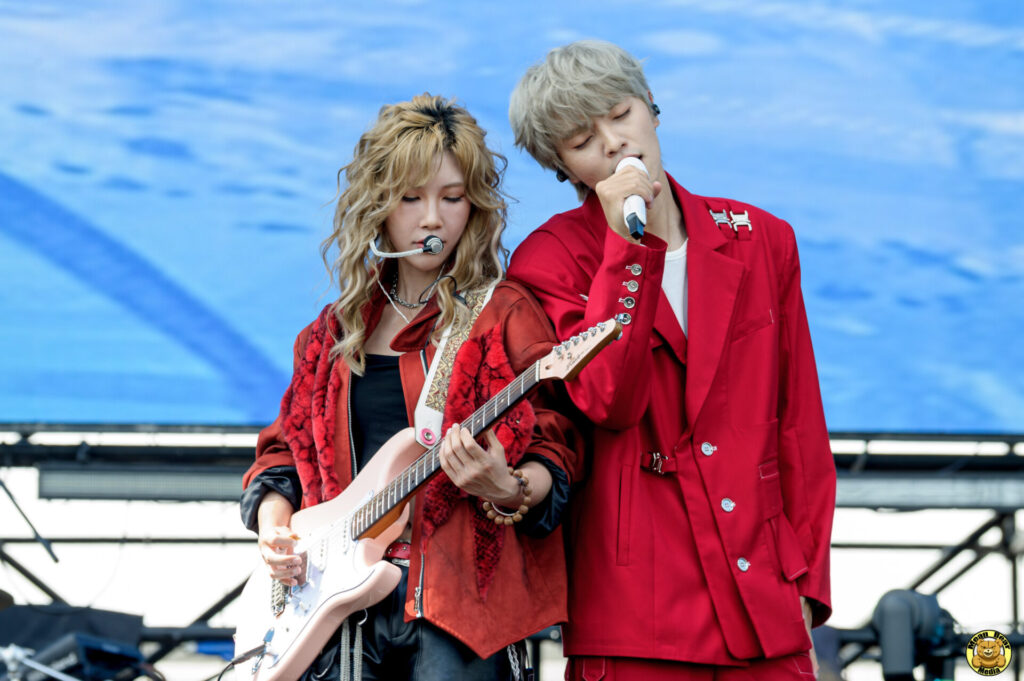
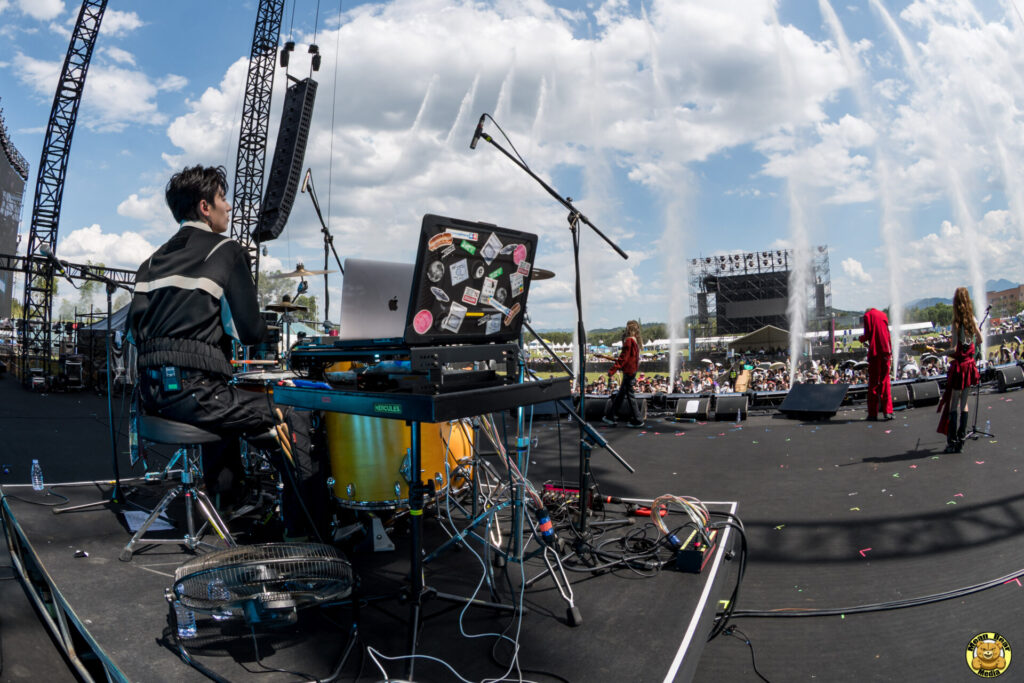
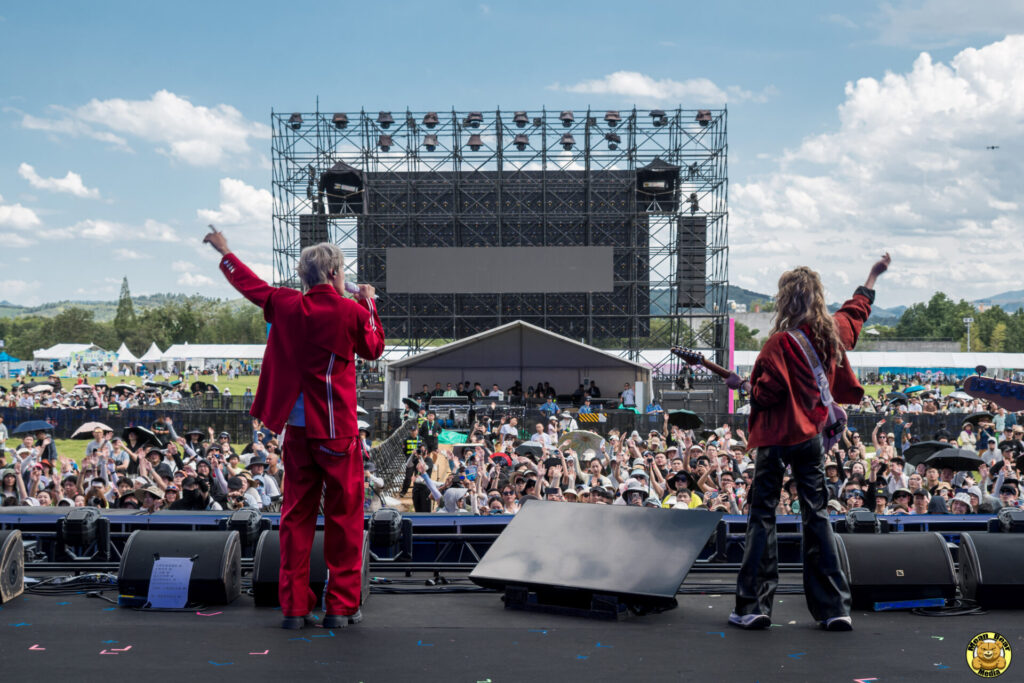
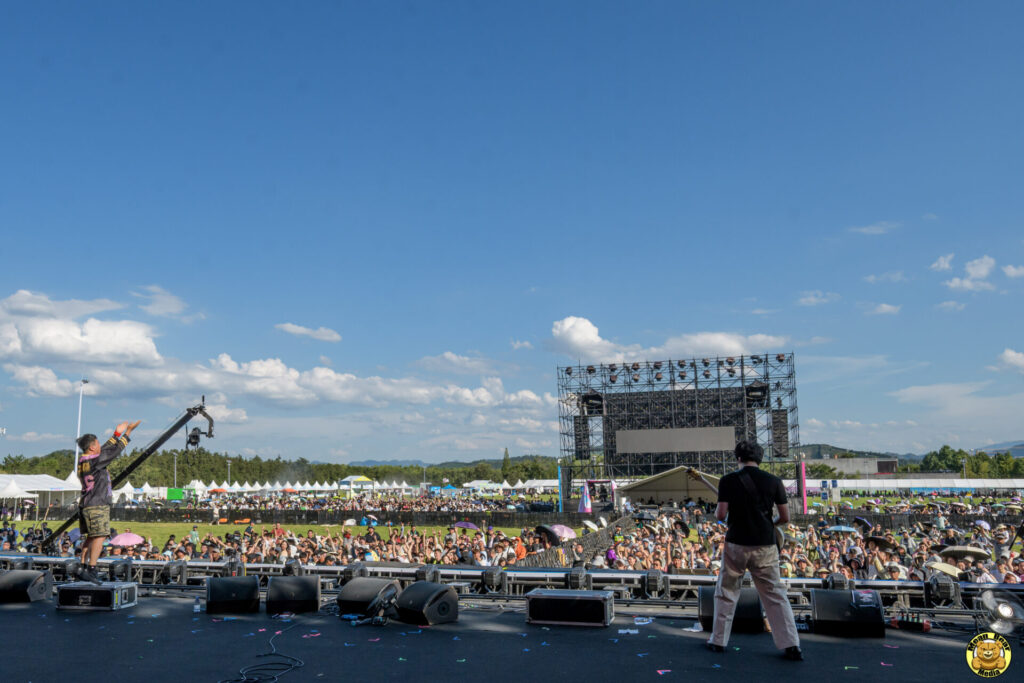
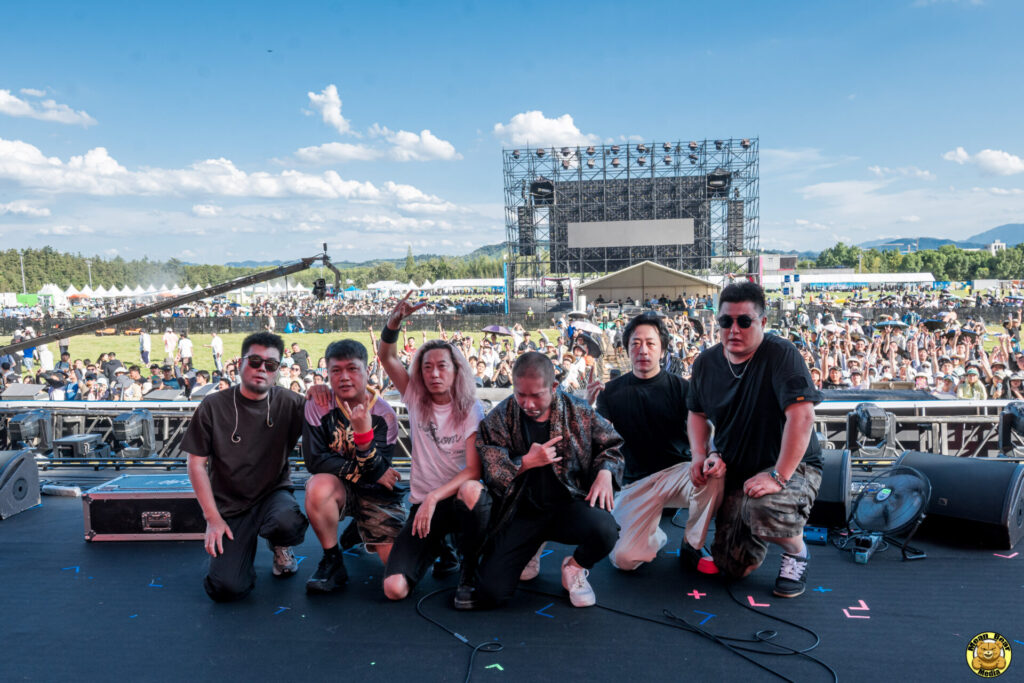
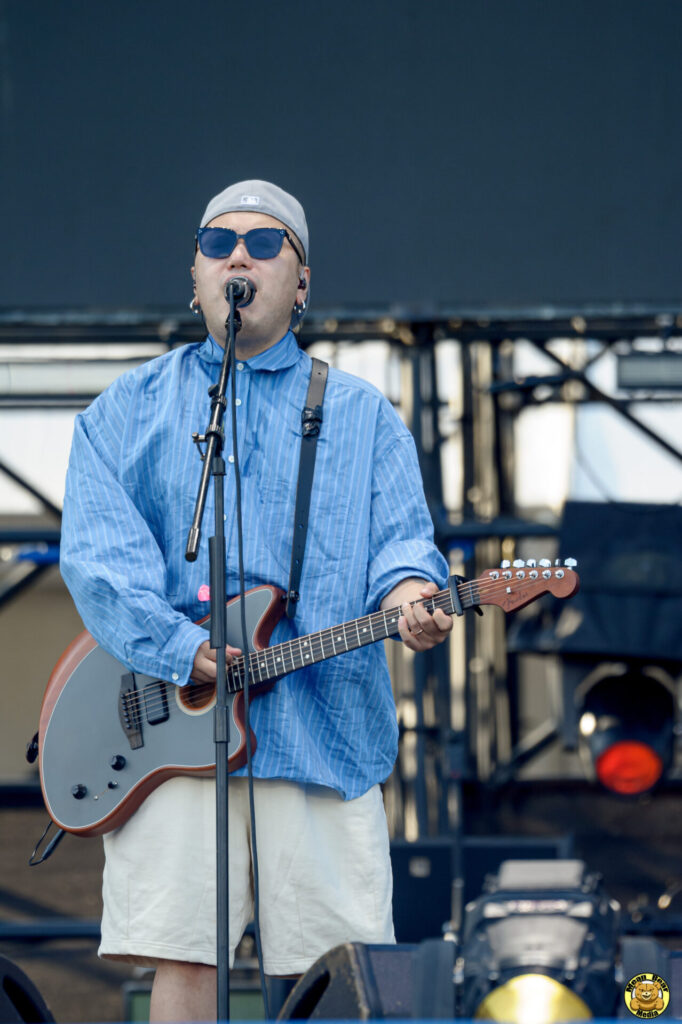
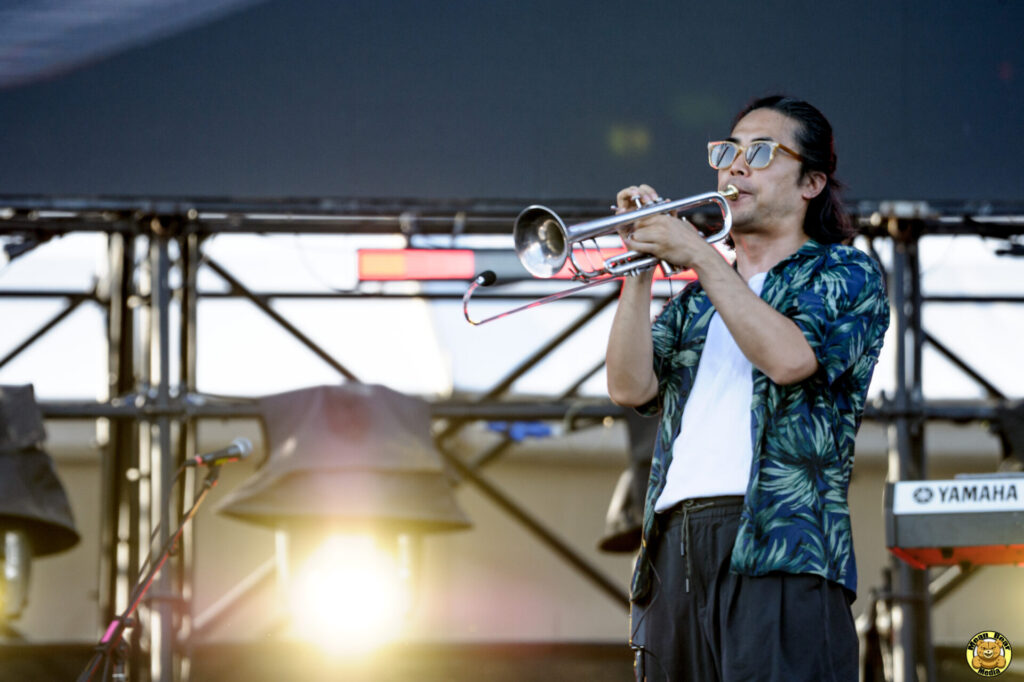
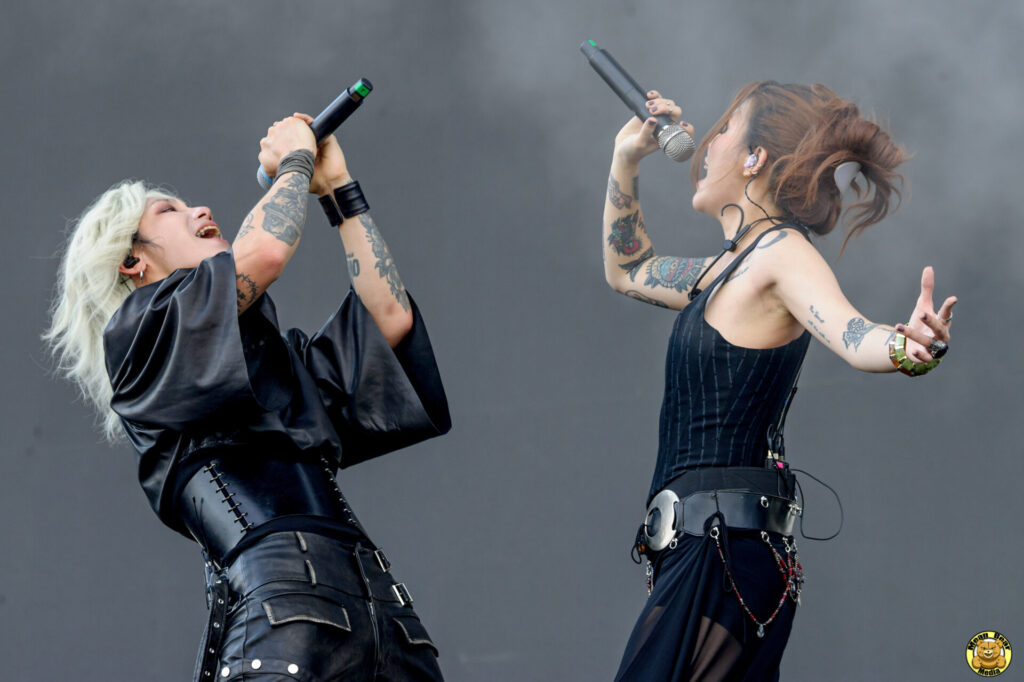
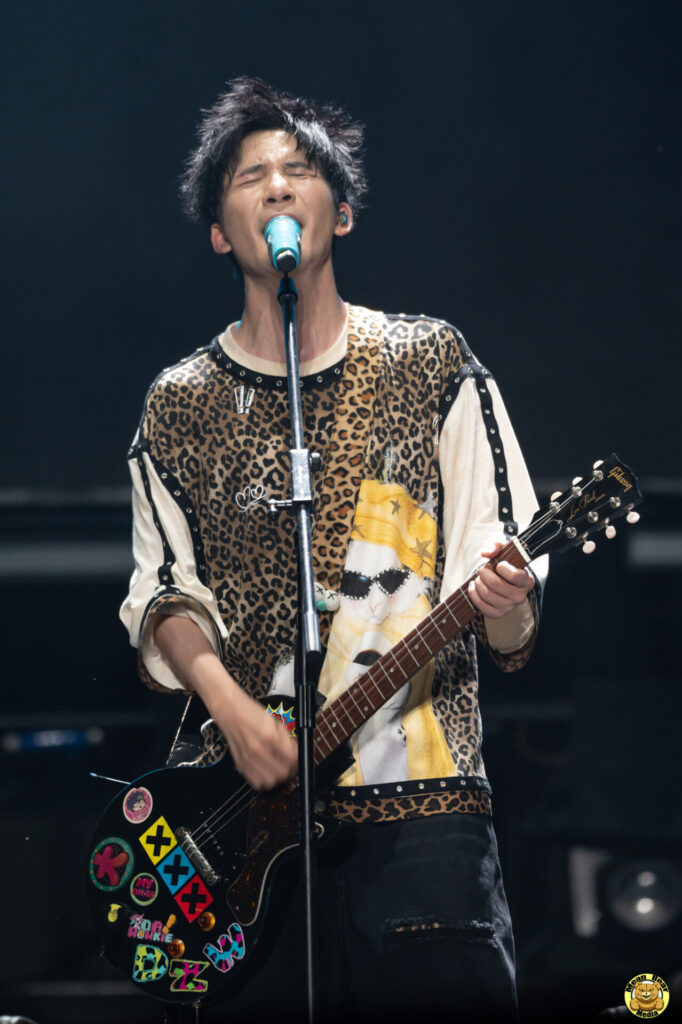
The Anji festival split neatly into two halves. Day one was pure rock and metal territory—mostly heavy bands that play right to my strengths. I call myself a rock photographer, not just a generic “music” one, so this felt like home turf.
Pics from DAY 1

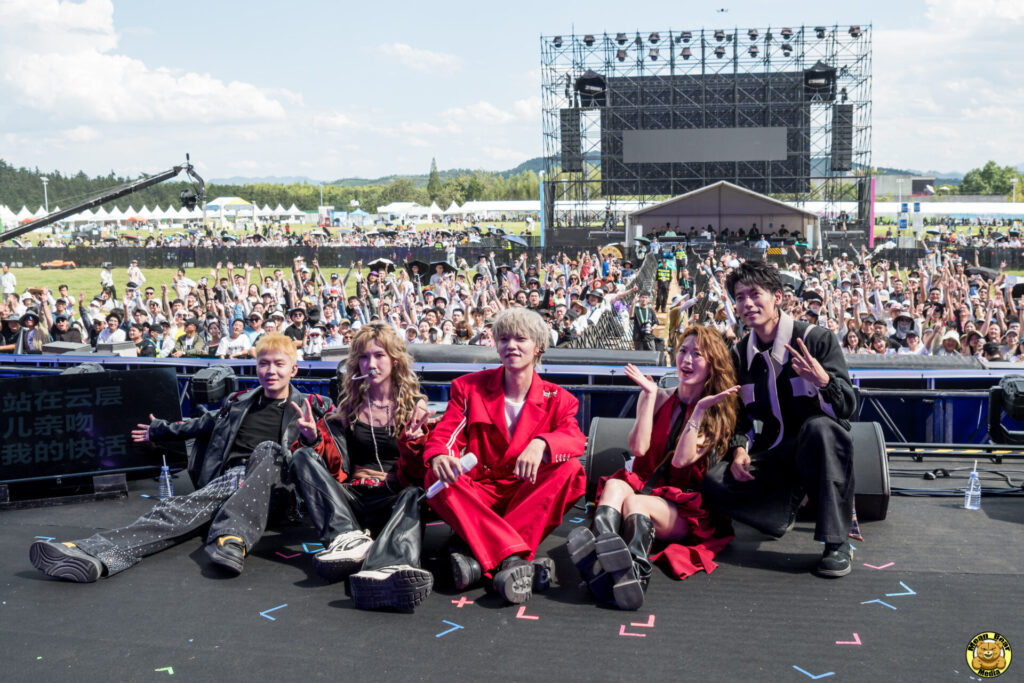
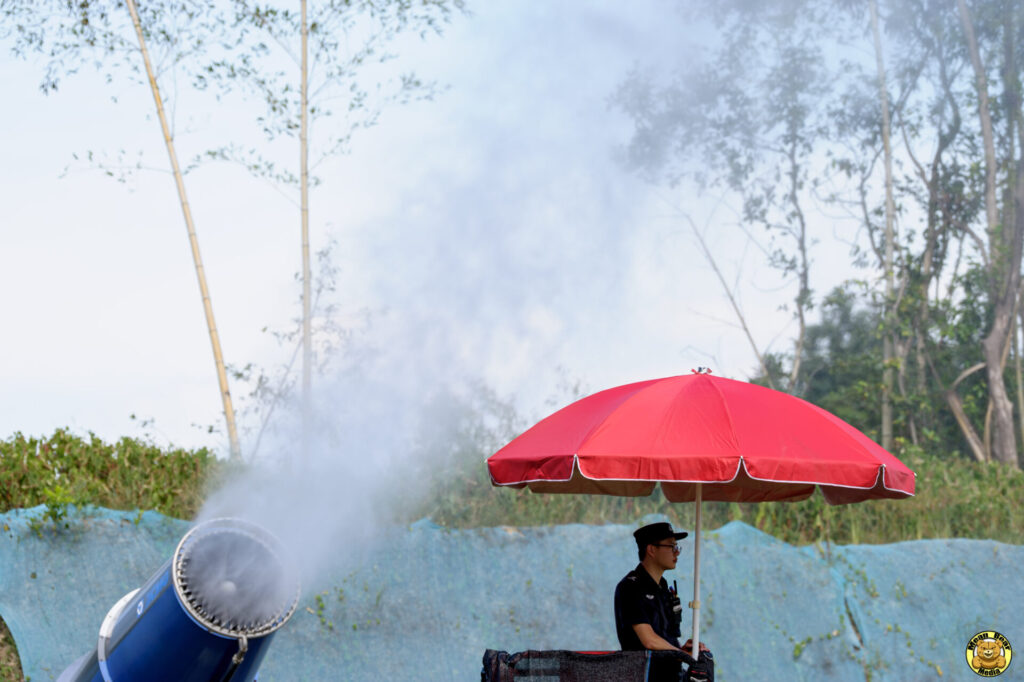

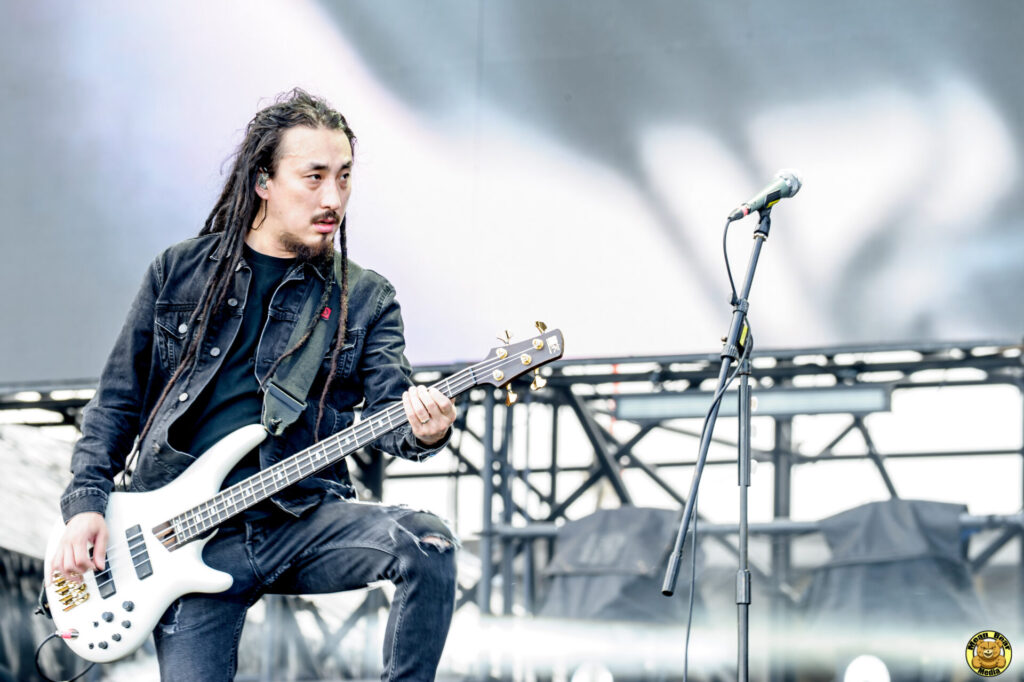
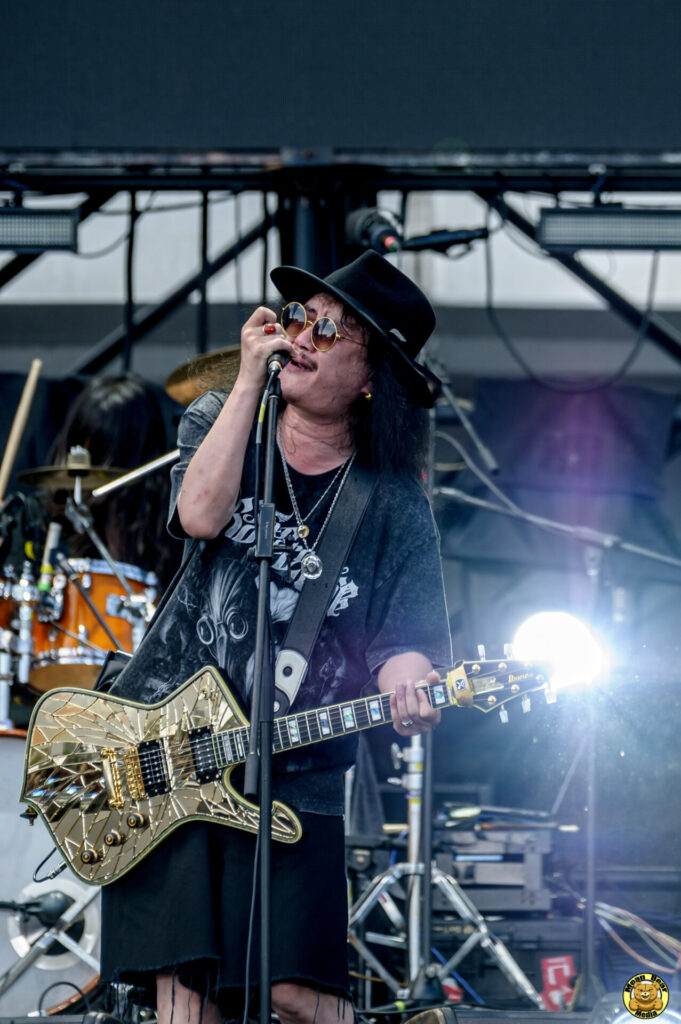
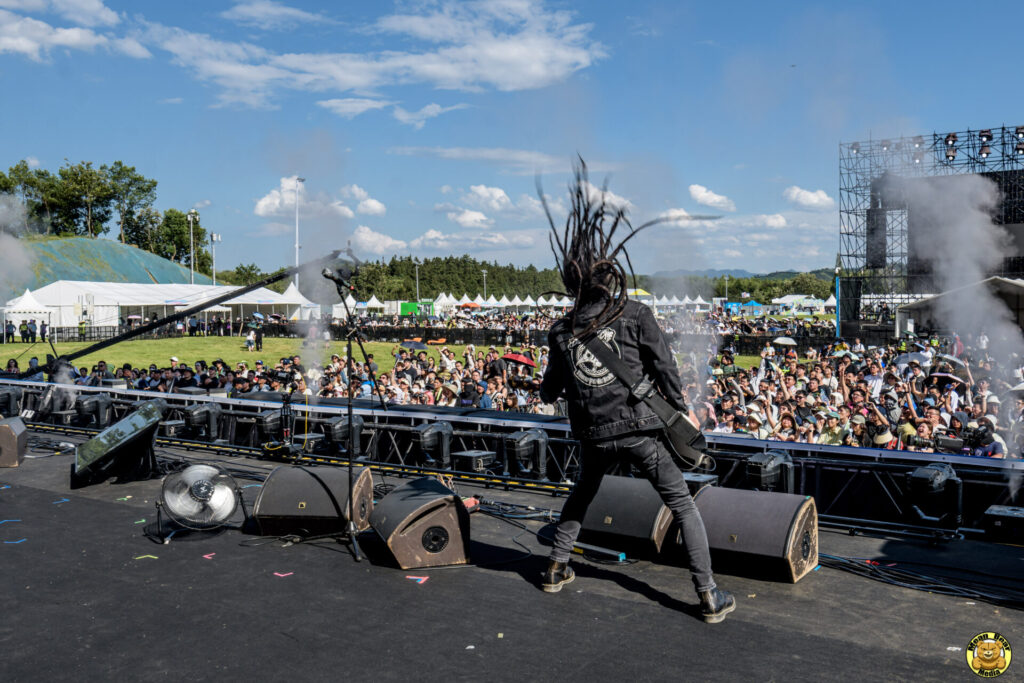
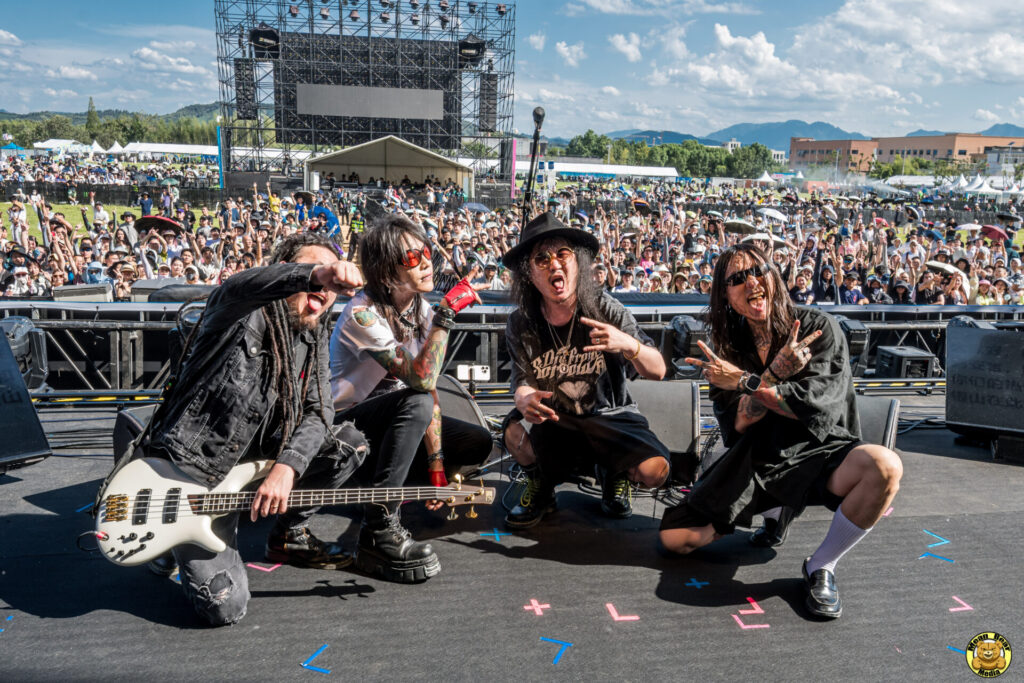
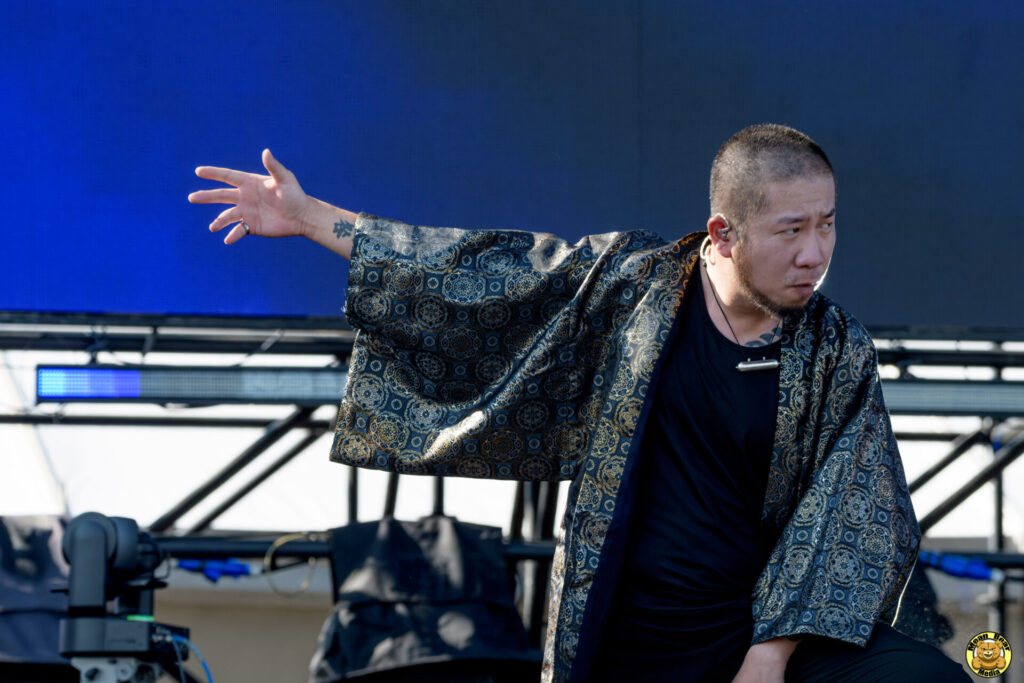
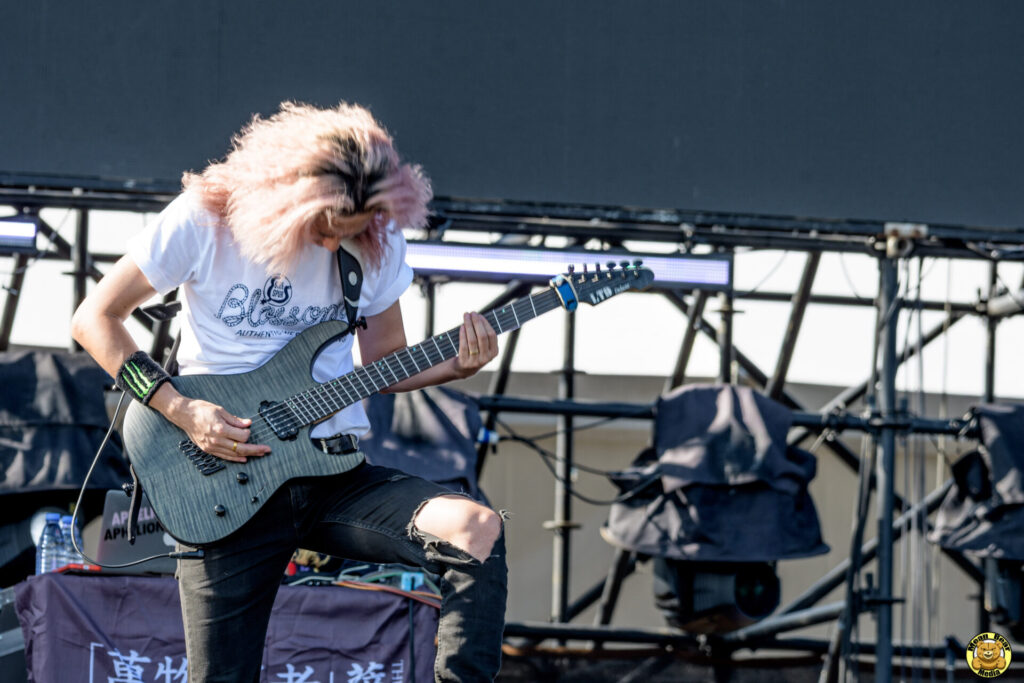
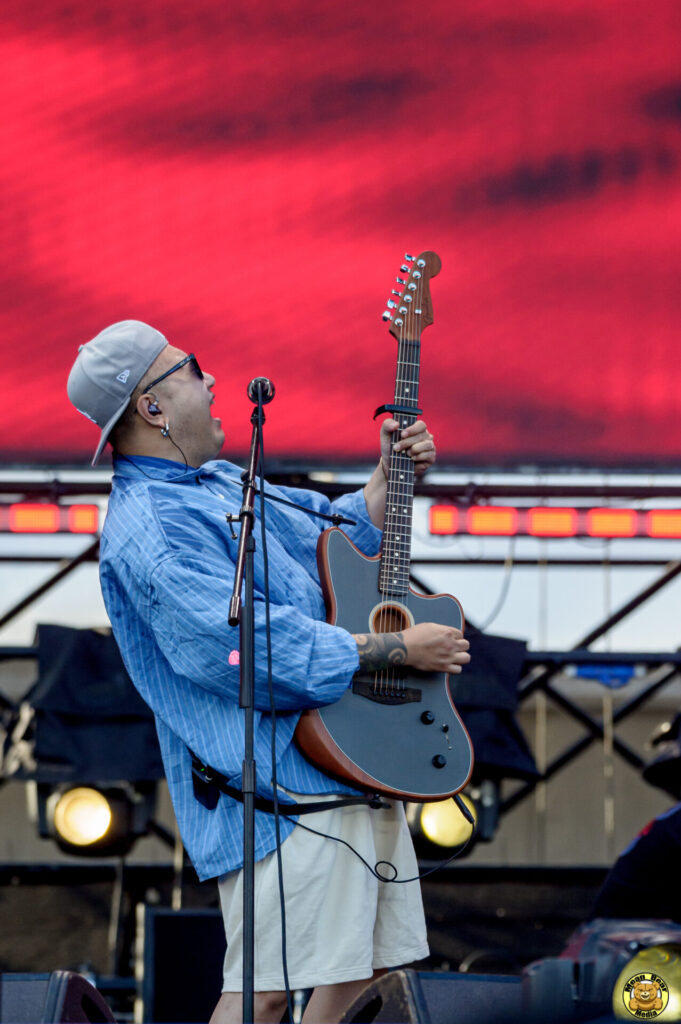
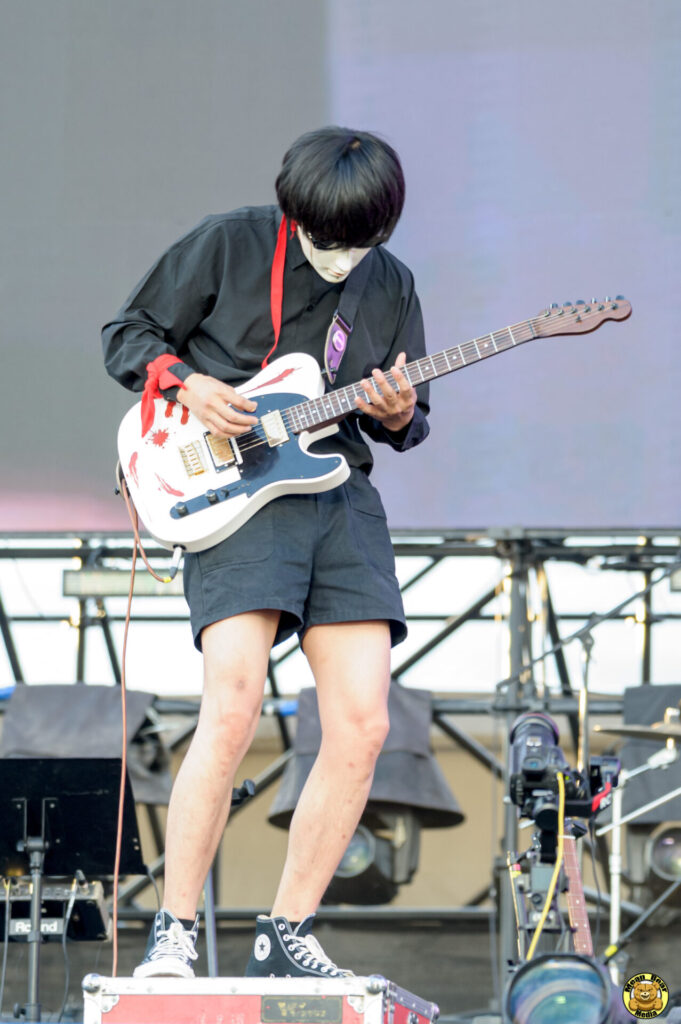
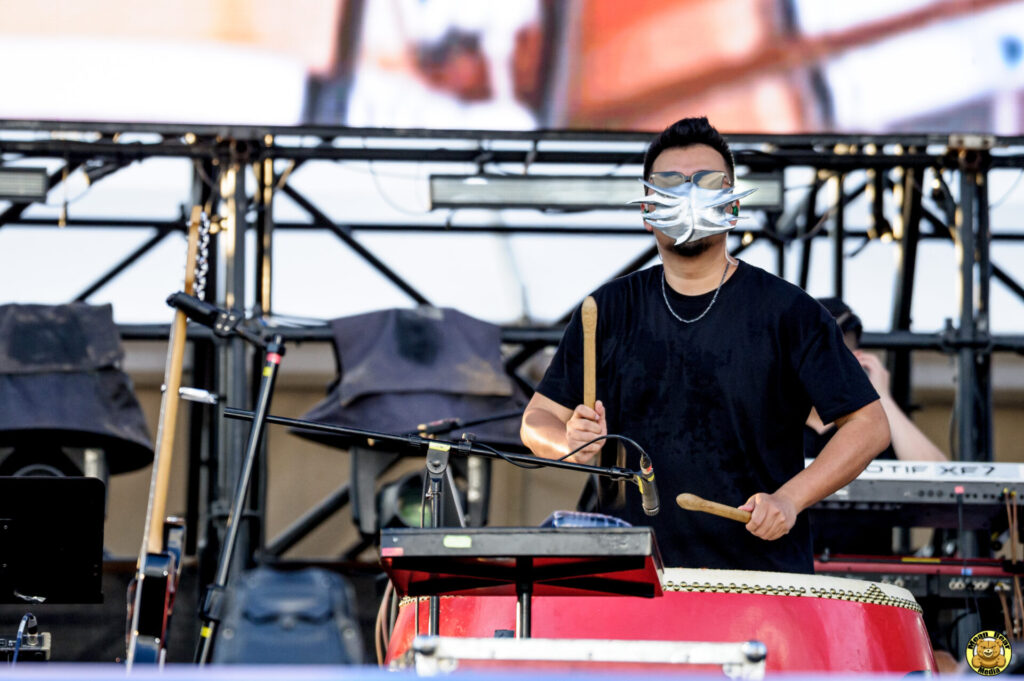

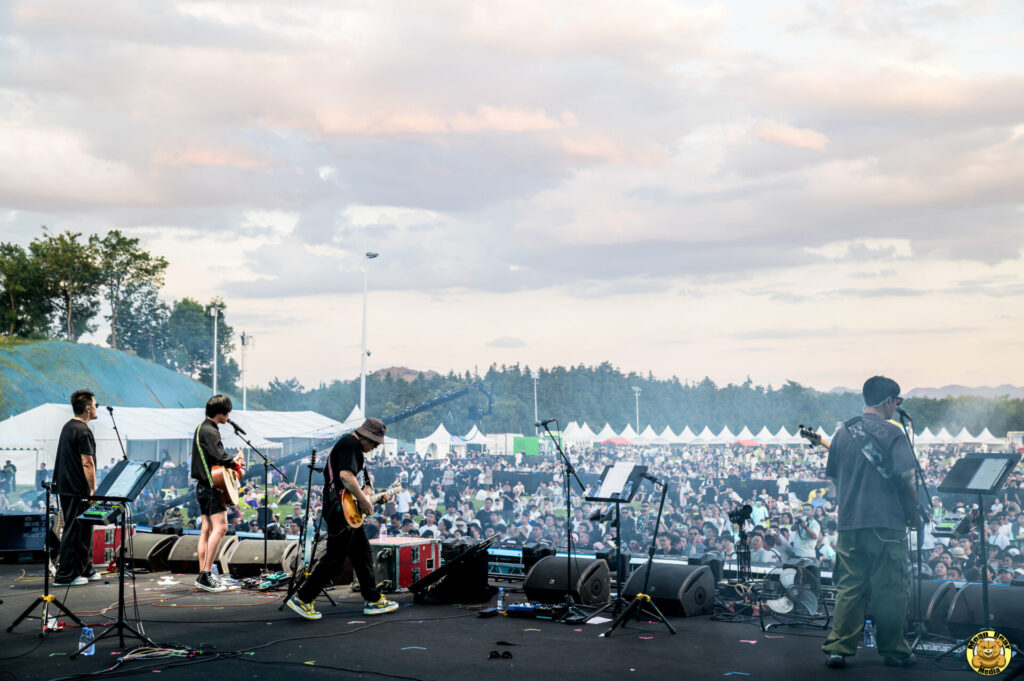
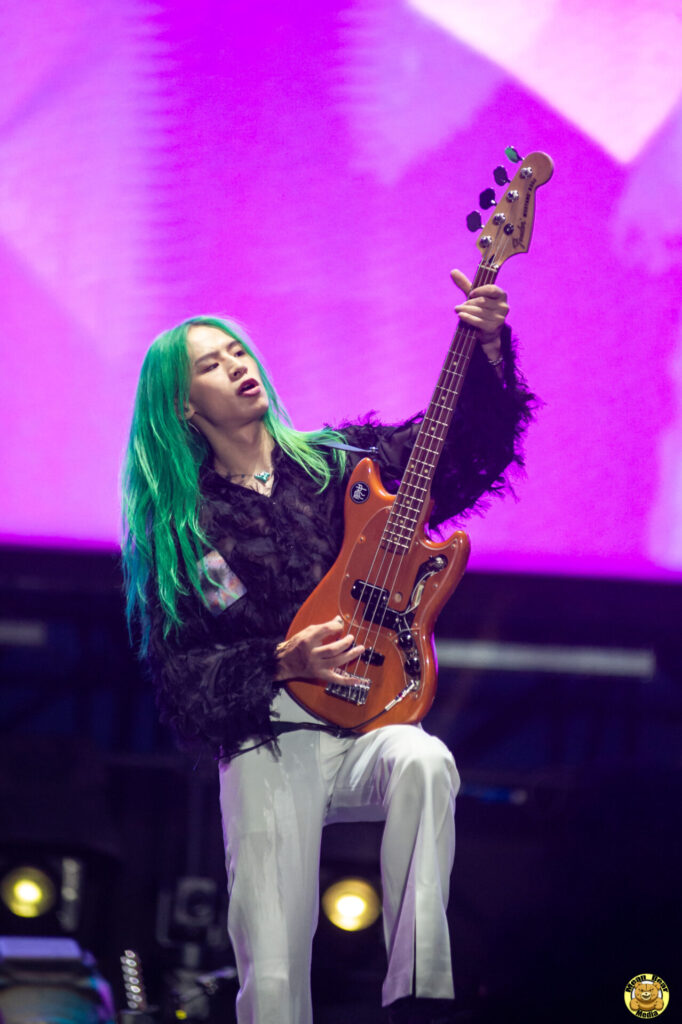
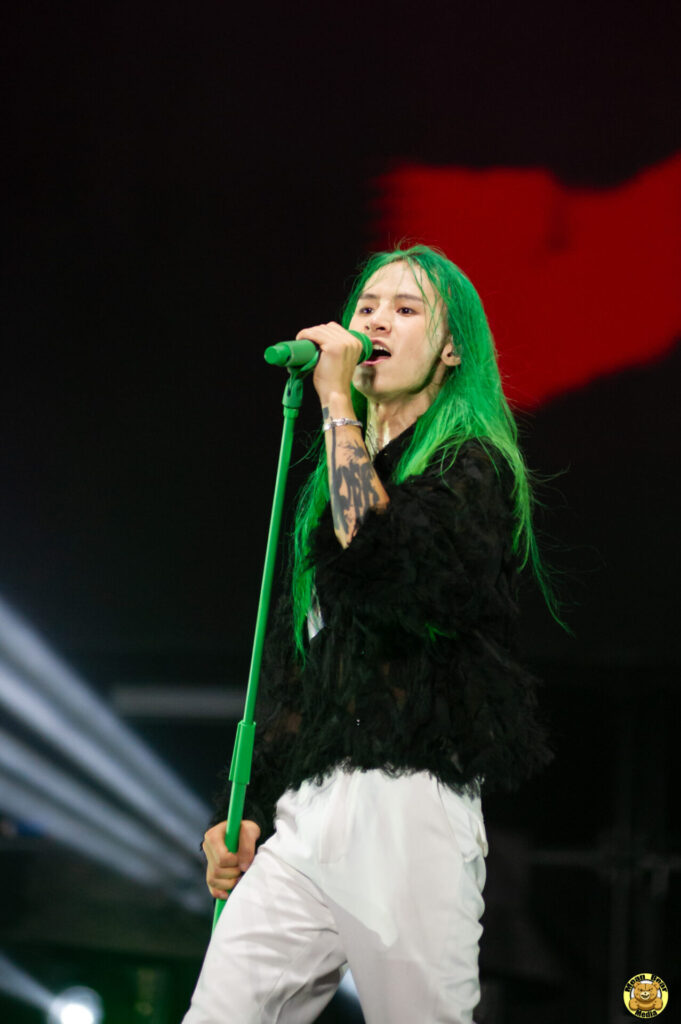
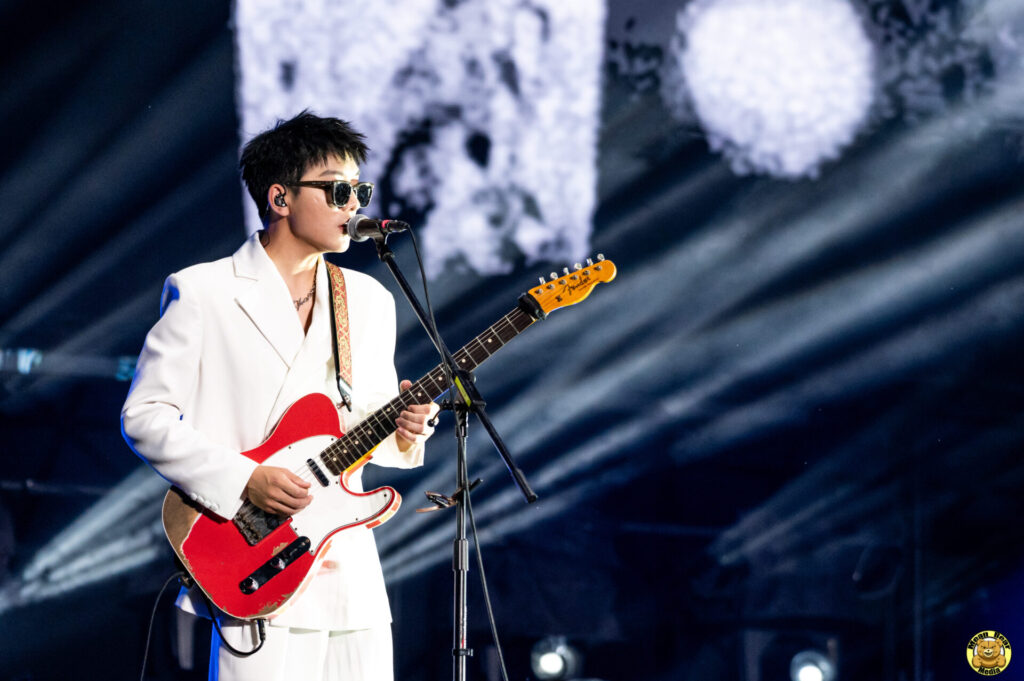
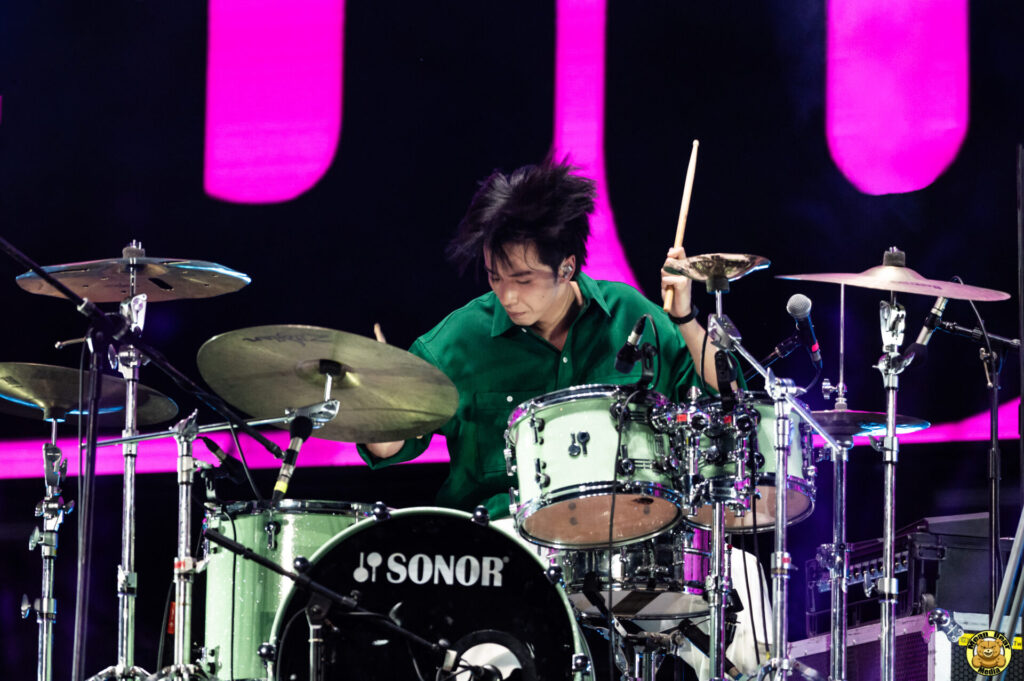
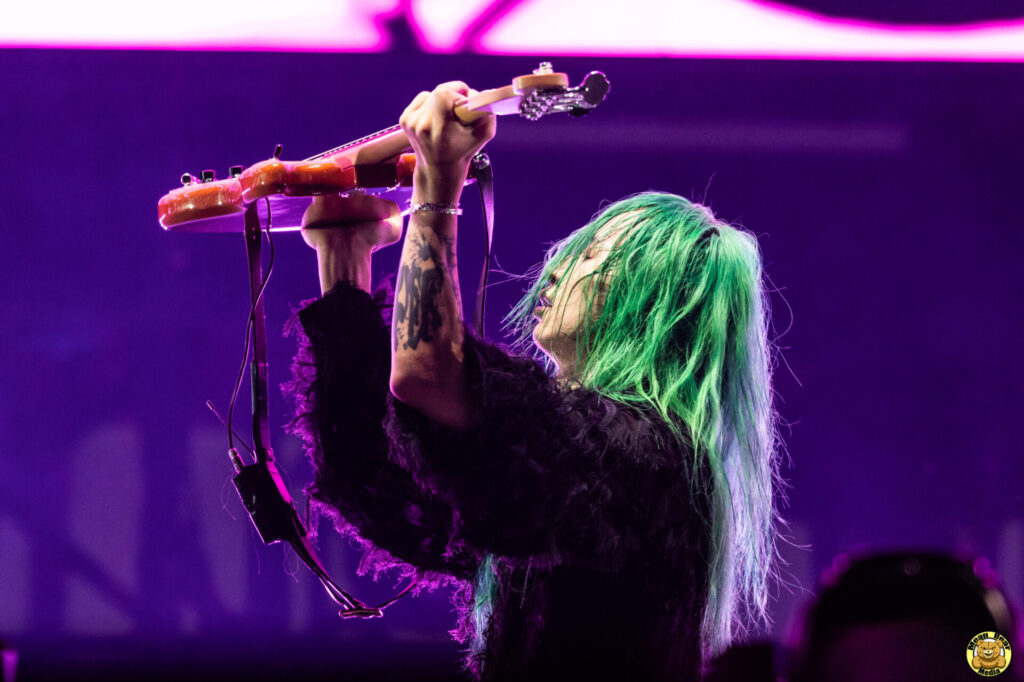
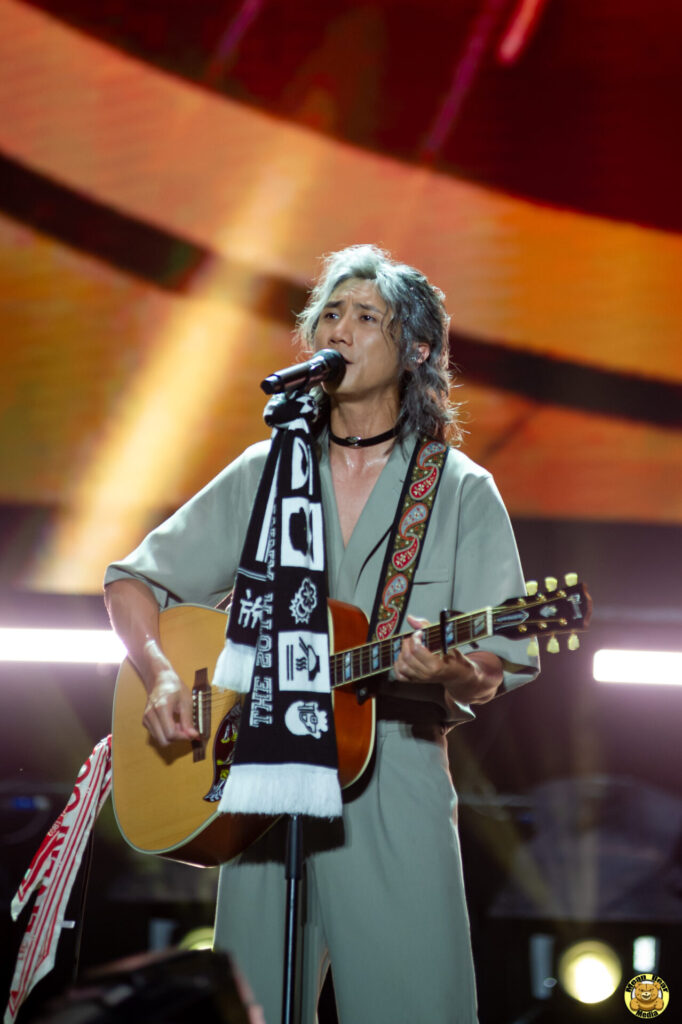
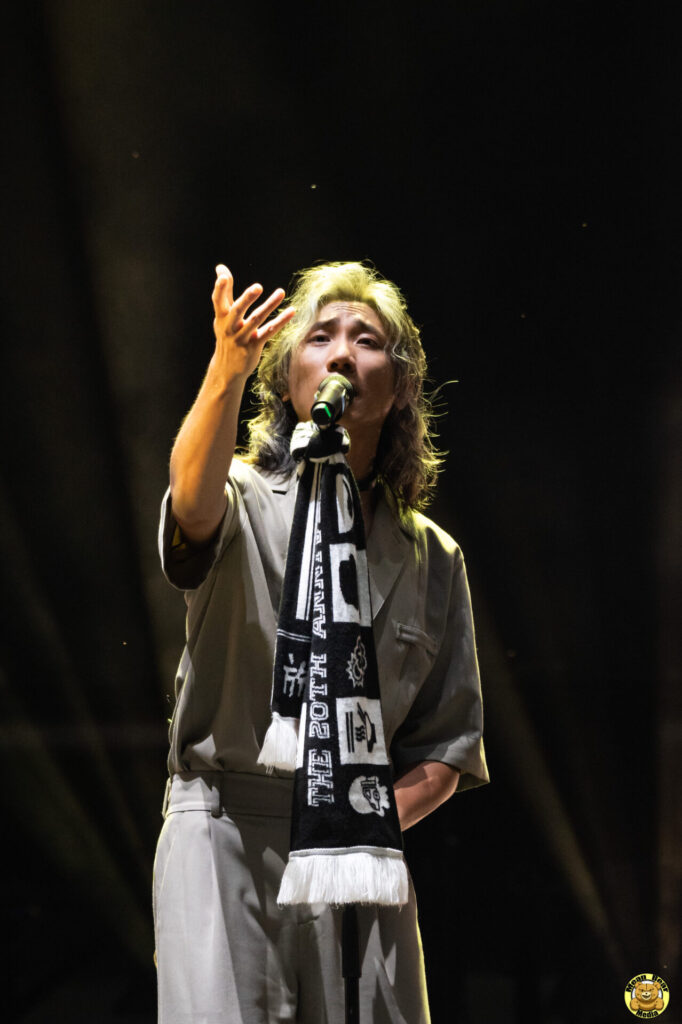
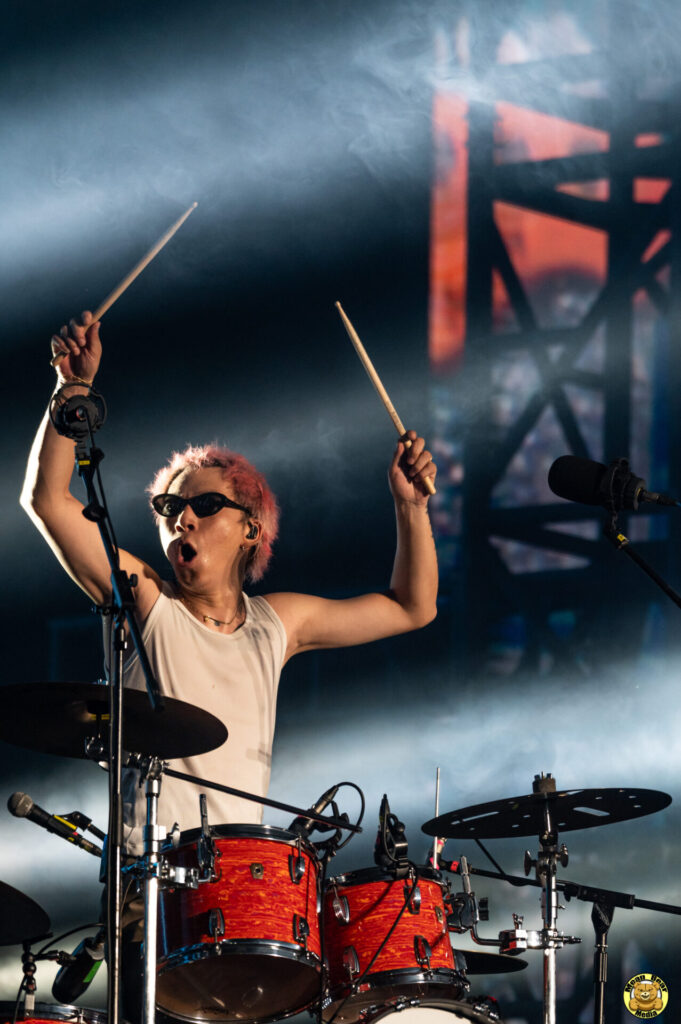
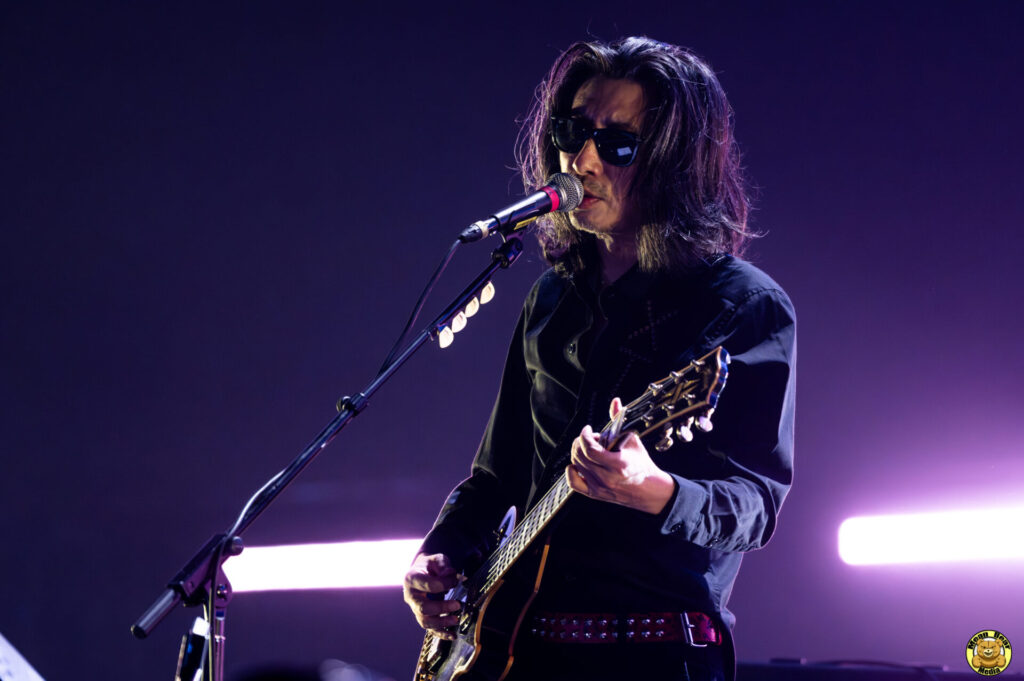
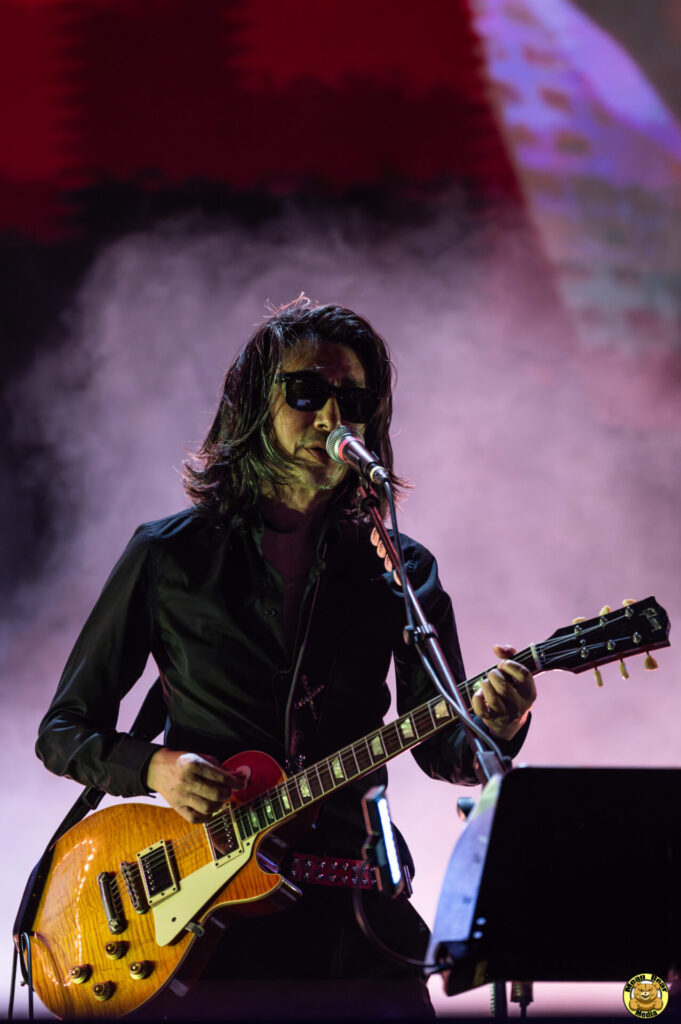
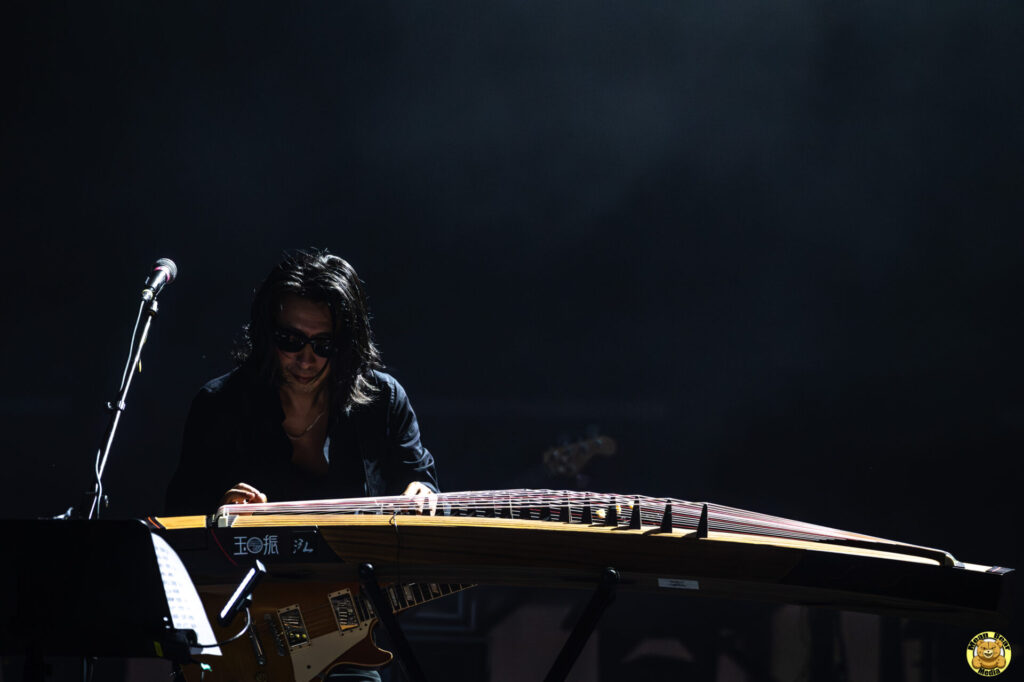
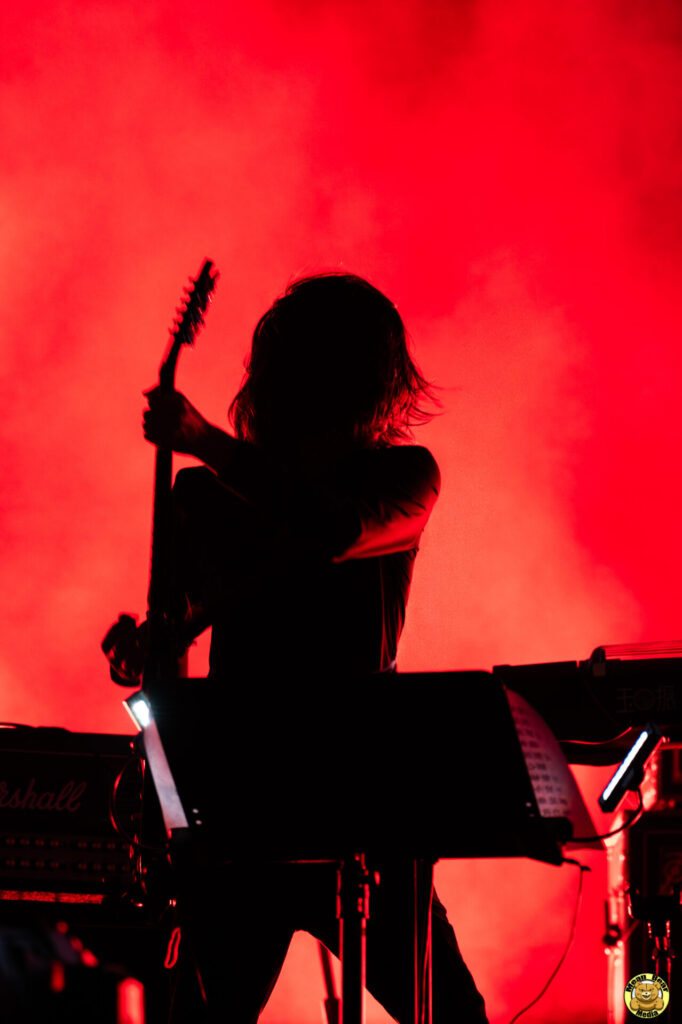
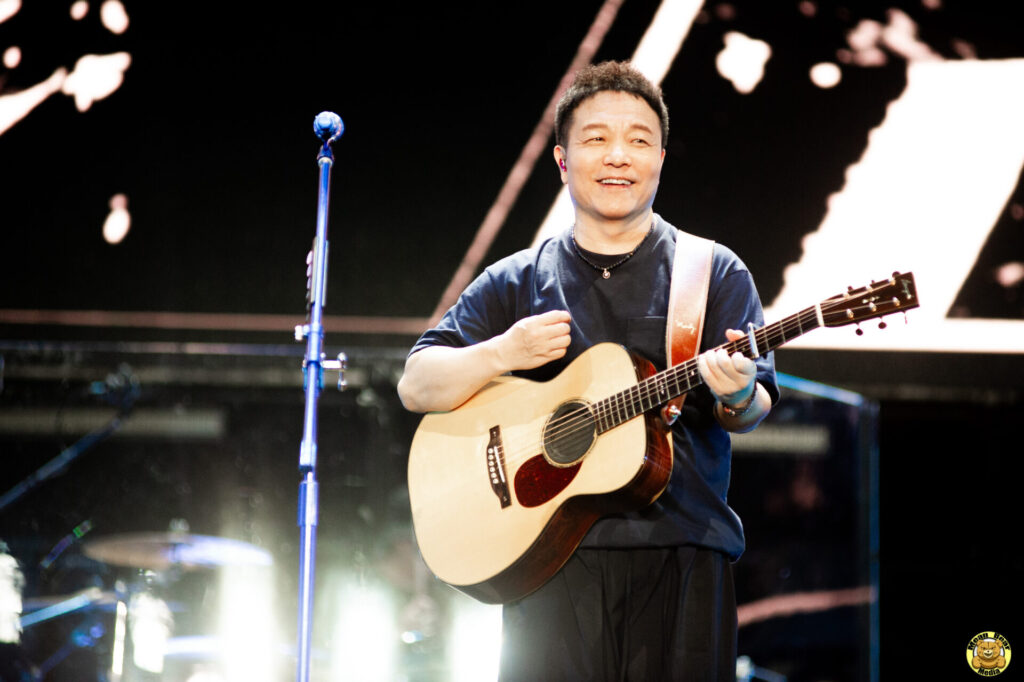
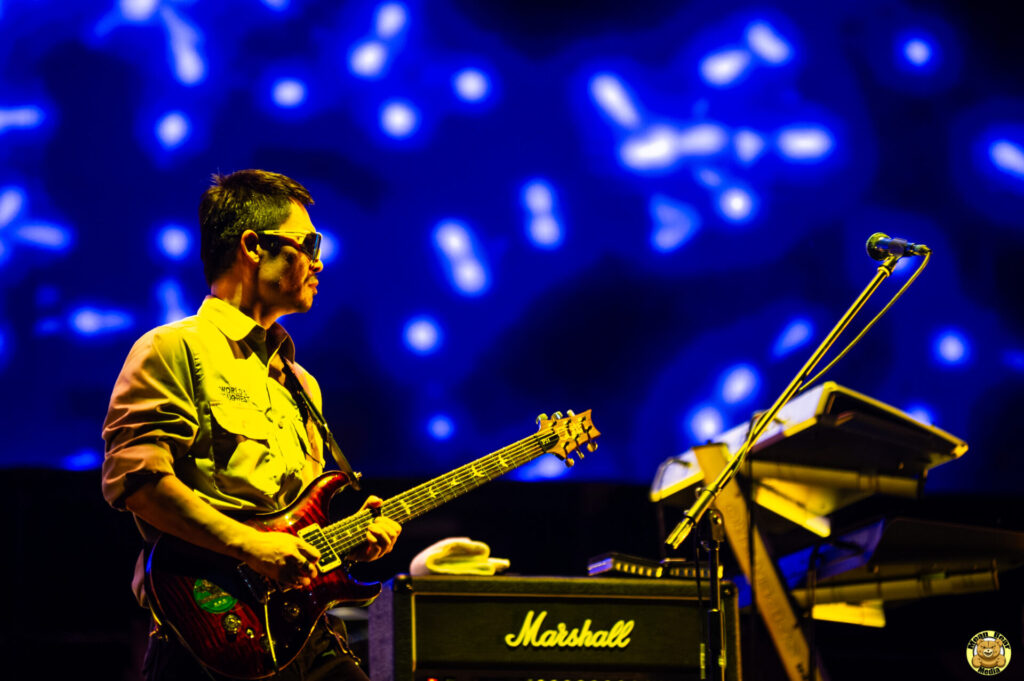
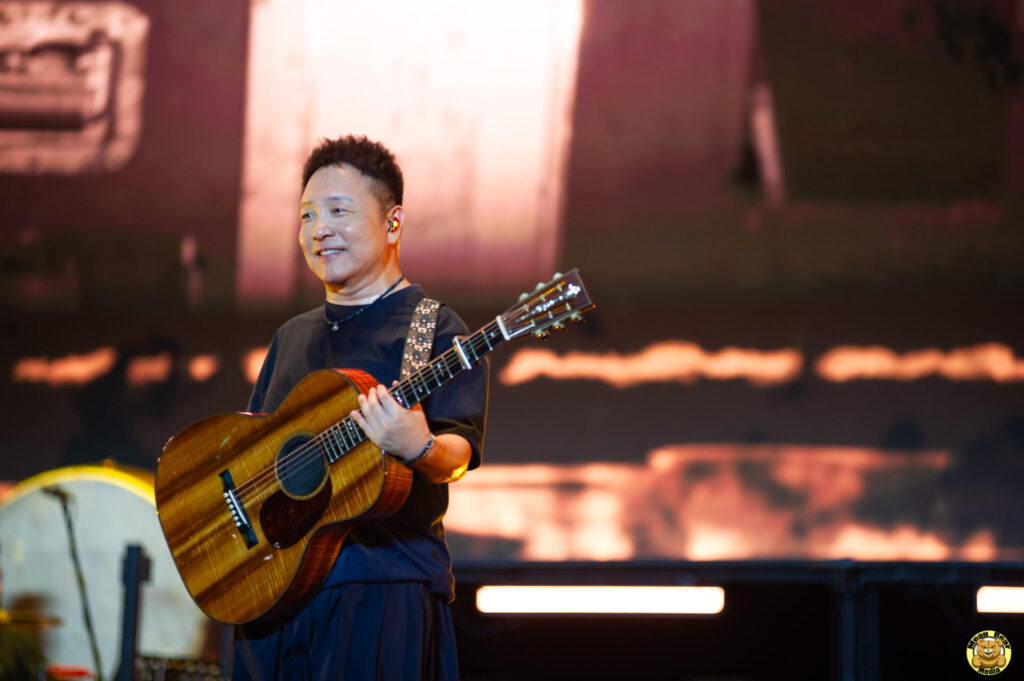
Pics from DAY 2
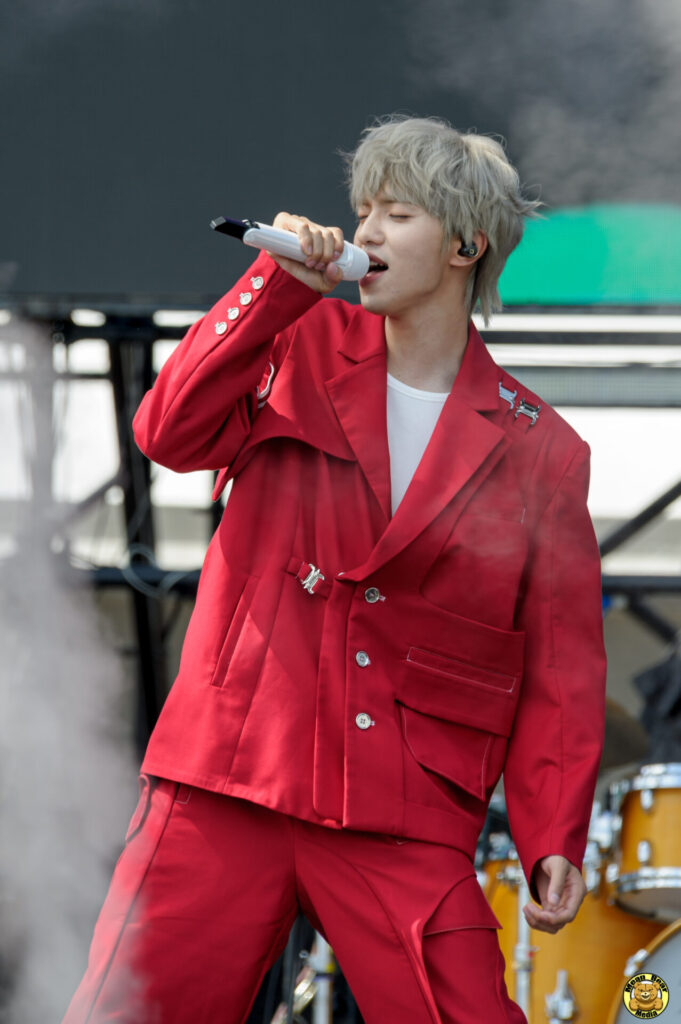
Day two shifted to pop territory. I’m not a huge fan of Chinese pop music, but thankfully the schedule mixed in a few rock bands to keep things interesting for me.
The real challenge shooting pop in China? The female fans—especially the young ones. They’re intensely passionate and can turn aggressive if you block their view of their idol. Over the years, I’ve dodged plenty of slaps, punches, and swinging selfie sticks. I’m far from the only photographer who’s dealt with this; even police and security guards take hits. There’s little recourse—no one’s about to escalate with a petite 5’4″, 80-pound fan. So the options boil down to absorbing it or stepping aside quickly to avoid worse.
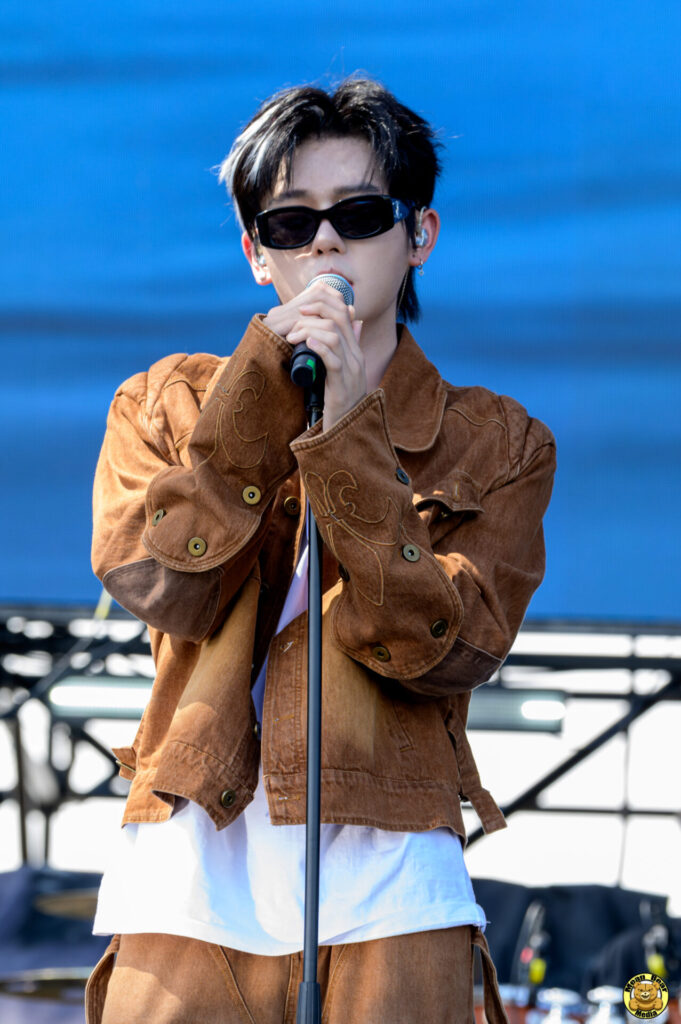
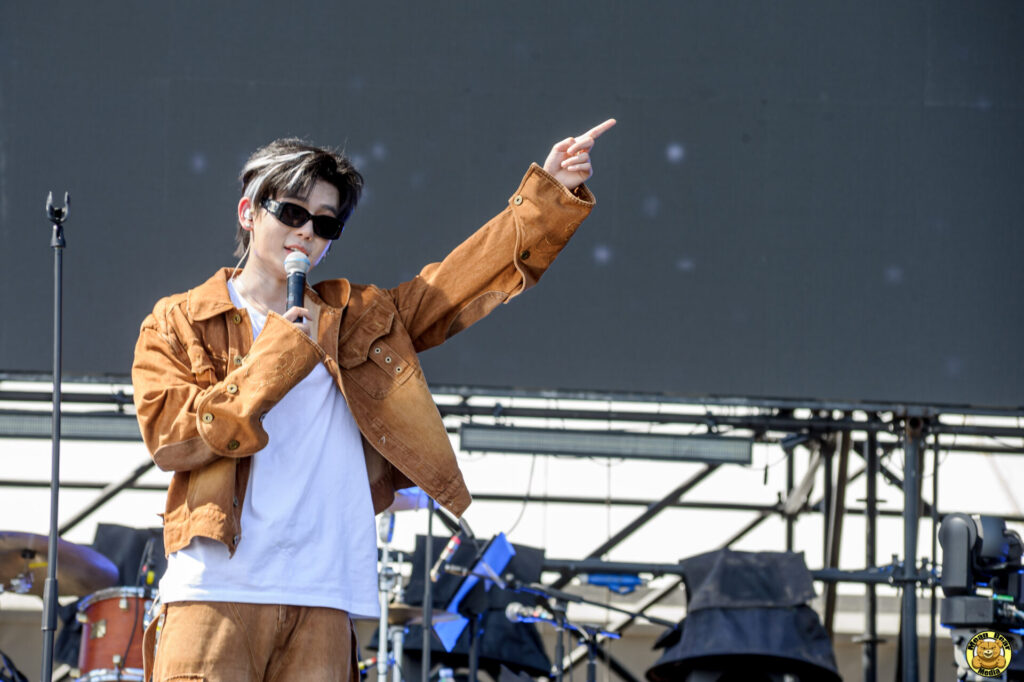

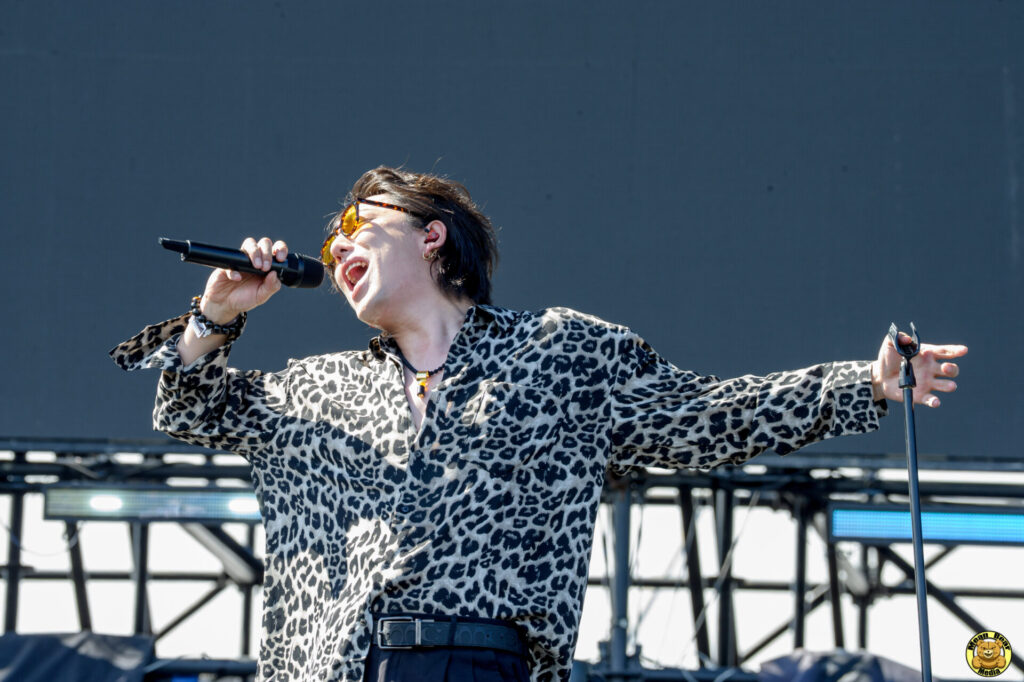
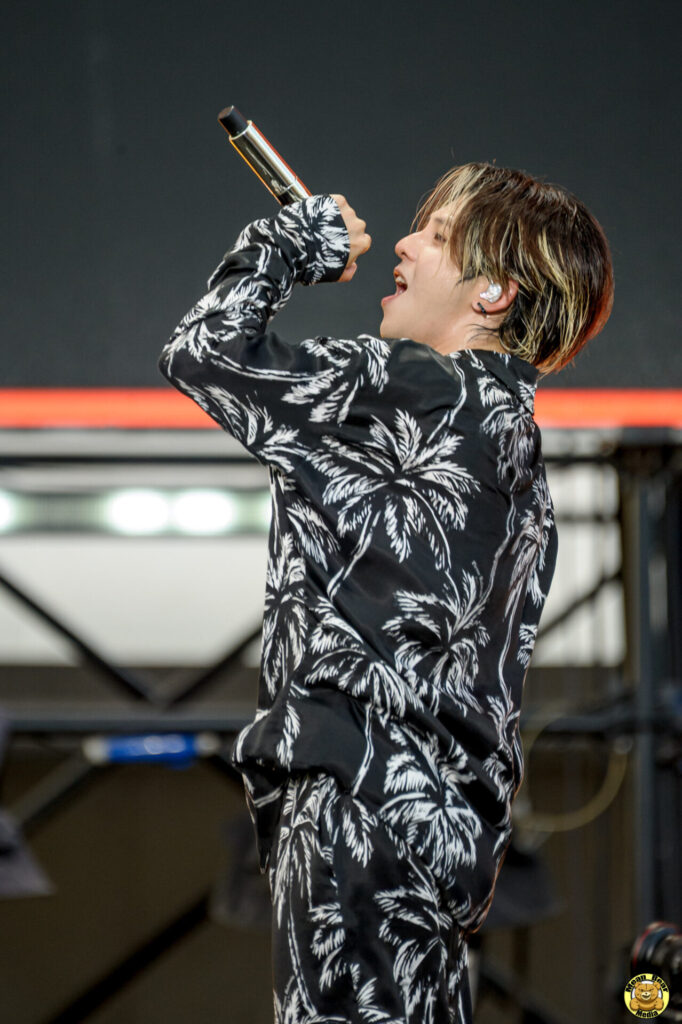
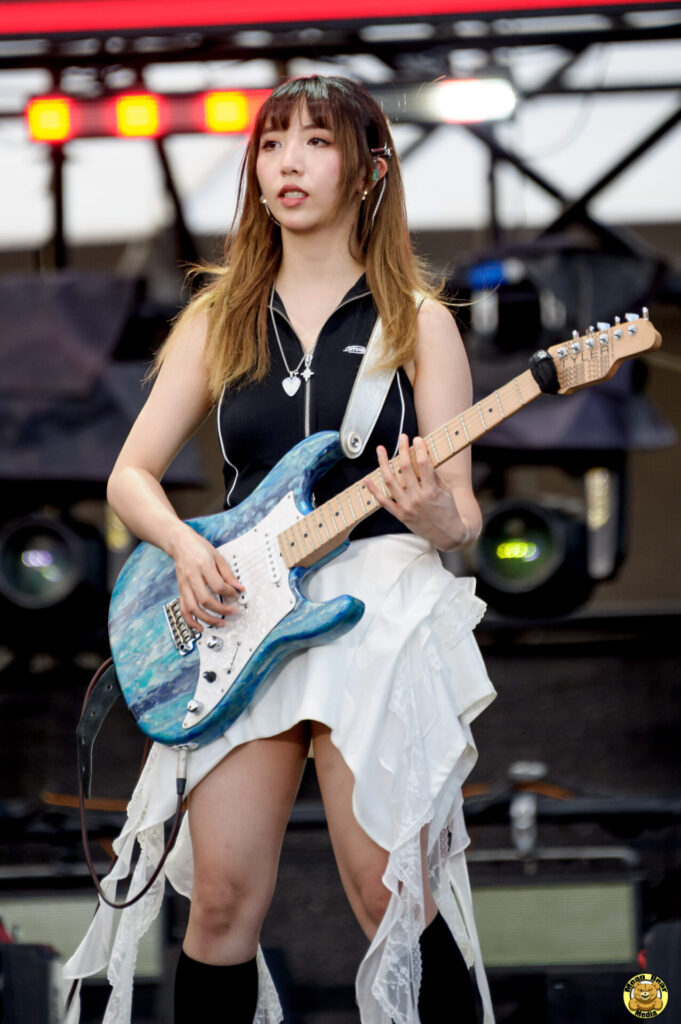
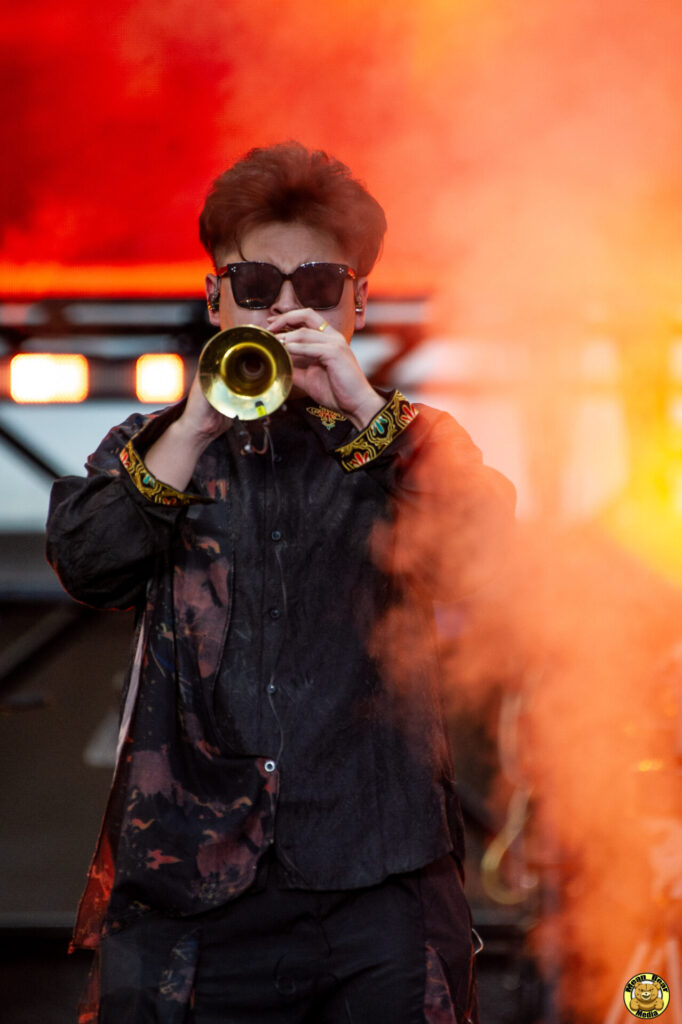
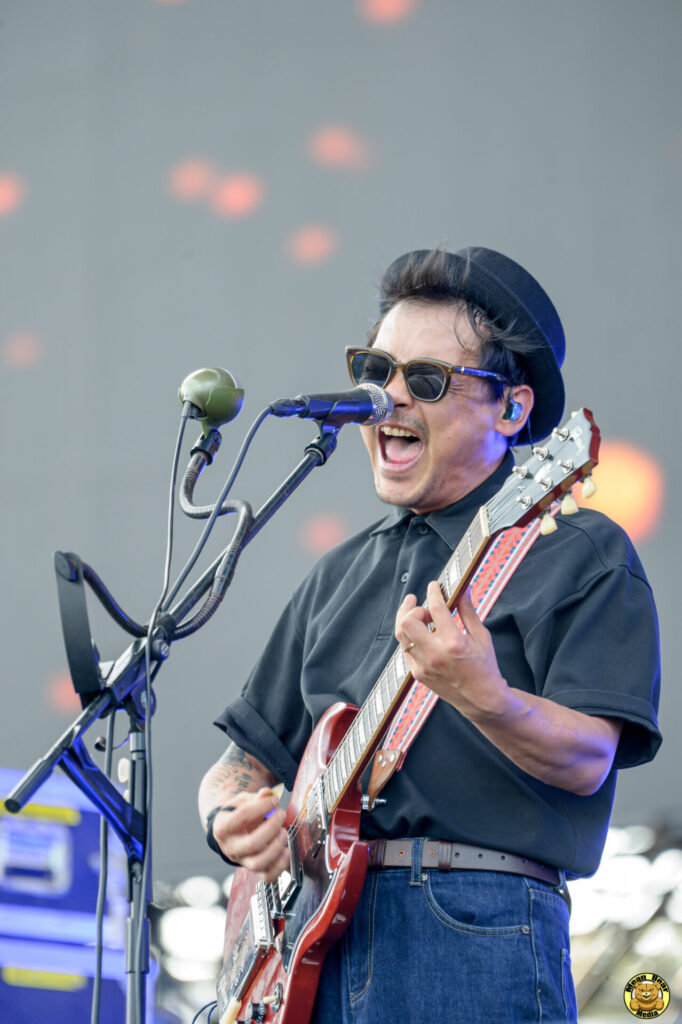
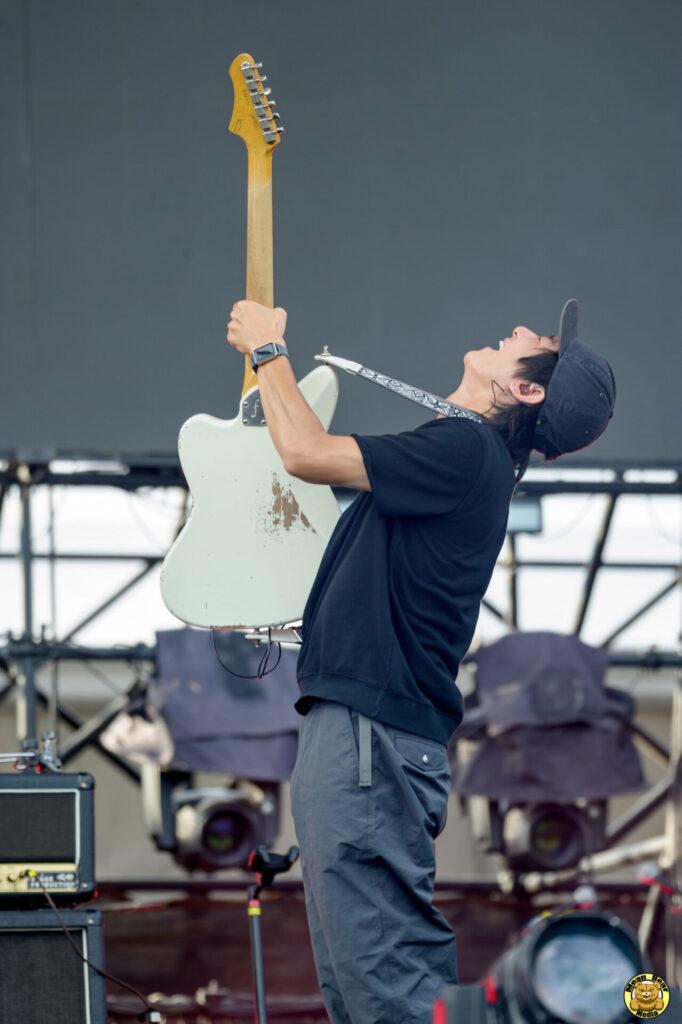
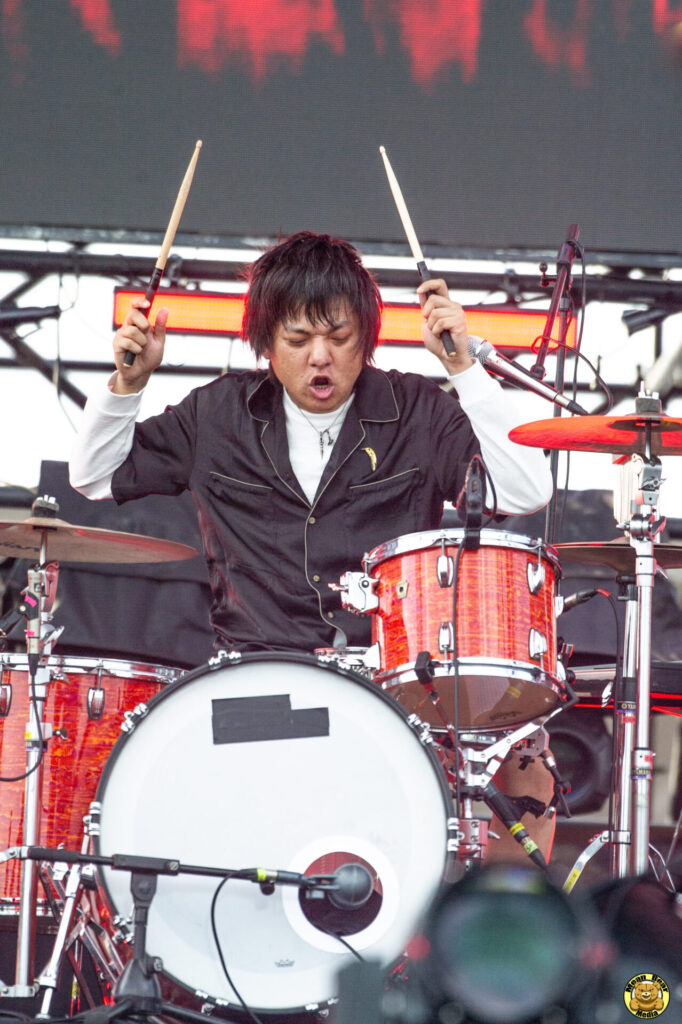
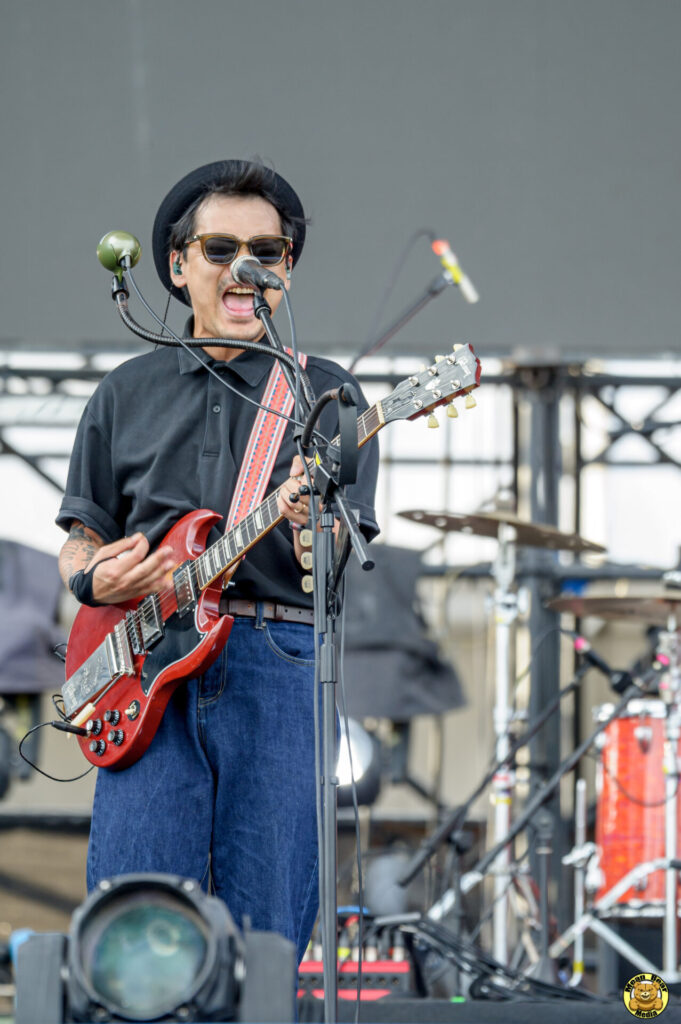
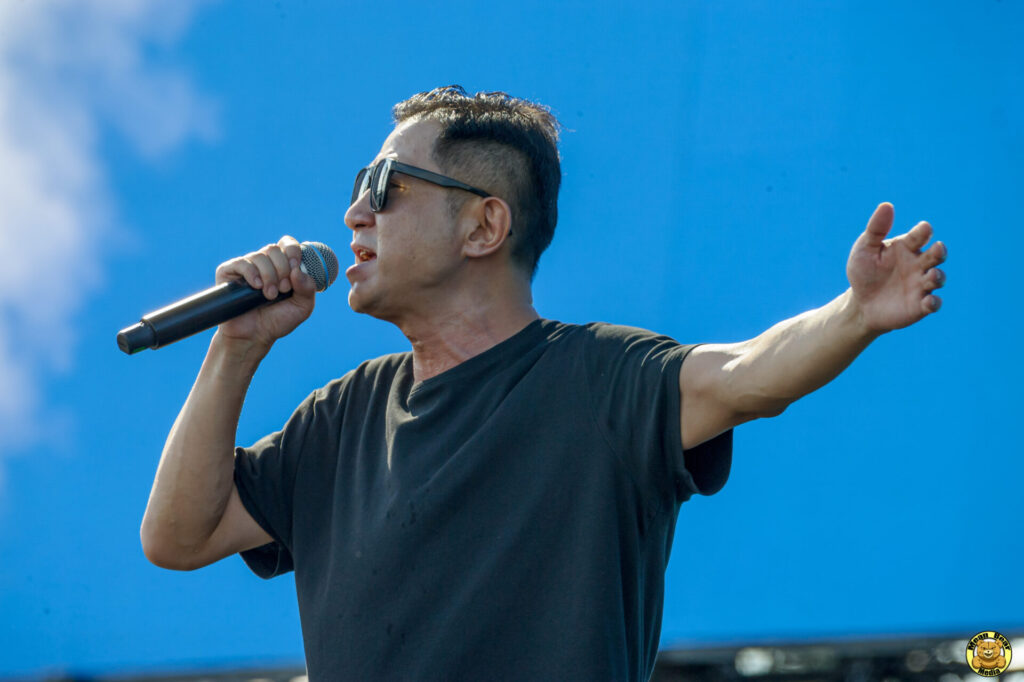
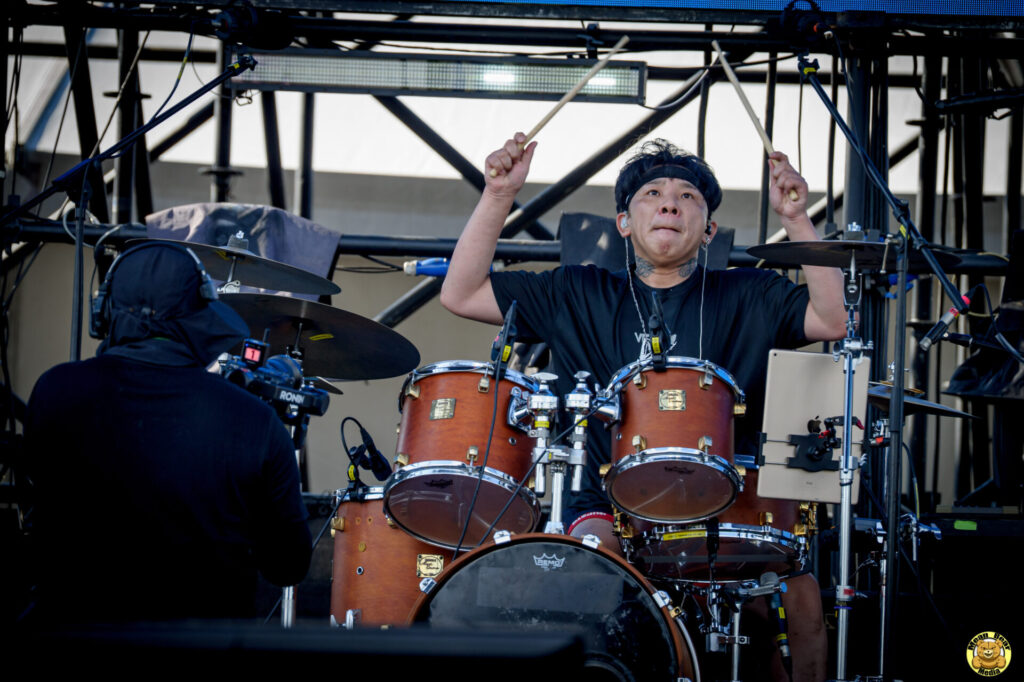
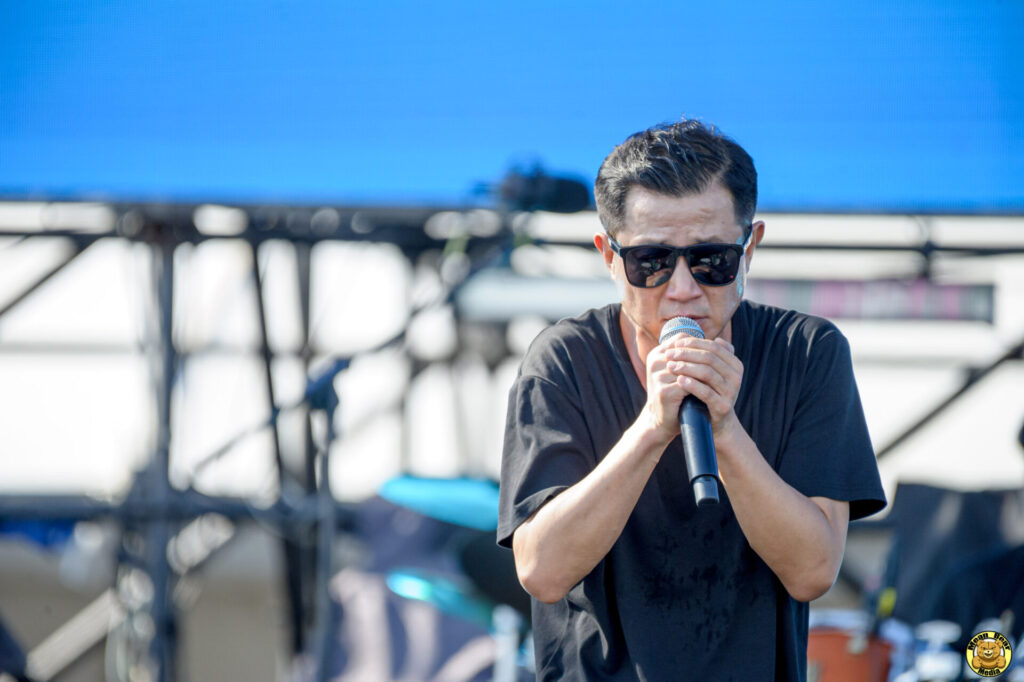
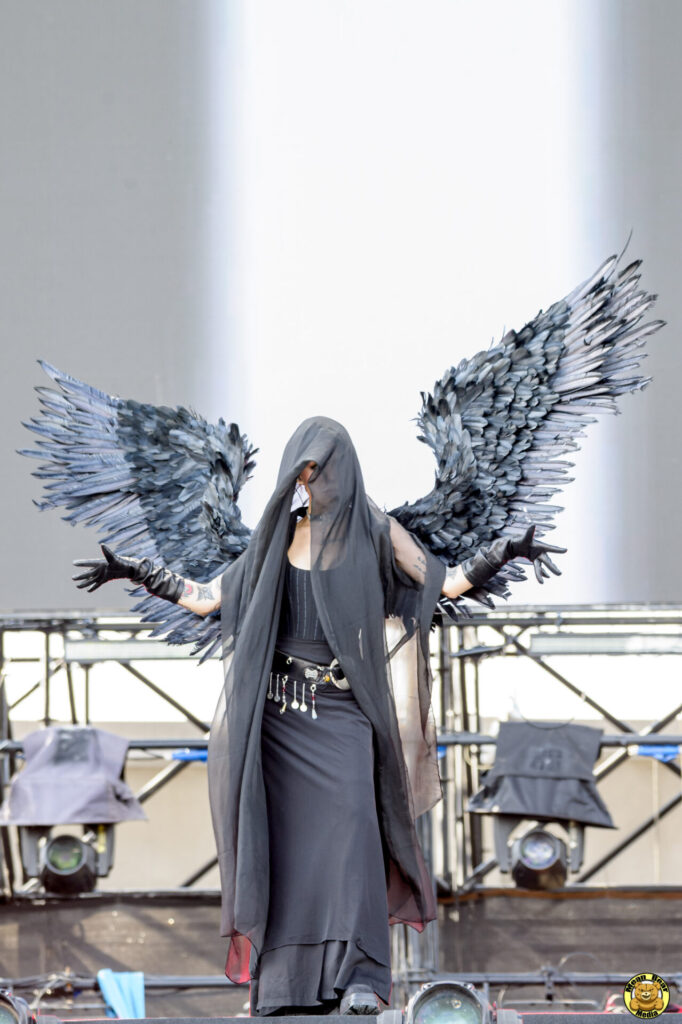
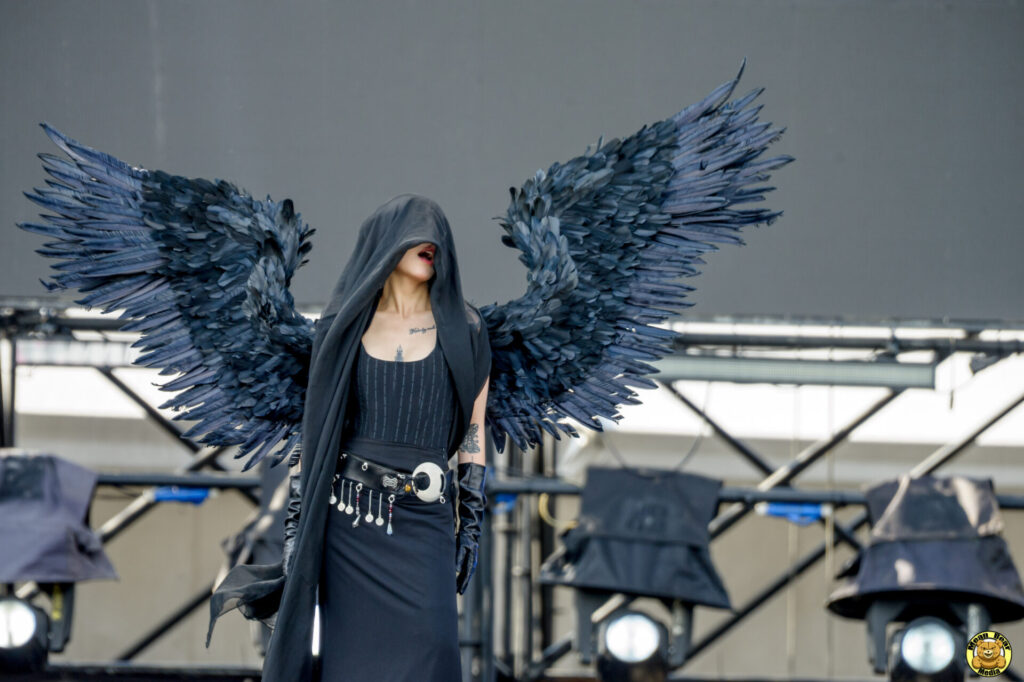
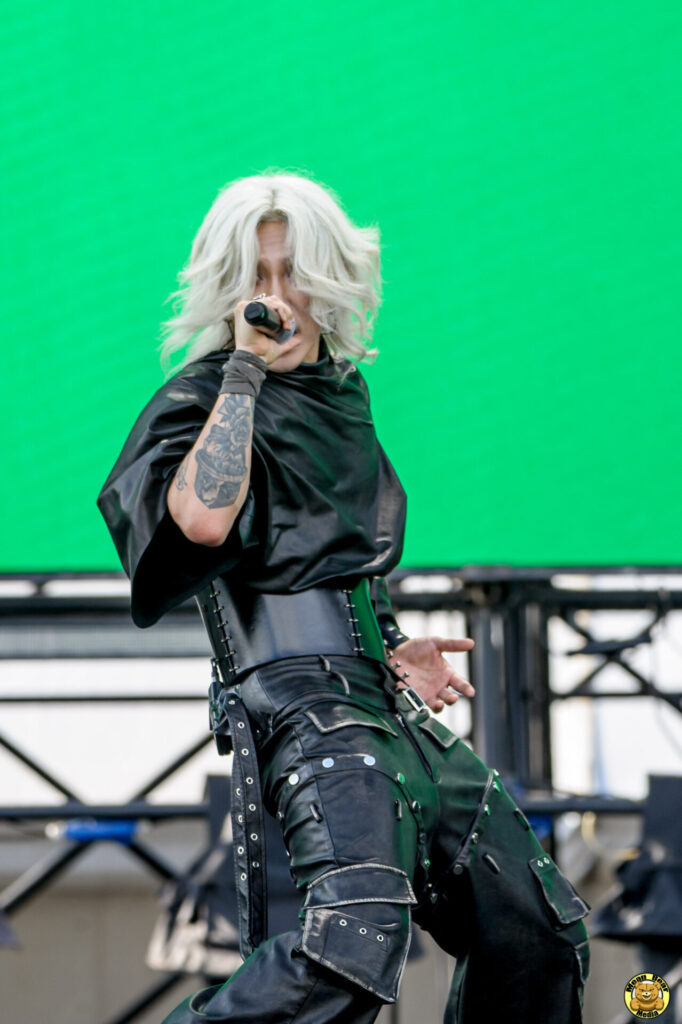
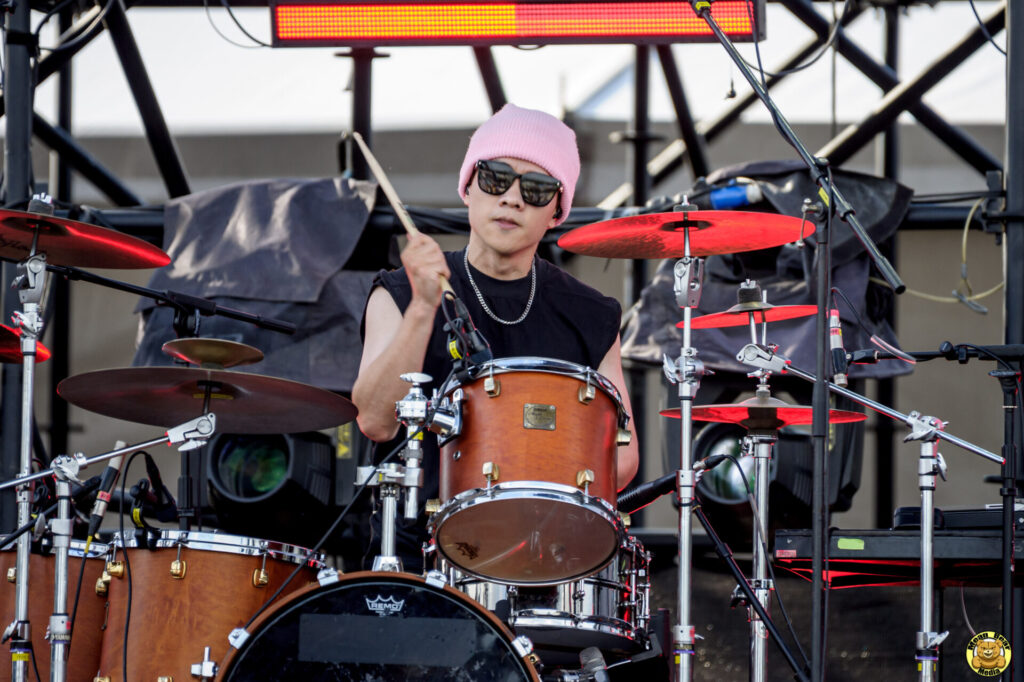
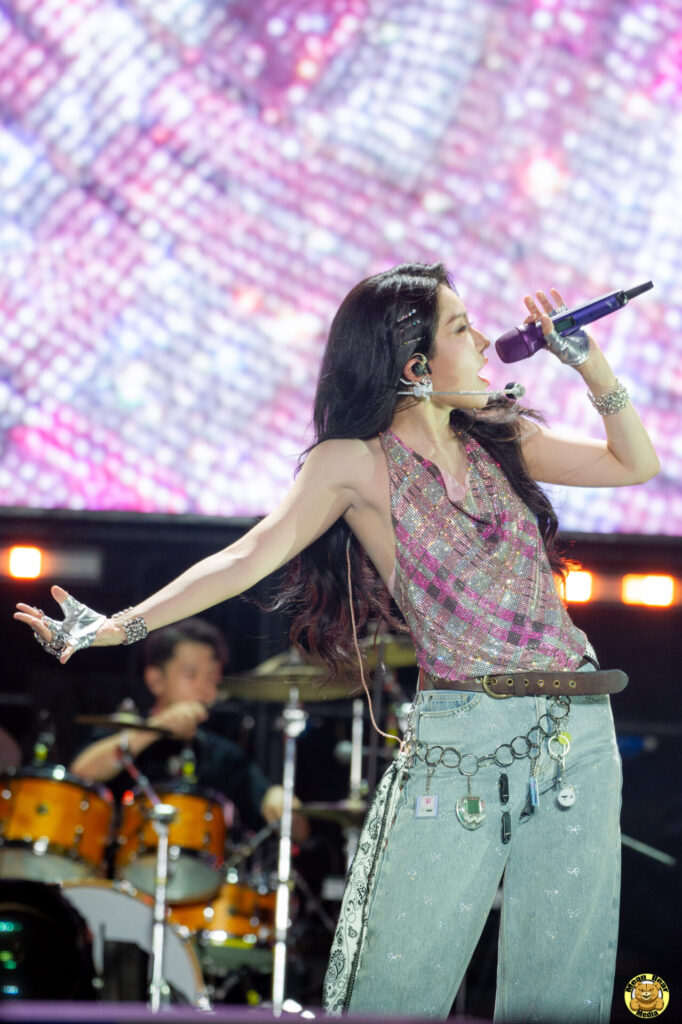
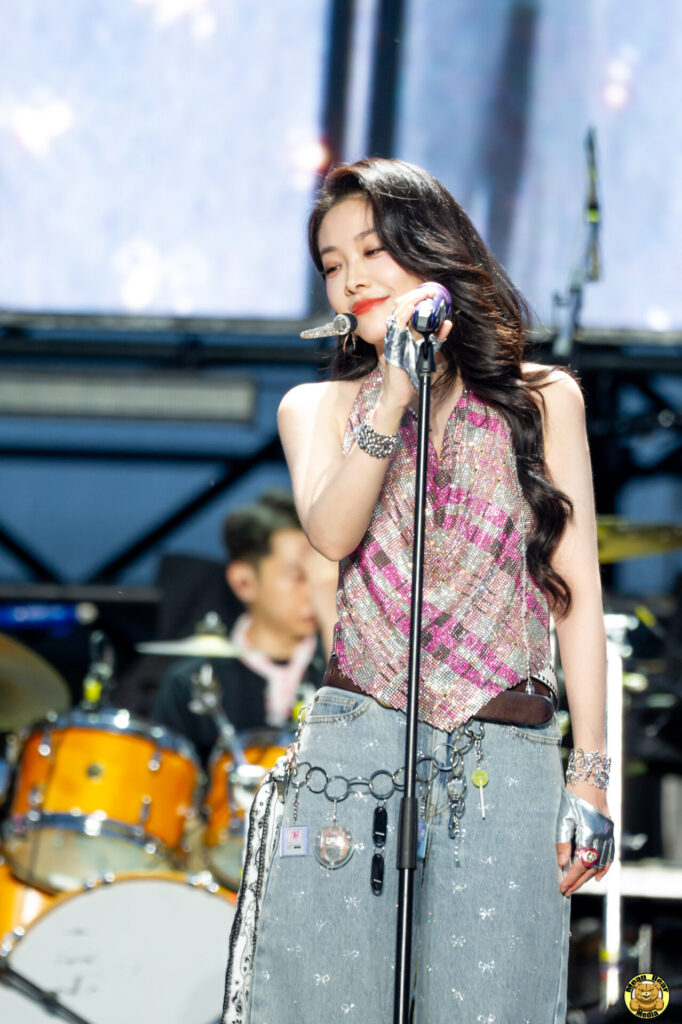
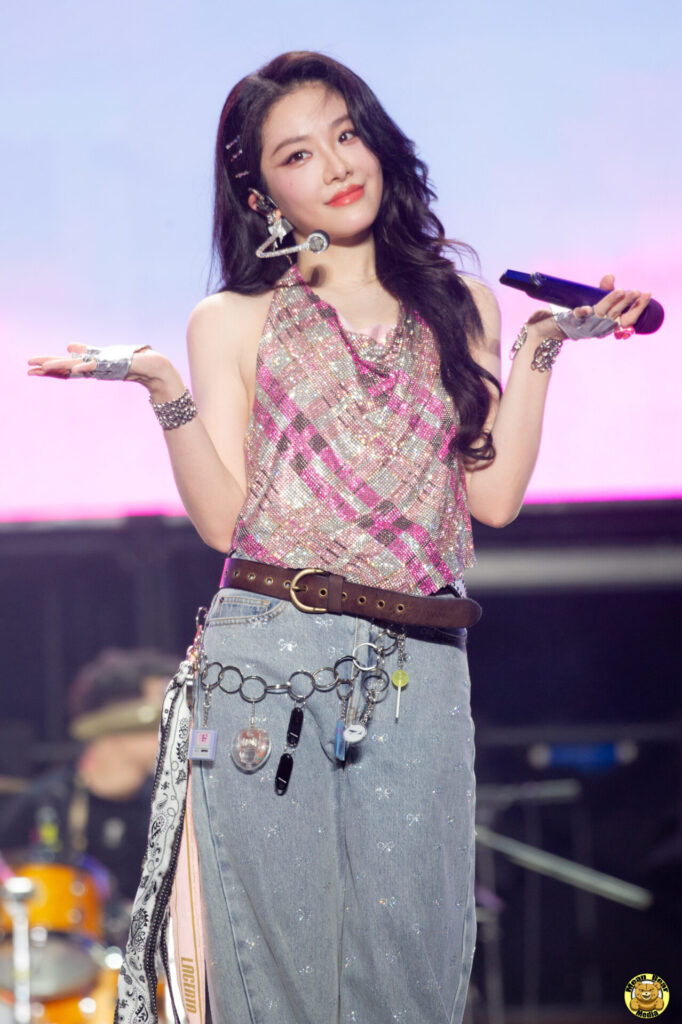
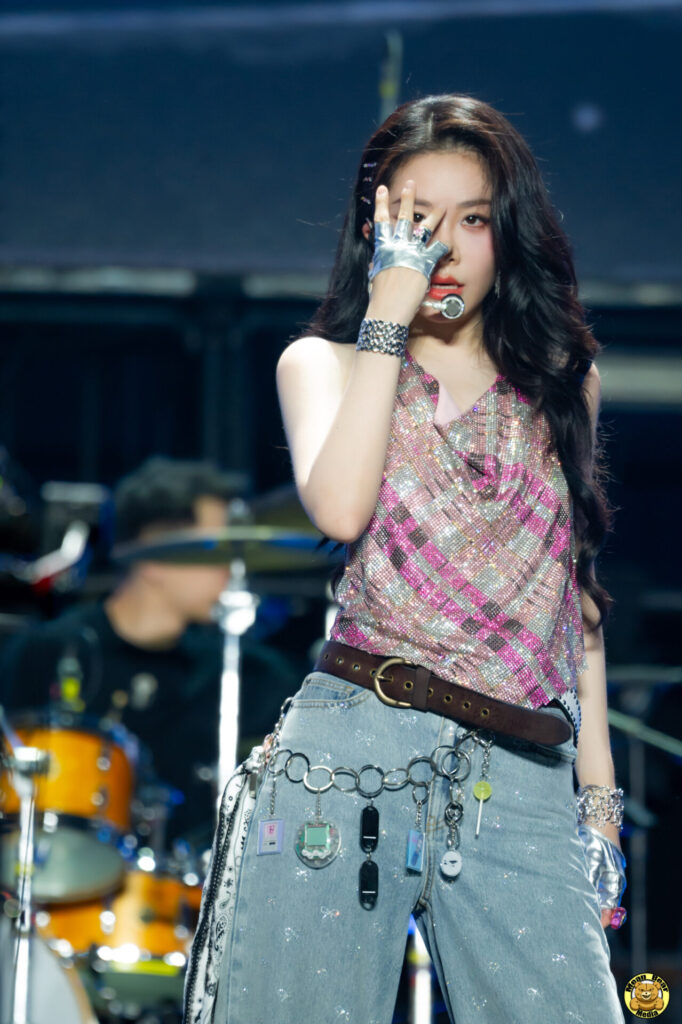
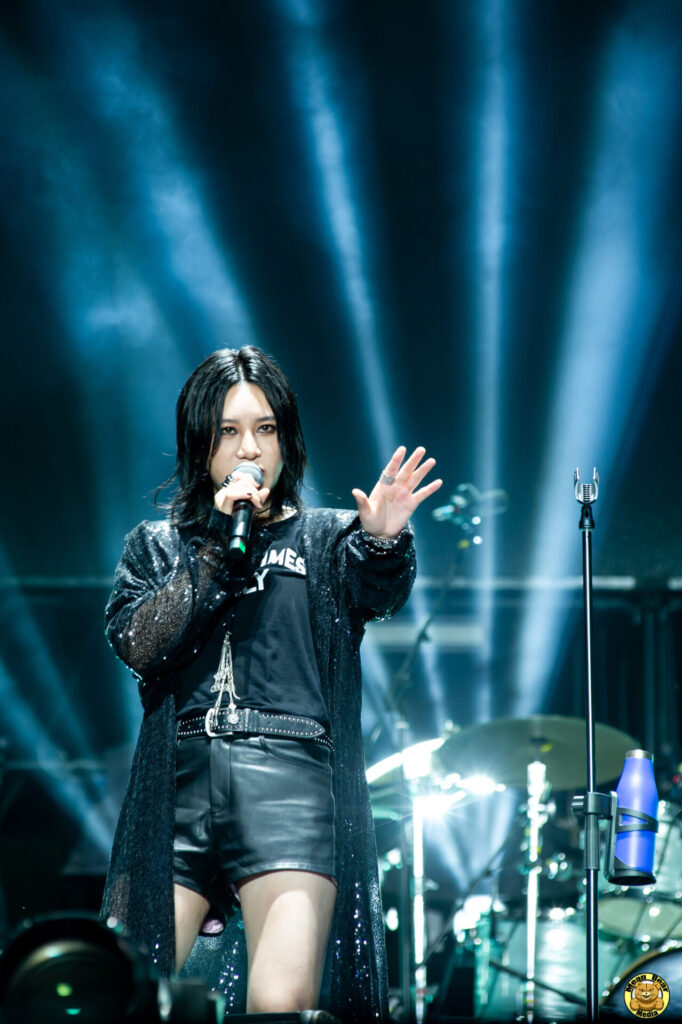
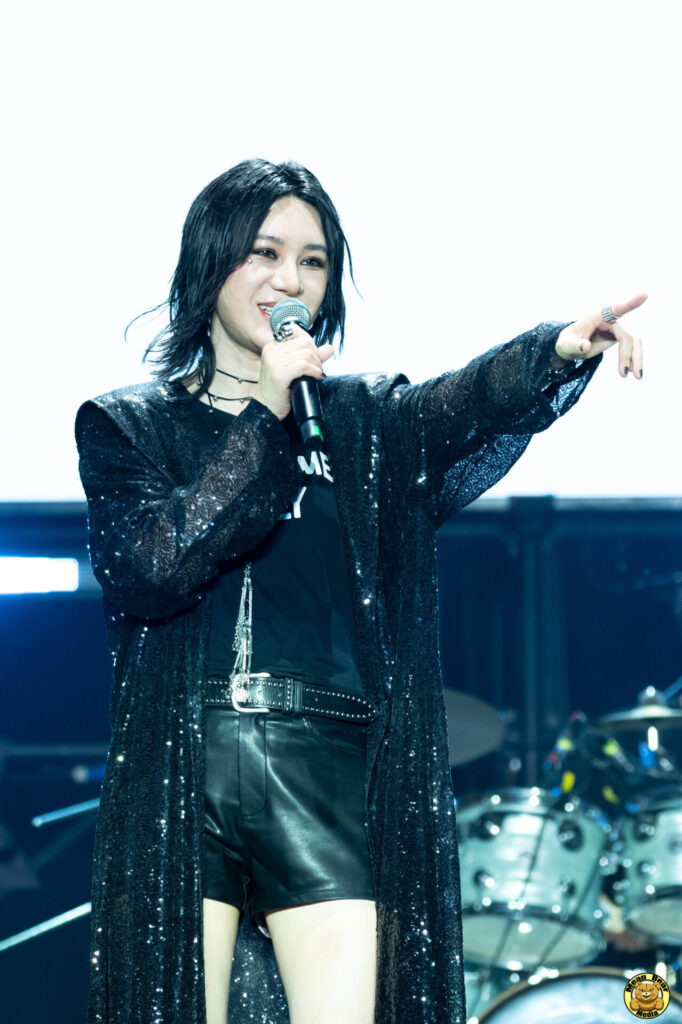
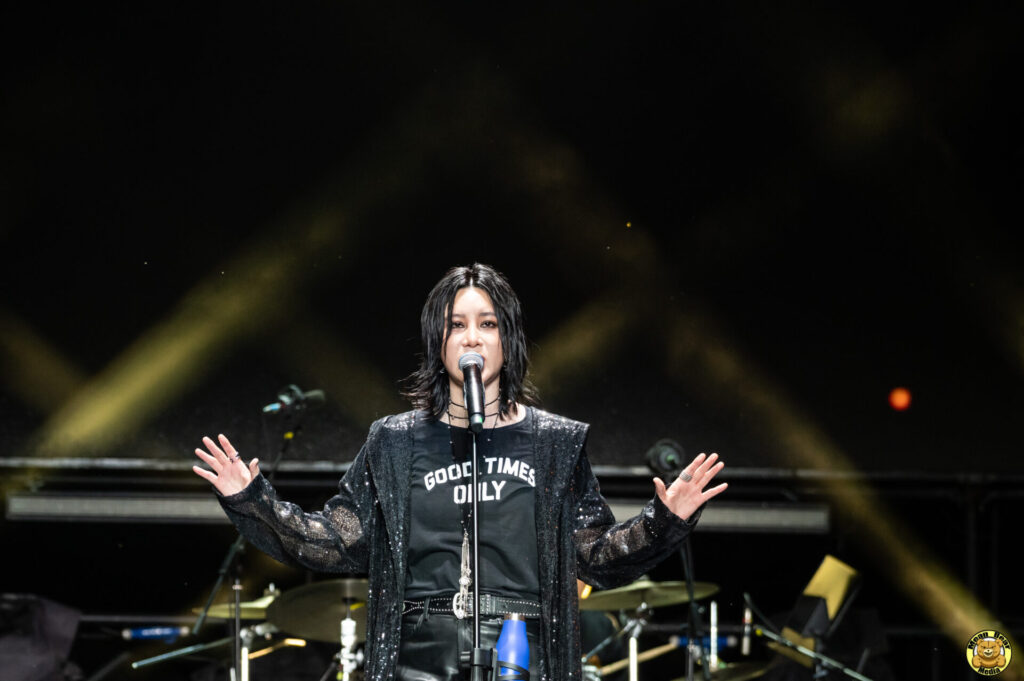
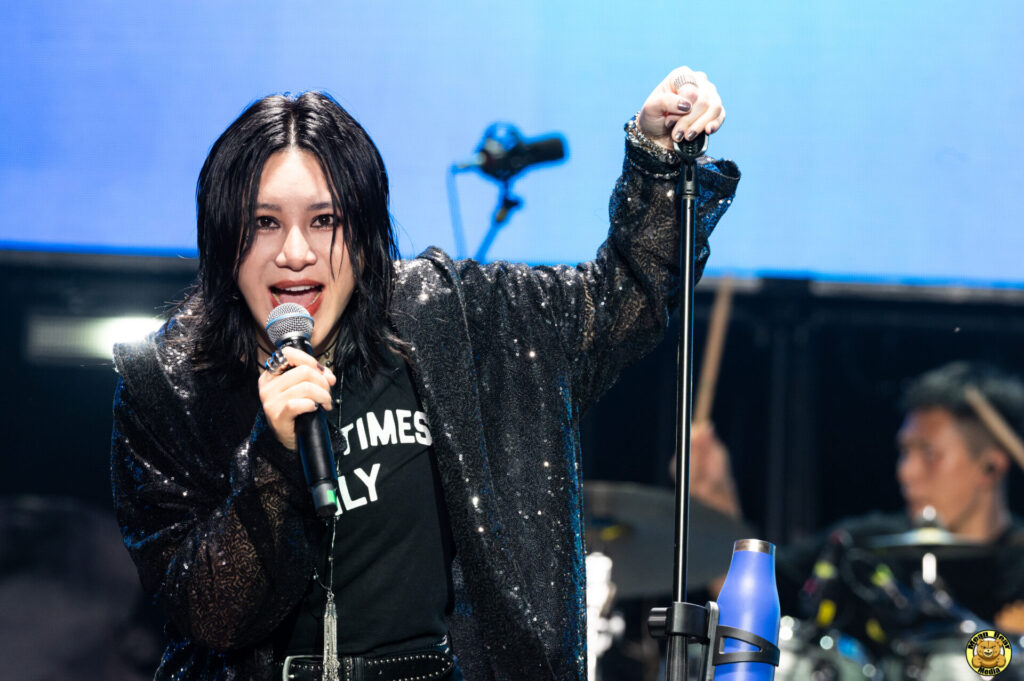
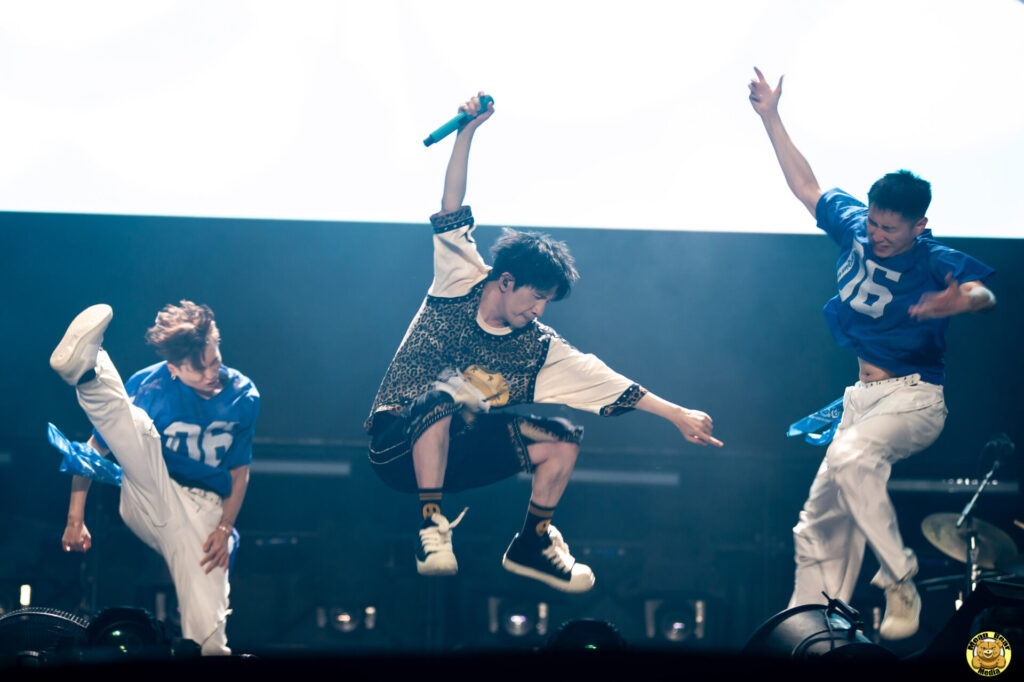
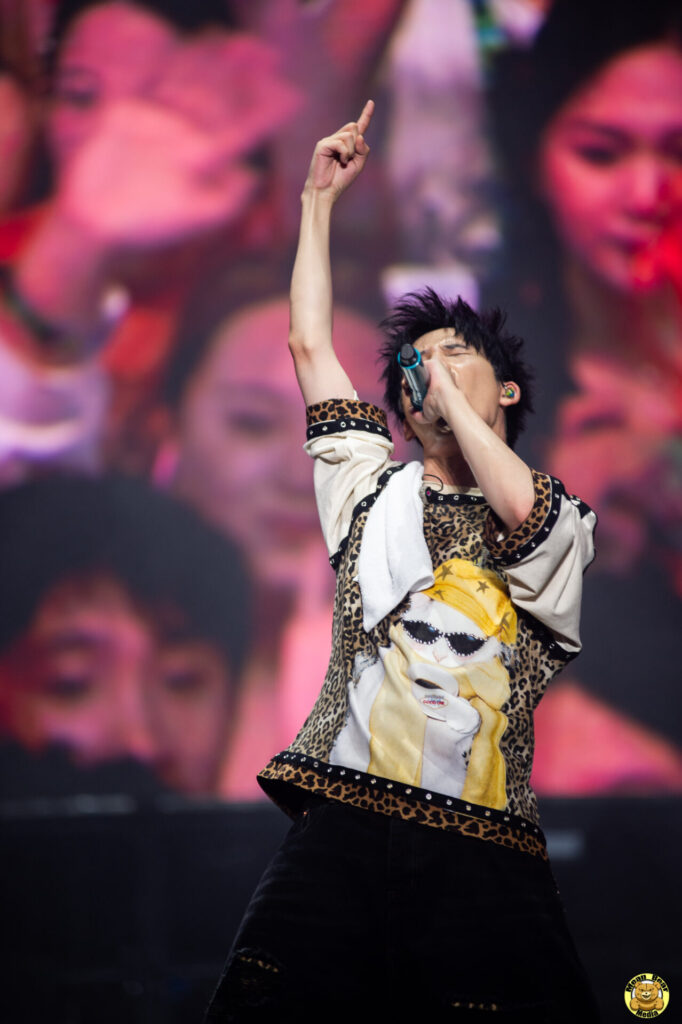
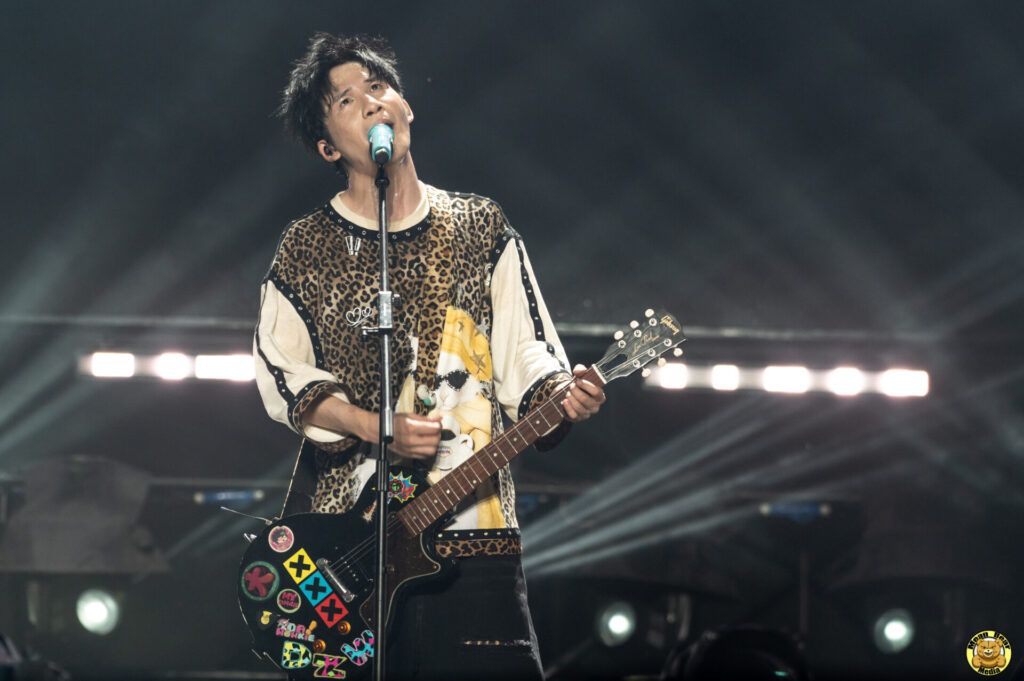
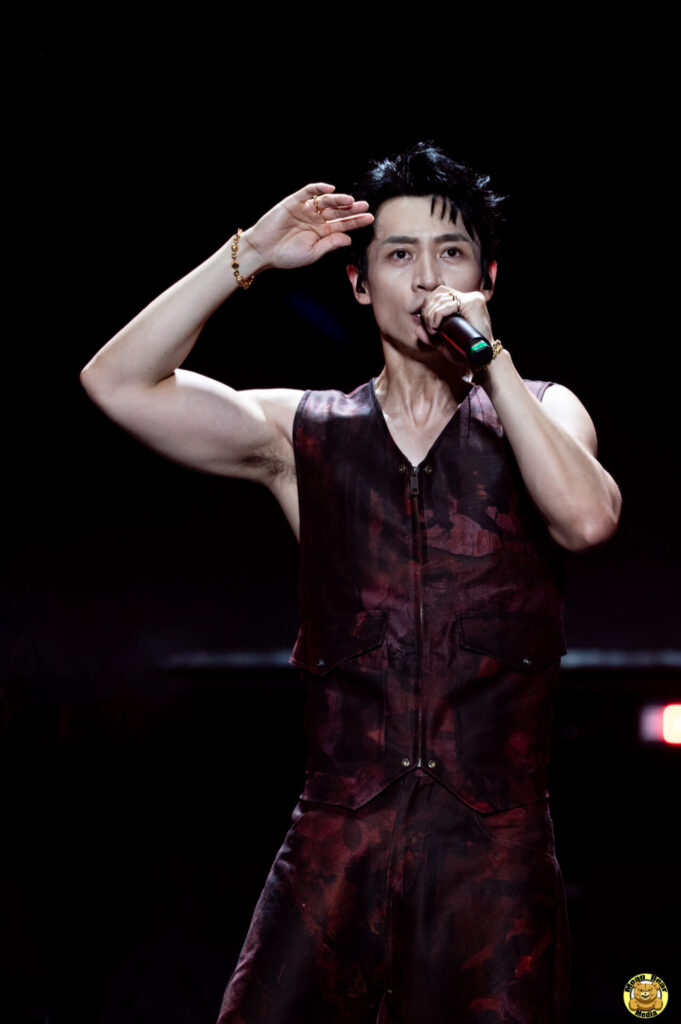
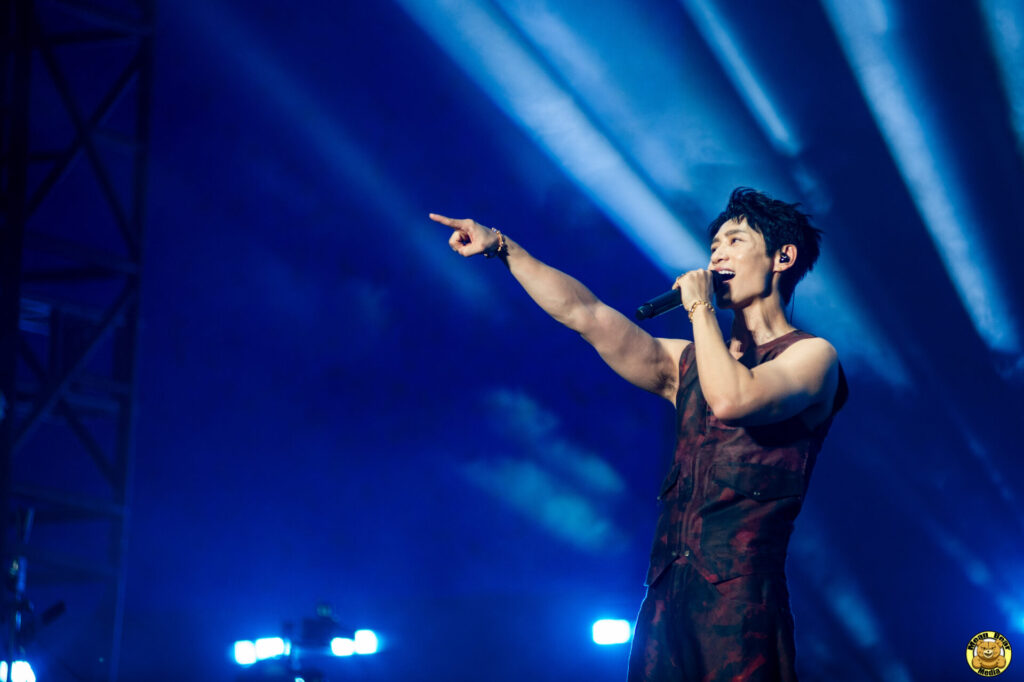
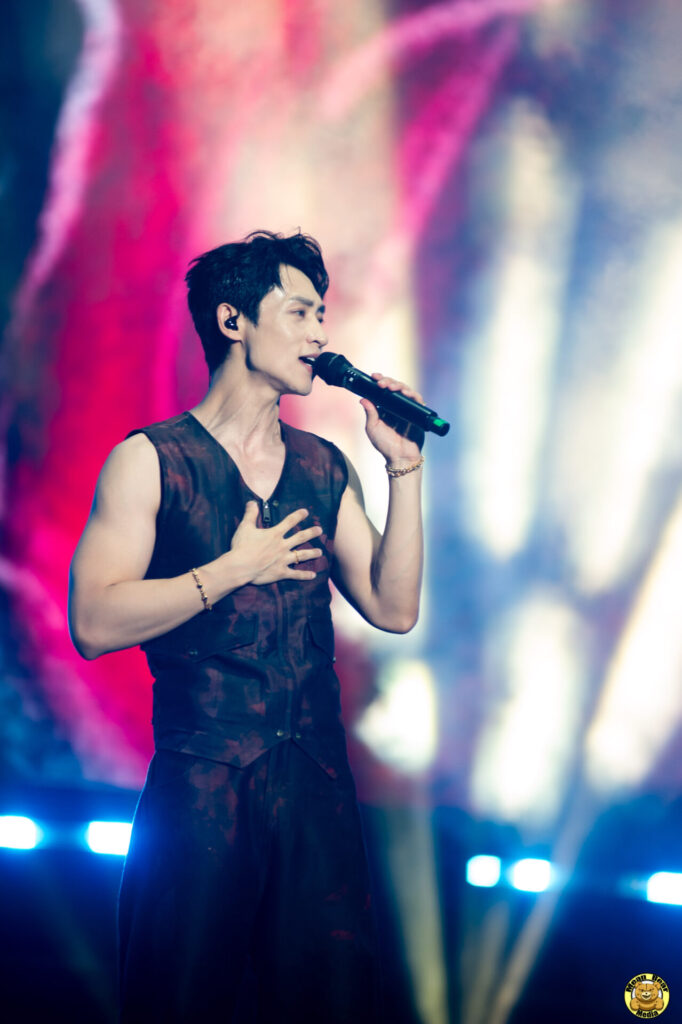
Another huge problem with some of the pop shows in China is the actual pit. People want to see their favorite stars and they think the pit is kind of like a Super VIP area, so many fans will try to get into the pit, using family connections, bribes or pretending to be a working pro so they can get a better view of the show, but their great view comes at the expense of people who are actually working the show. So the pit is usually crammed with people for the last few performaces. As a photographer, that sucks as once you have a spot to shot from, you are stuck in that location until the end of the set, no moving around and if you leave your spot, it is gone.
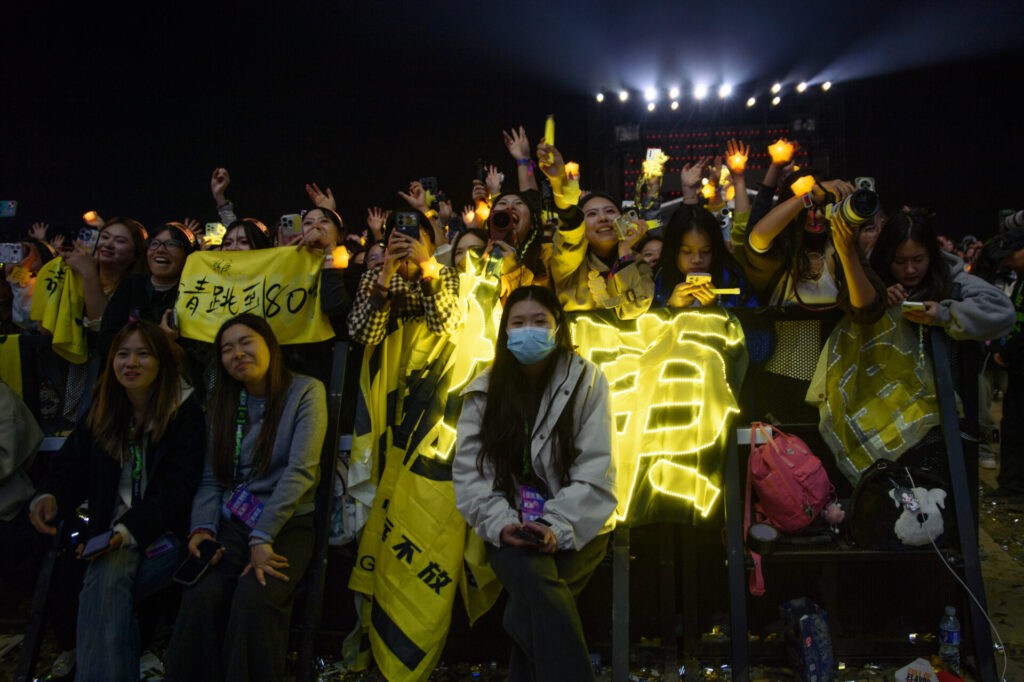
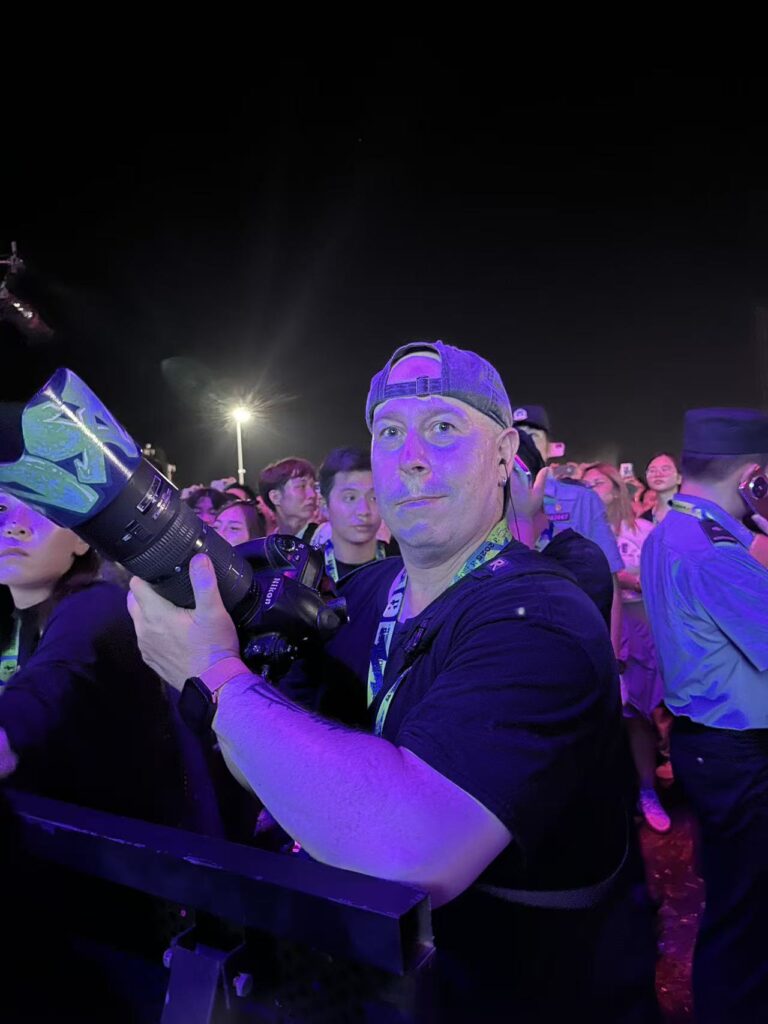
Photo taken by one of the organizers at the end of Day 2. I am stuck in front of the center stage, surrounded by police and crazy fans. I would prefer to work the pit and shoot from different angles but I got stuck here for the last 3 bands and shot the best that I could.
By the end of Day 2, as the final notes faded and the crowds dispersed, I was beyond relieved. The heat had been brutal—temperatures pushing 40°C+ made this one of the toughest festivals I’ve shot. I was probably flirting with heatstroke by then; I felt awful, drained, and nauseous. But the job doesn’t pause for feeling sick—you push through, deliver, and keep moving.
That evening, after grabbing a few last shots of the crew tearing down, I wrapped up edits on the full set of images and uploaded everything promptly. The next day was pure travel: multiple trains back home, no chance to sit and edit en route. Better to front-load it while still on-site.
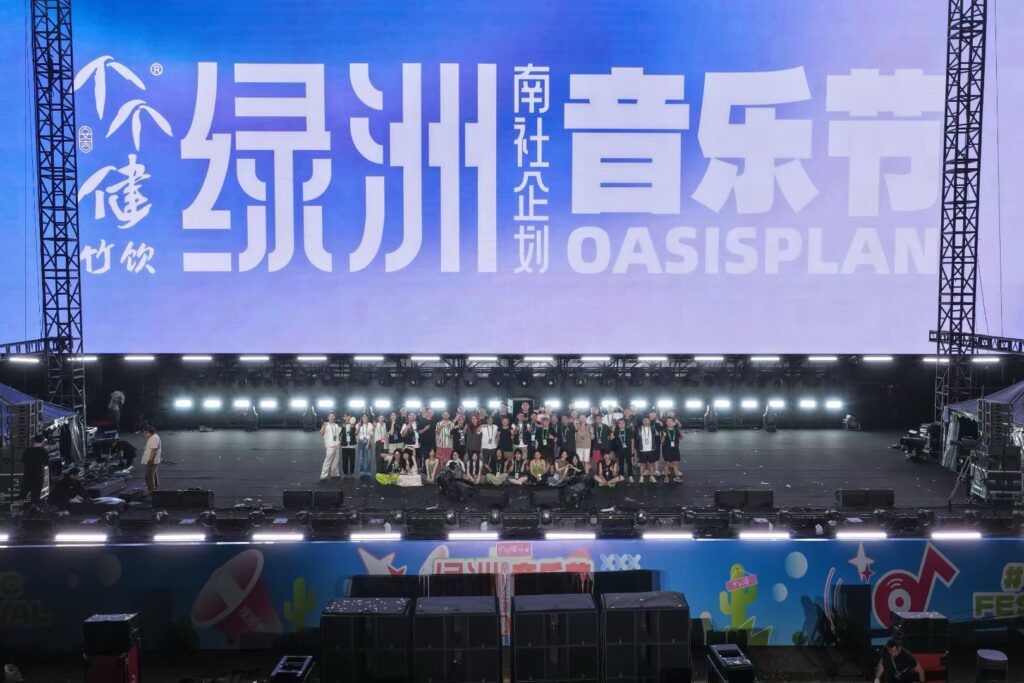
All the staff working in the festival.
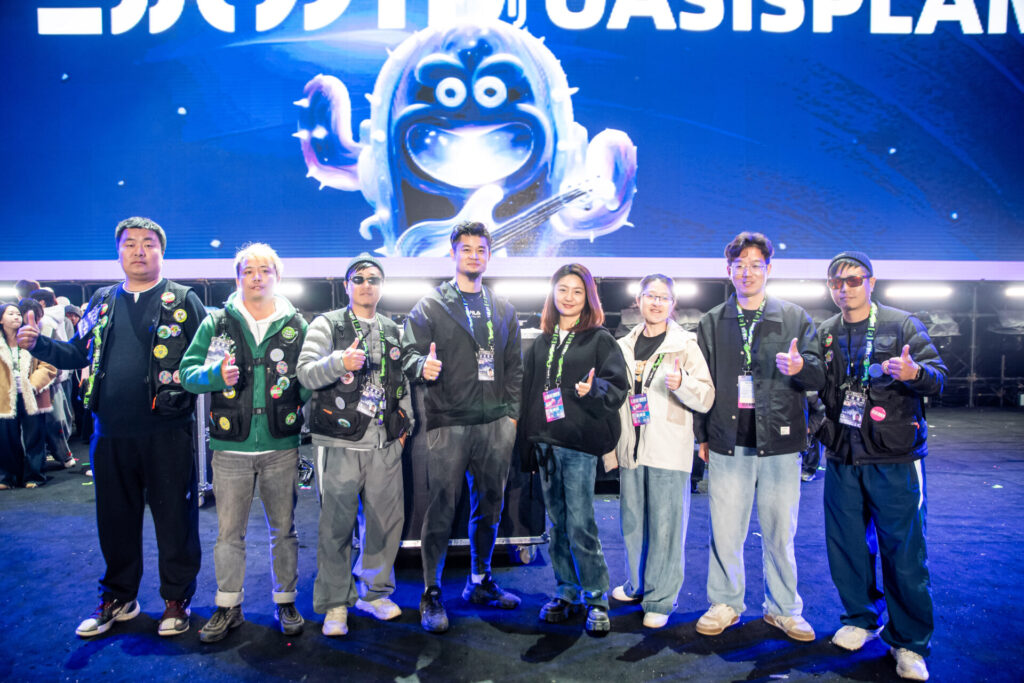
Overall, Anji was a fun one—some experiments (especially the iPad workflow) paid off big time, even if the infrared didn’t land and the pop-day chaos tested my dodging skills. The unrelenting summer sun was the real enemy, though.
With school holidays winding down, I’m finally getting about three weeks of downtime to recover, recharge, and sort through the backlog. Festivals will pick up again in October around National Day, kicking off the fall series before winter shuts down most outdoor events. Then it’s back to smaller, indoor livehouses until spring thaws things out.
Shaun.