

Leica M’s at Music festivals
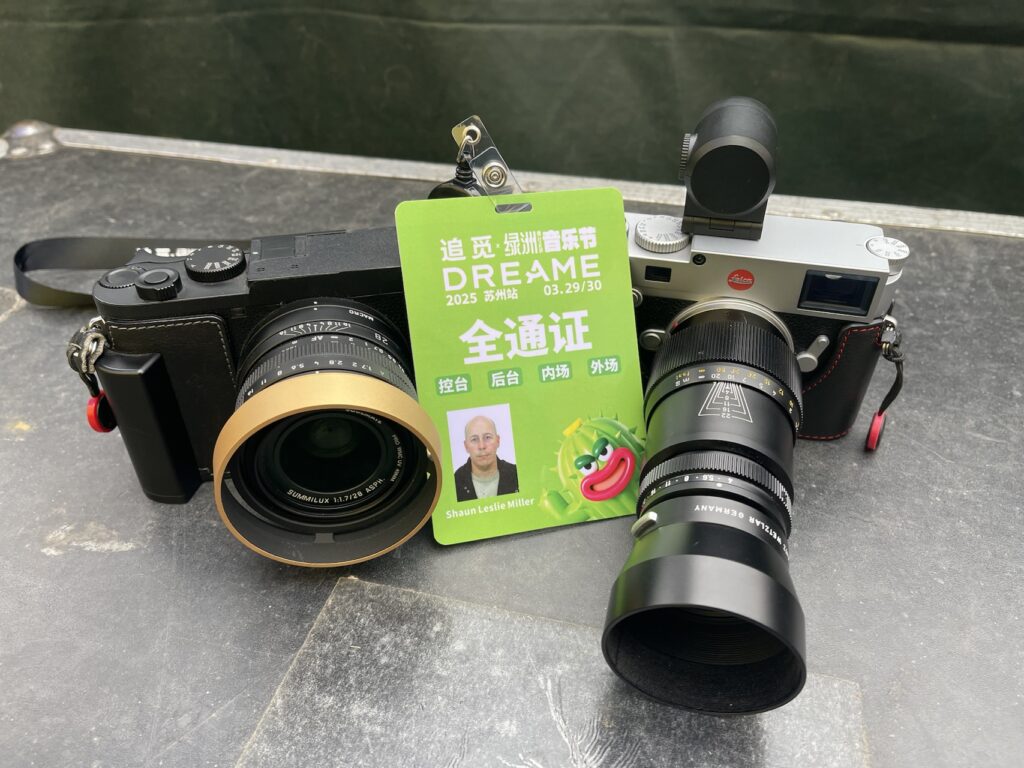
I’ve always wanted to use my Leicas at a music festival, especially after seeing all the work from Jim Marshall. The idea of trying to capture similar kinds of images was extremely appealing. I’ve been shooting with rangefinder-style cameras for a while now, so I thought I’d manage without much trouble. I was wrong.

Gear Limitations
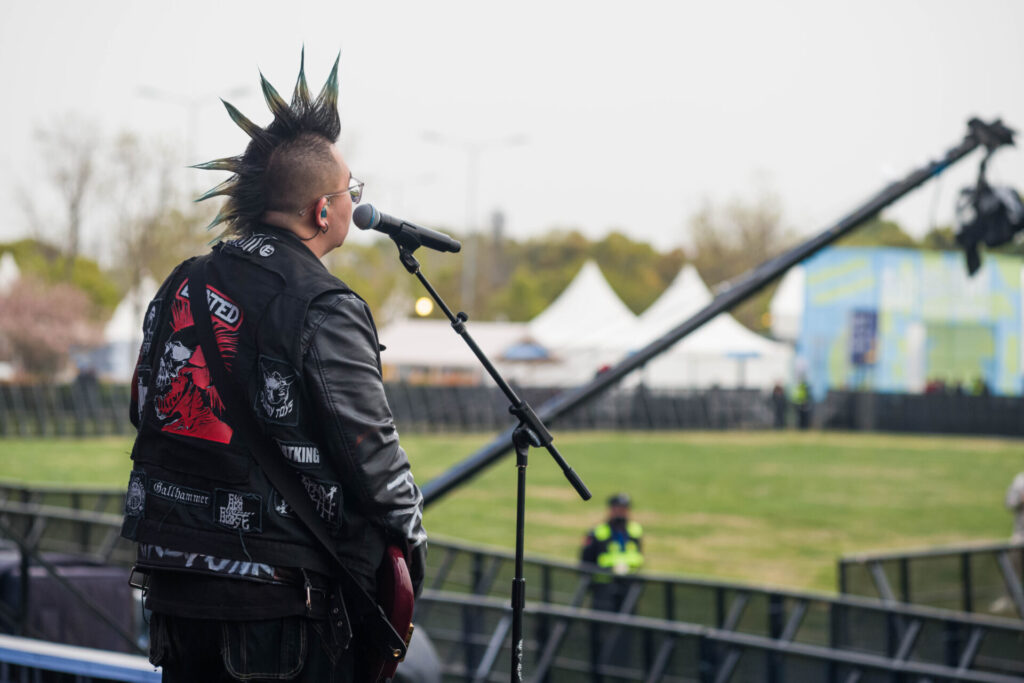
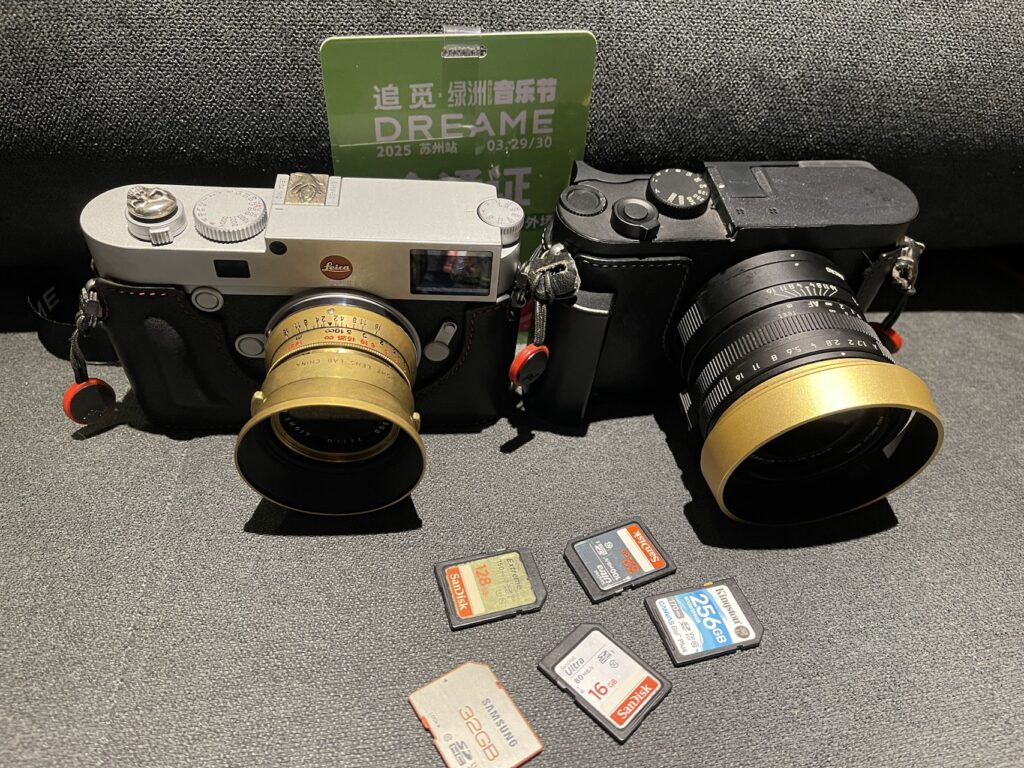
The first big problem with shooting Leica M’s at festivals is lens selection. In my everyday non-work shooting with the Leica M and Bessa T101, I usually use 35mm, 50mm, and 90mm lenses. At a massive festival stage in China, those are essentially useless. A 50mm can capture the full stage, but it’s far too short for actual shots of the performers. That left me with the 90mm f/2 and the 135mm f/4.
The 90mm was still too short from the pit, though I could use it from stage sides thanks to my full-access pass.
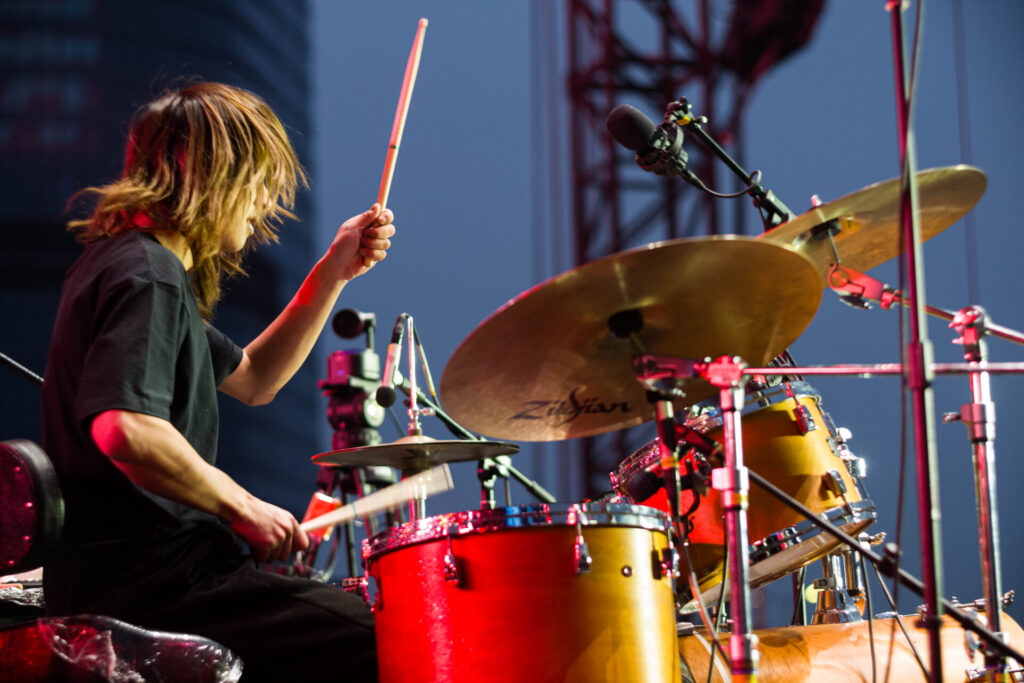
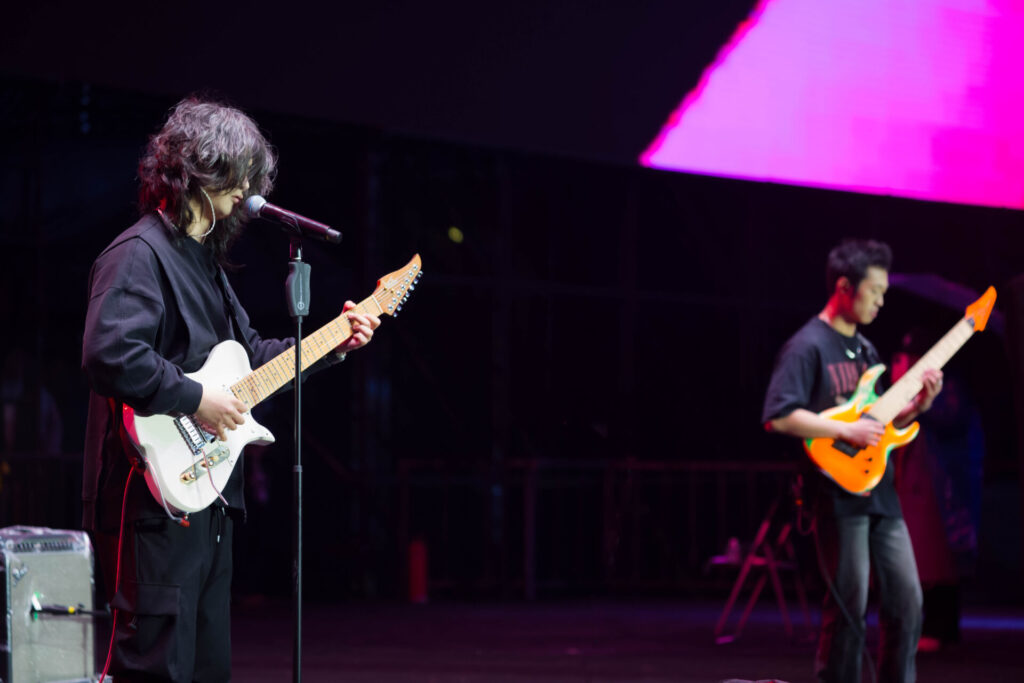
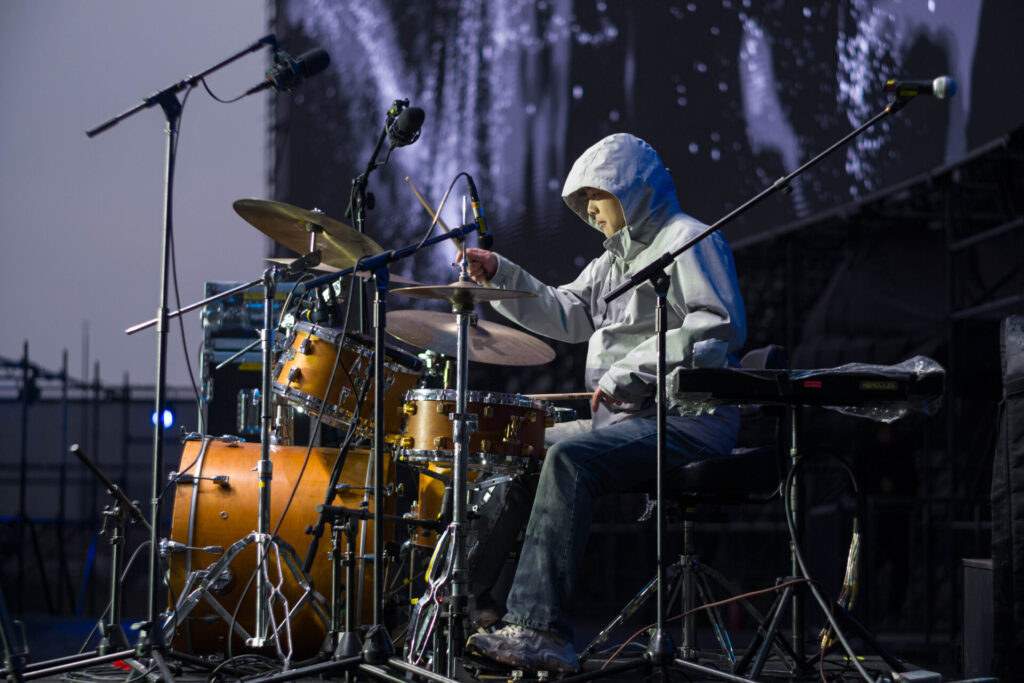
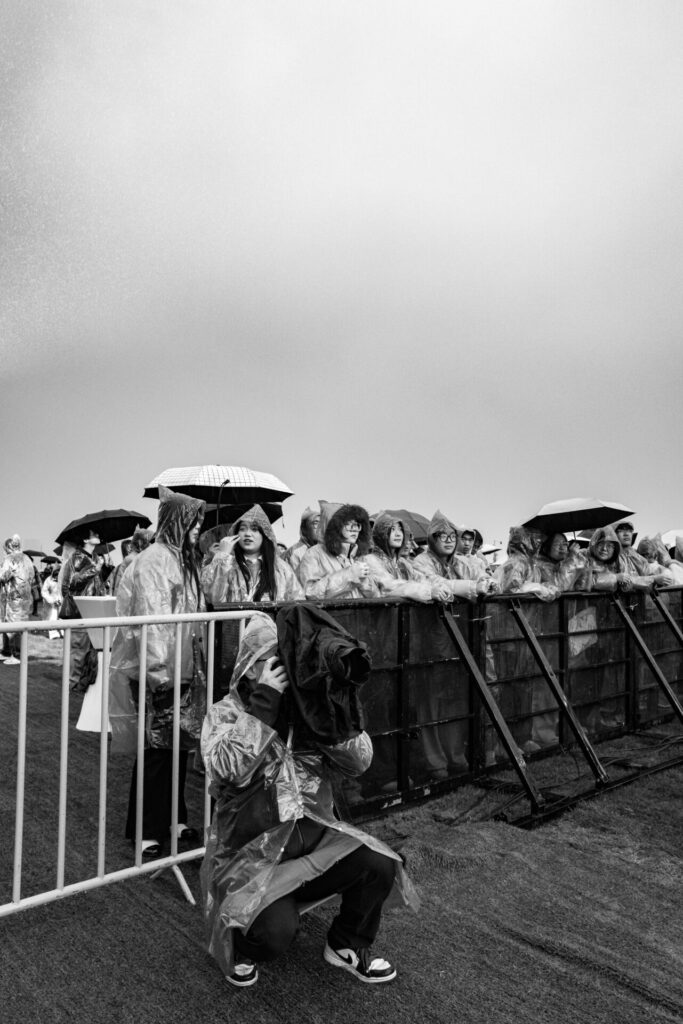
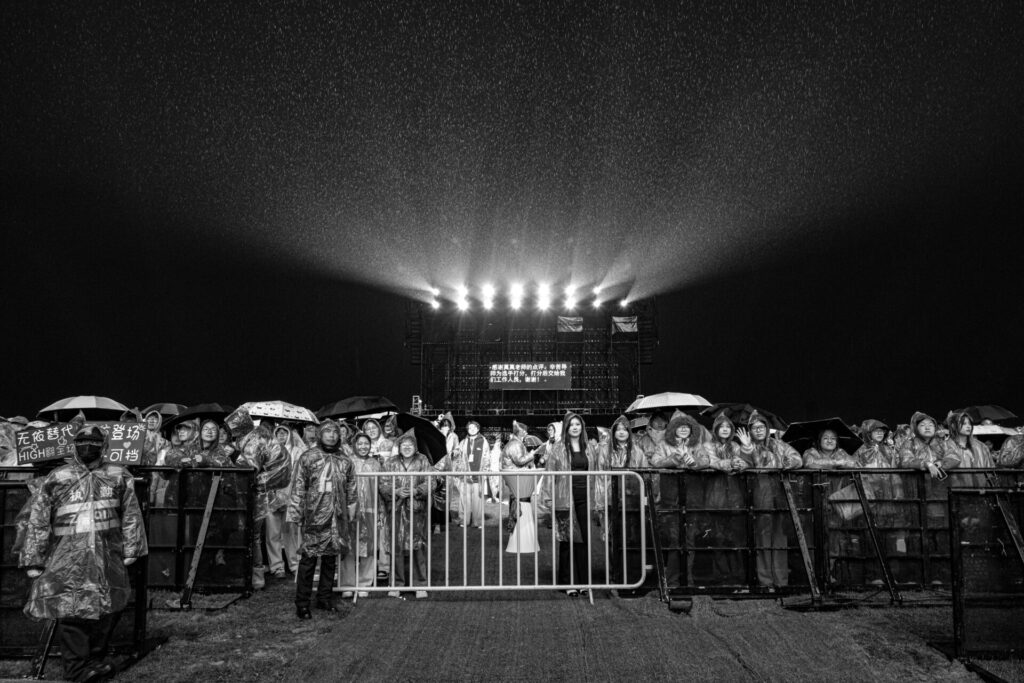
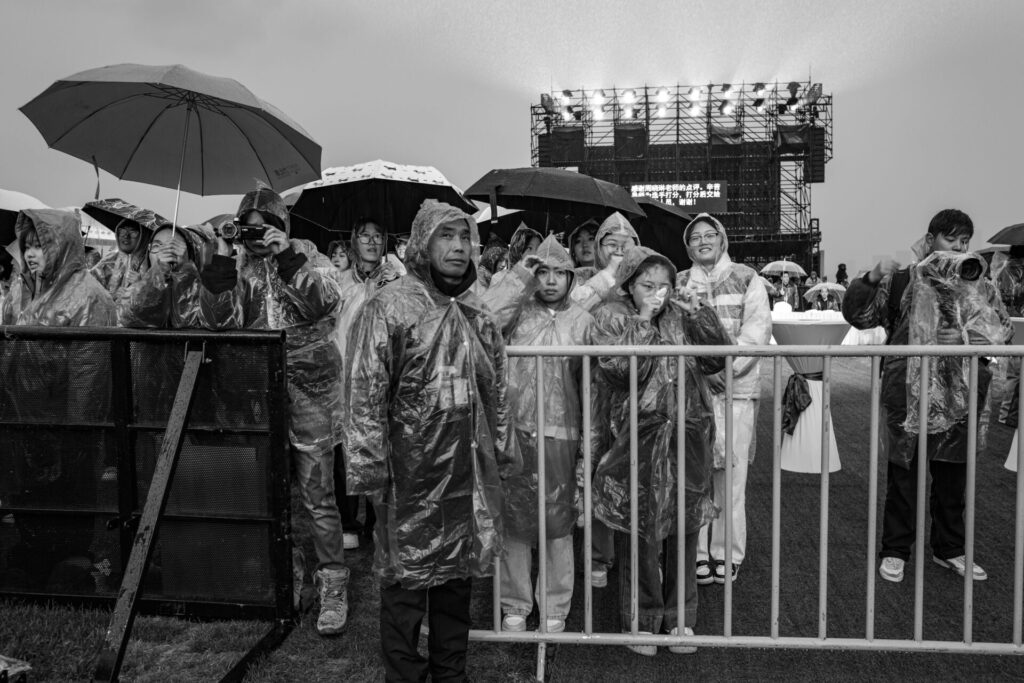
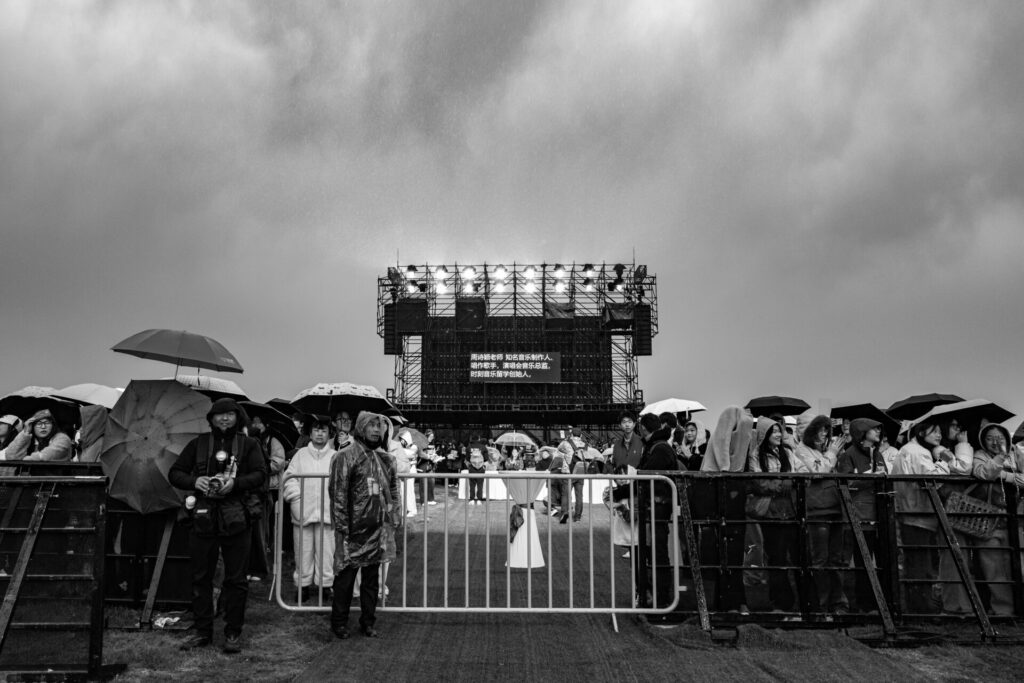
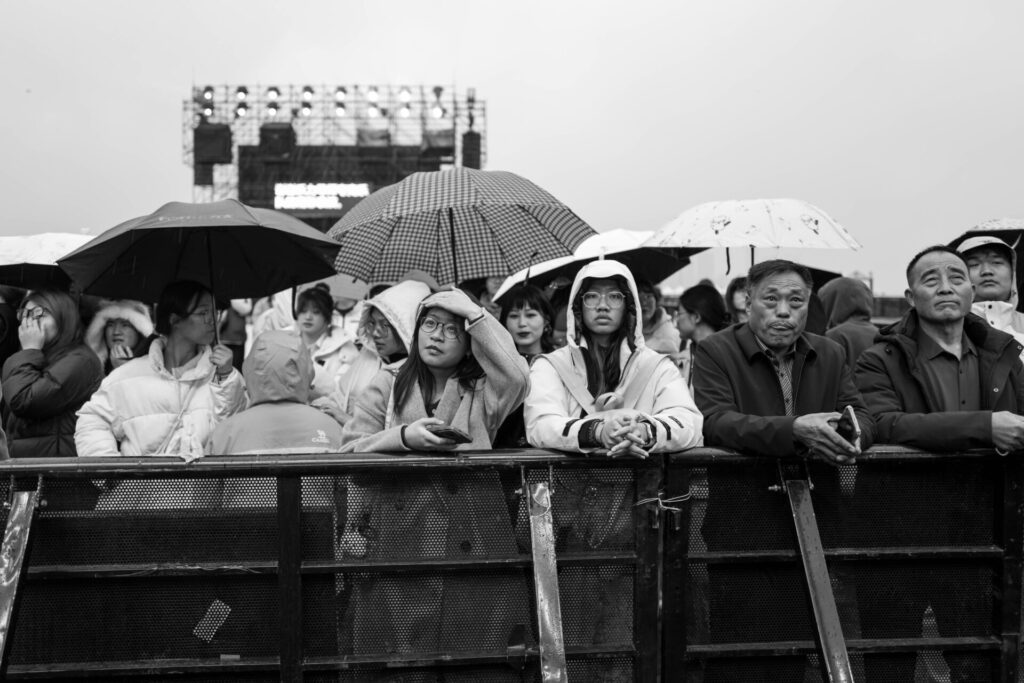
In the end, the 90mm worked best for crowd shots, as the pits in China are huge and the lens gave me decent reach there.
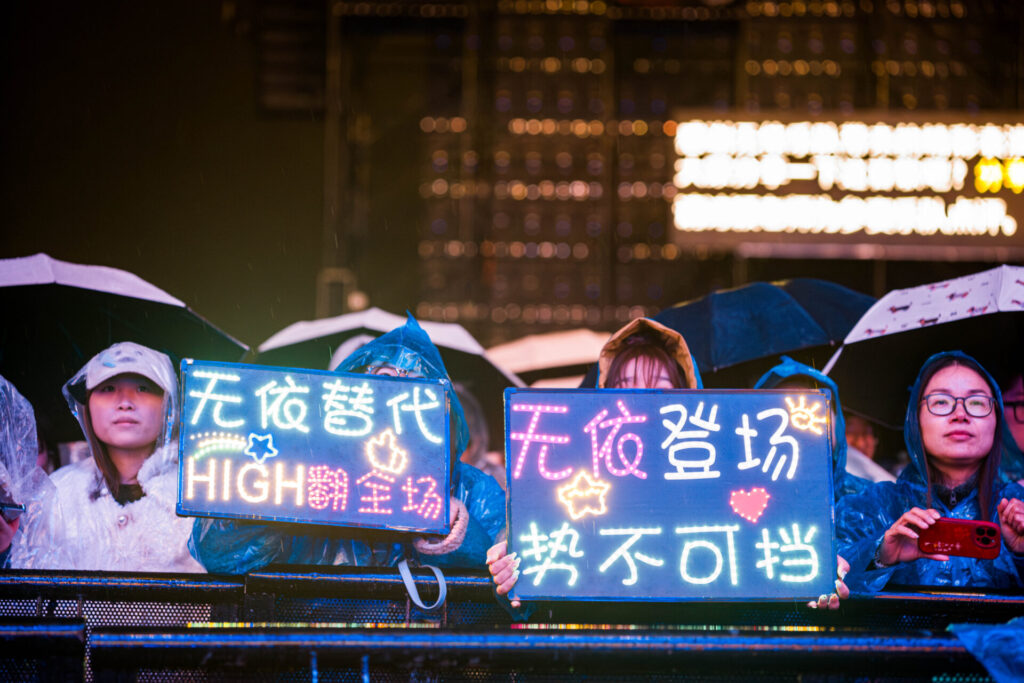
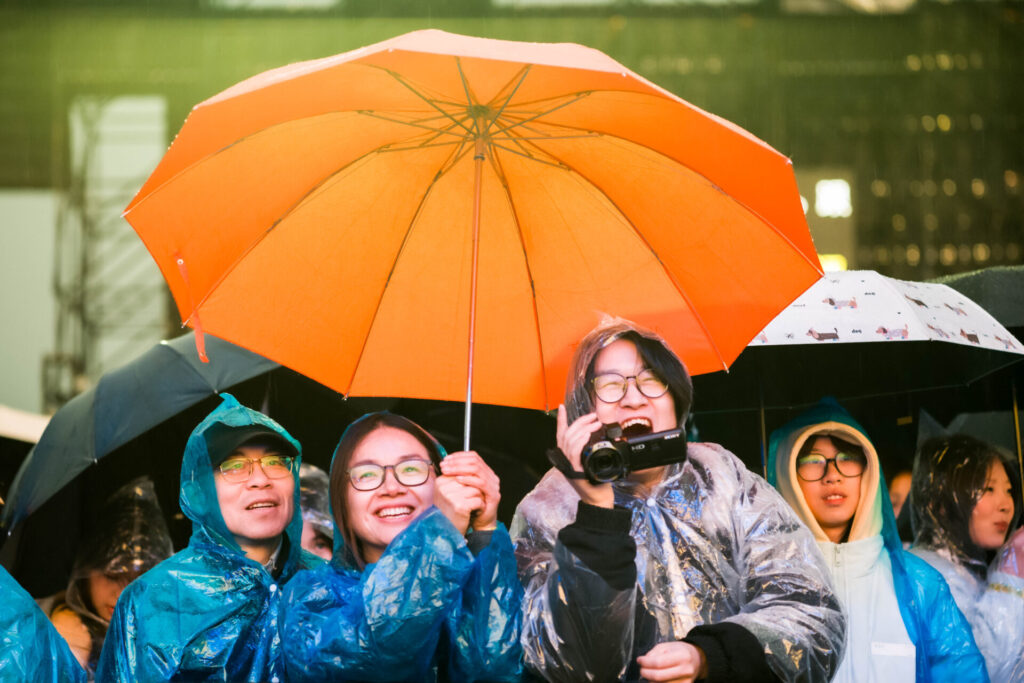
Focusing Struggles
Focusing the Summicron 90mm f/2 with the rangefinder was exhausting. I enjoy manual focus in normal shooting, but hours in the pit—constantly juggling focus, composition, and timing with performers and staff—was taxing. After two hours, I had a pounding headache from the concentration alone.
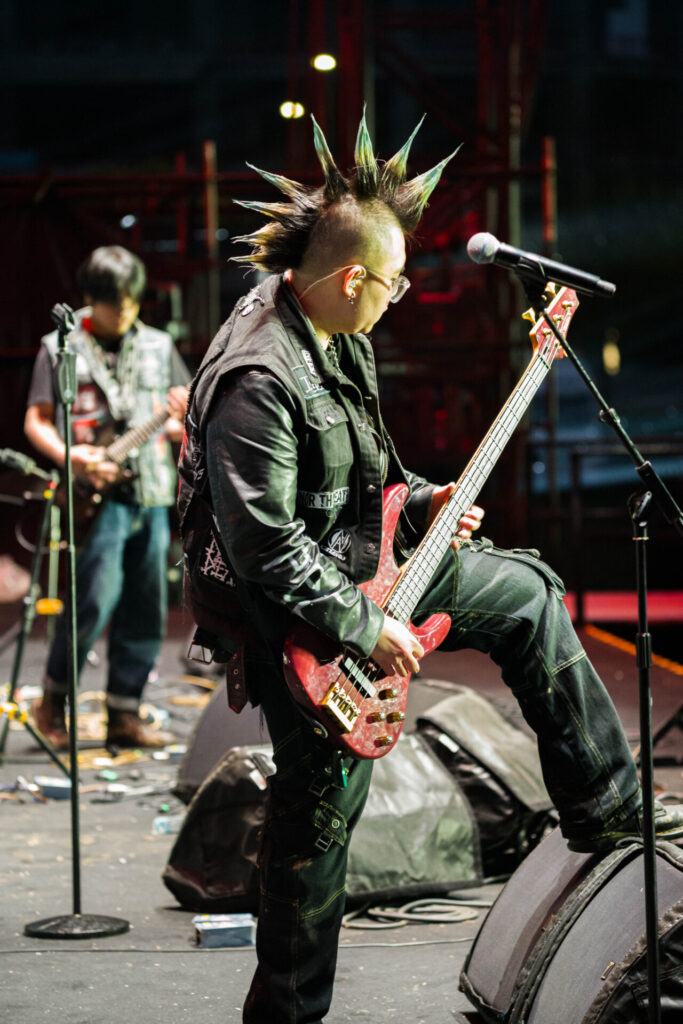
Still, the lens I used most was the Elmarit 135mm f/4. It gave me the reach I needed for artists on stage and from staircases near the pit. But focusing a 135mm with the rangefinder patch is nearly impossible once fatigue sets in. I had to switch to the EVF adapter to manage. While Leica M’s make manual focus on the EVF relatively easy, the Elmarit 135 is a poor stage lens.
At f/4, the depth of field is too deep, so the stage looks messy. And f/4 is simply too slow for music photography. By the end of the night I was shooting wide open at ISO 5000 (as high as I’ll go with the M10) and 1/90s—far too slow for live music. Ideally, you want at least 1/250s to freeze movement.
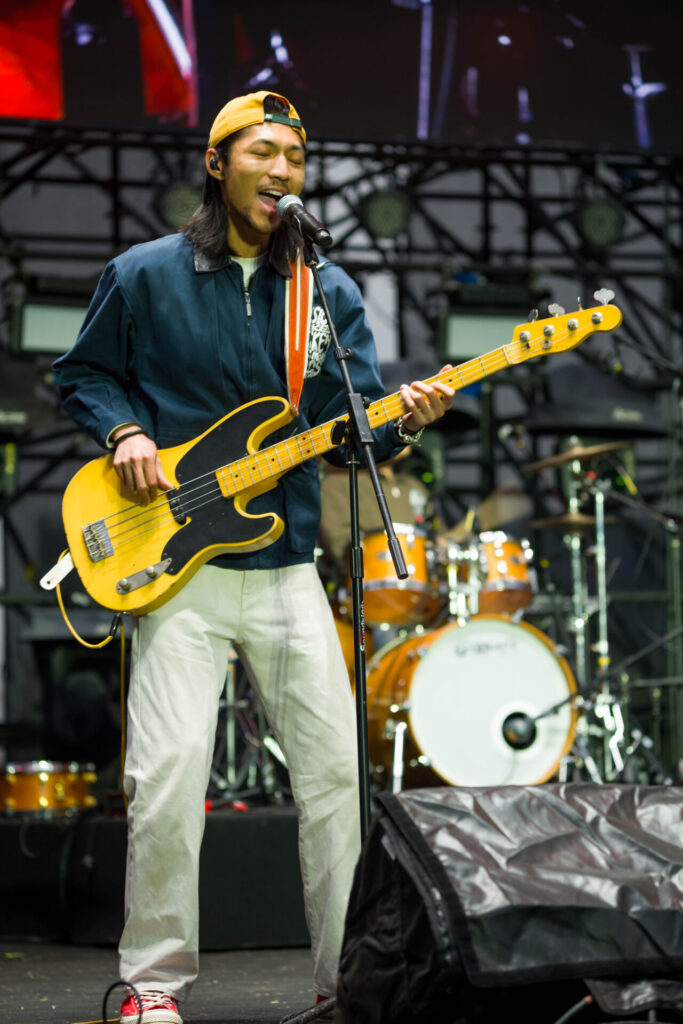
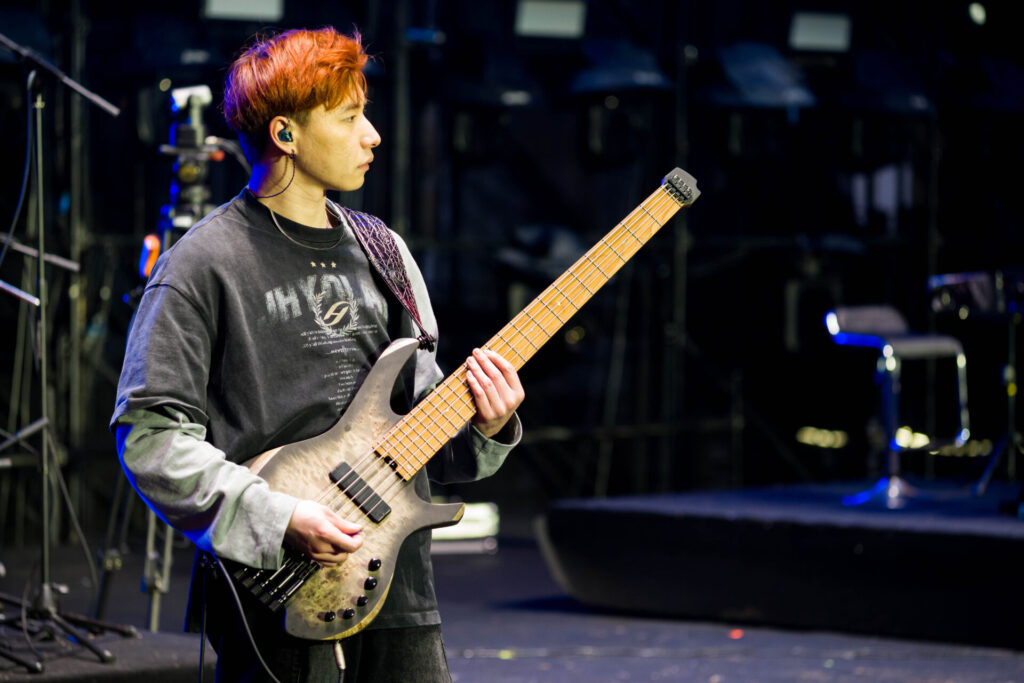
Weather and Battery Life
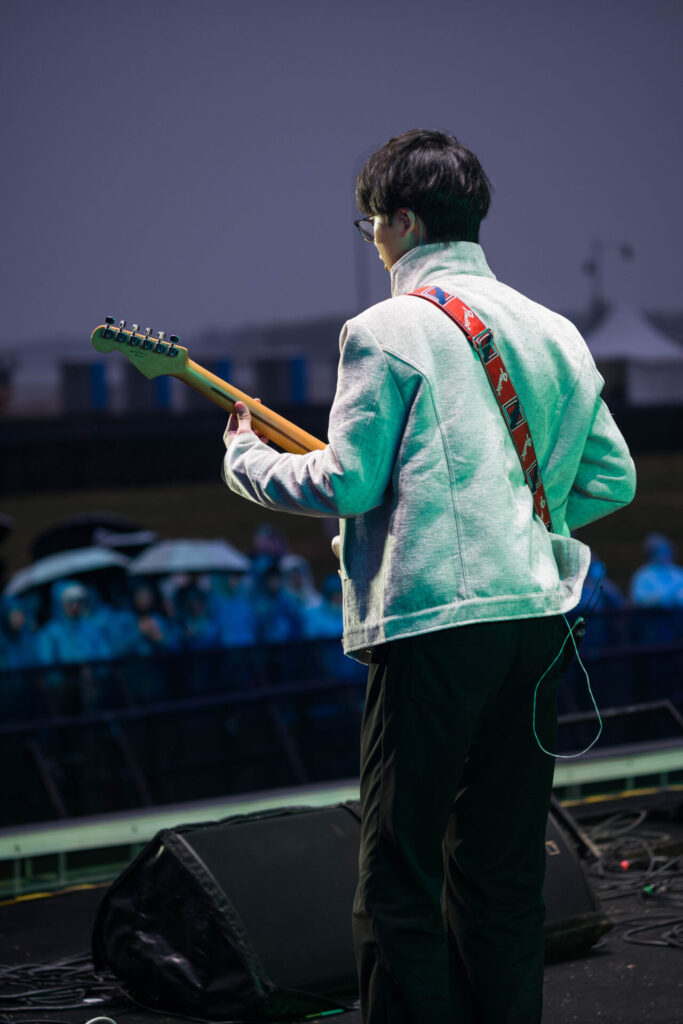
One positive: despite not being weather-sealed, the Leica M handled rain surprisingly well. The body got wet a few times in the pit and en route to the stage, but it never faltered.
The downside was battery life. Using the EVF drains power fast. I only own two M10 batteries, and to cover a full festival day I’d need at least seven or eight. Shooting with the EVF meant I had to ration shots carefully, which is not practical for professional work.
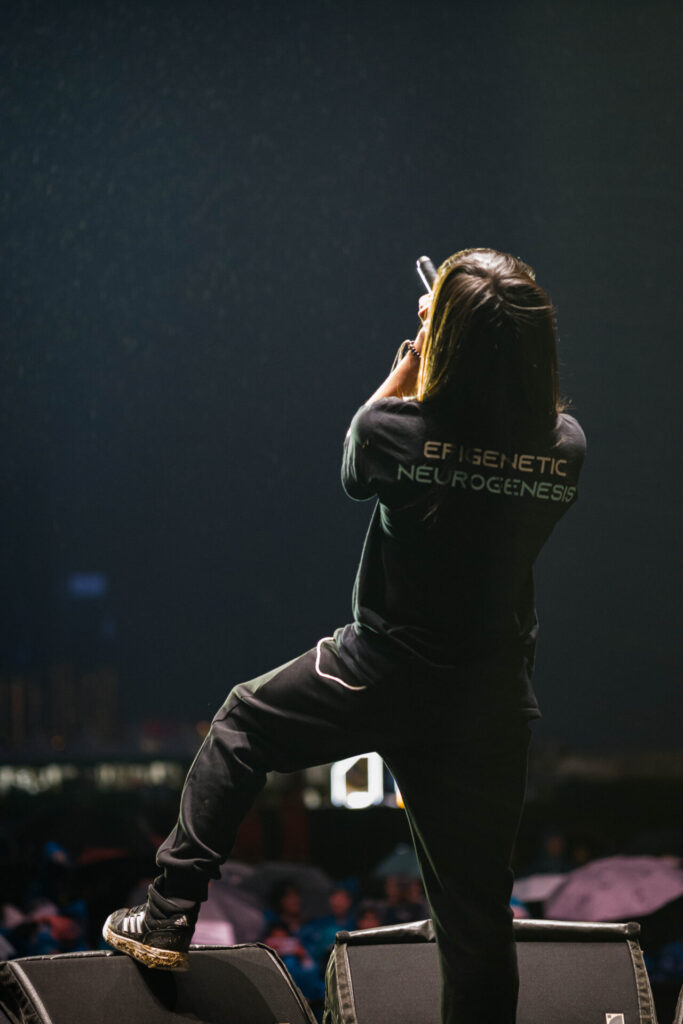
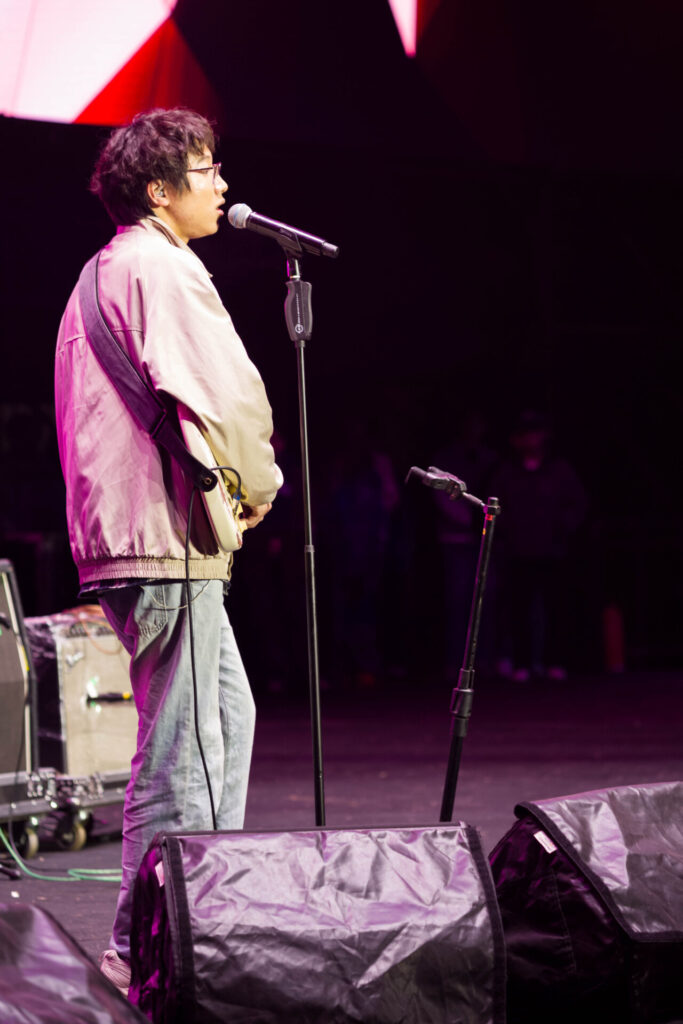
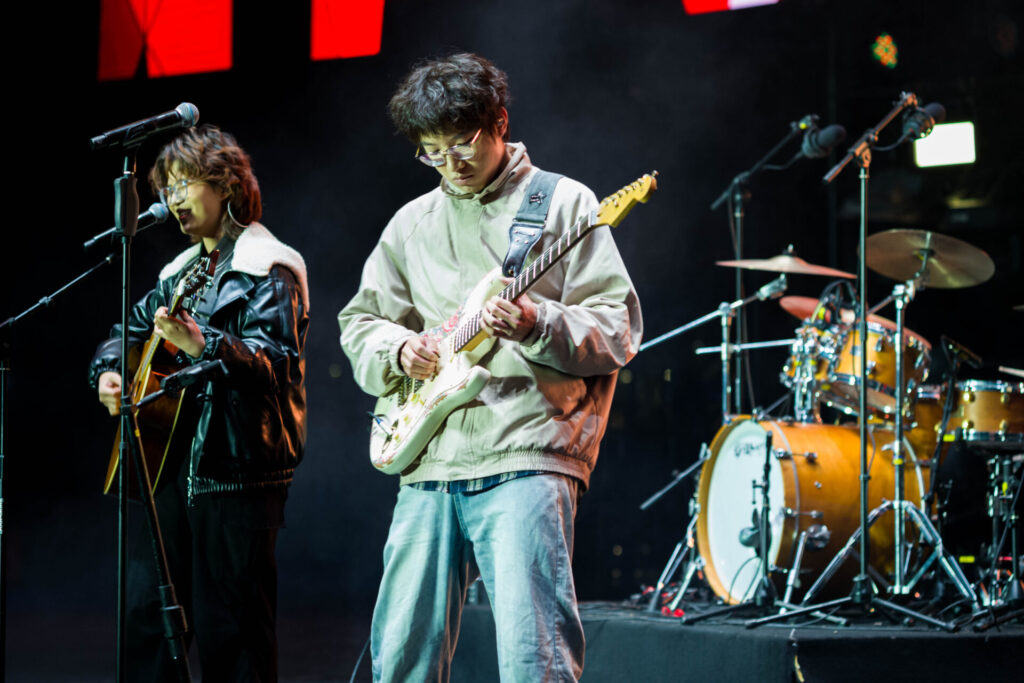
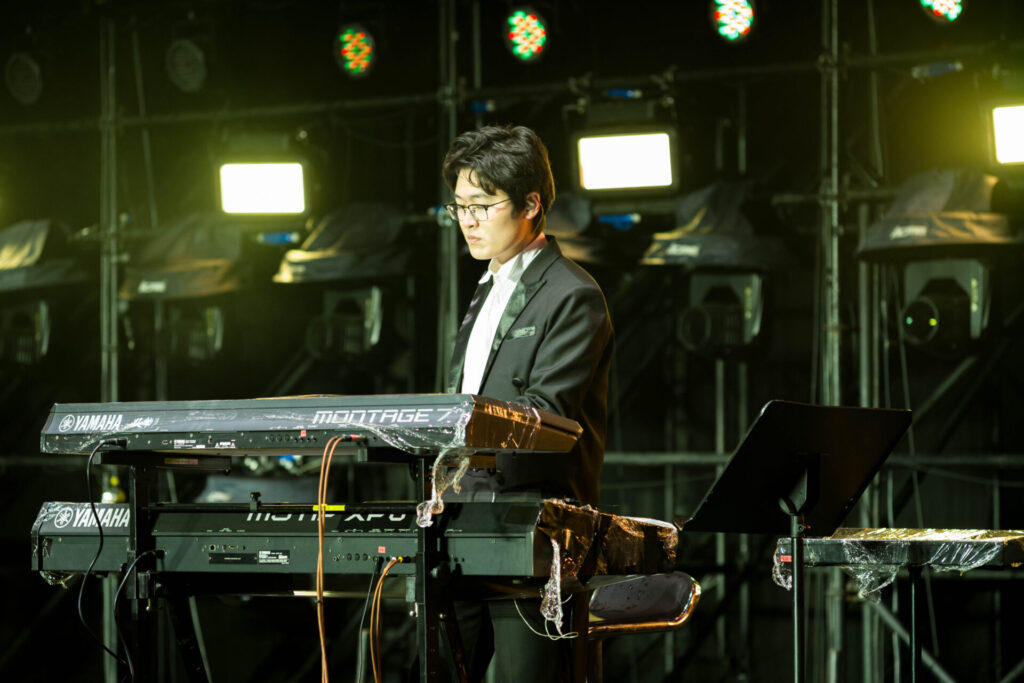
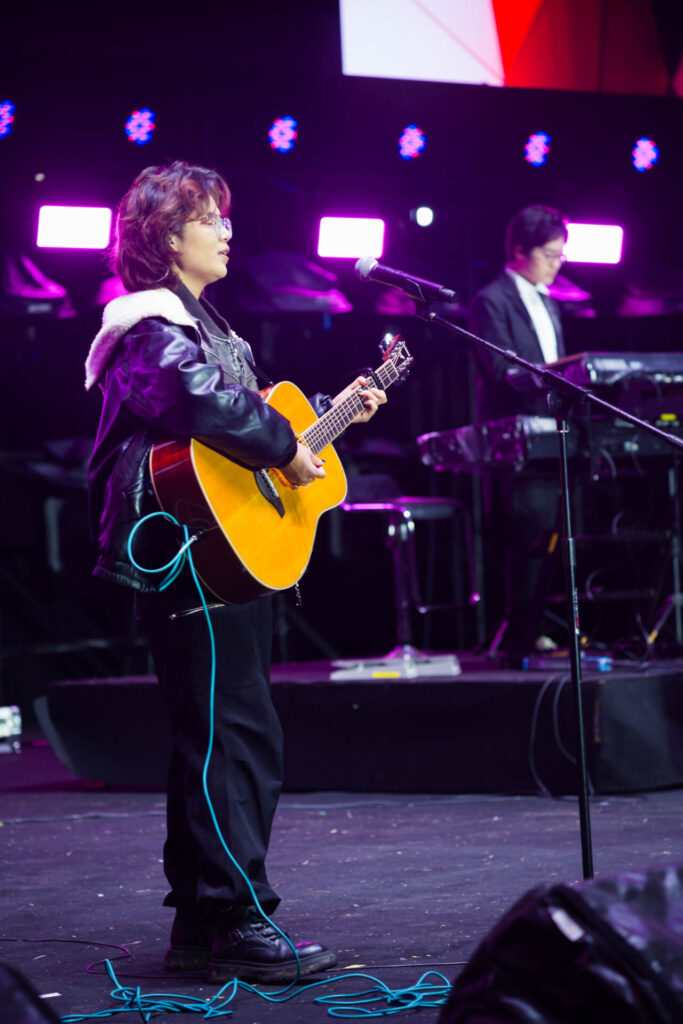
The Q2 Monochrome
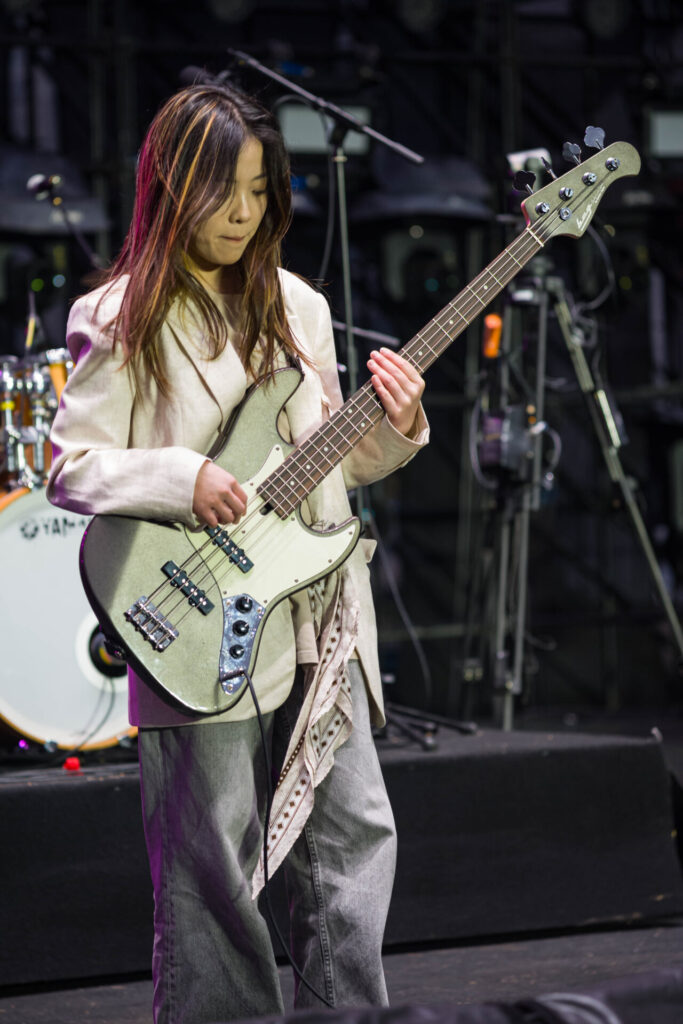
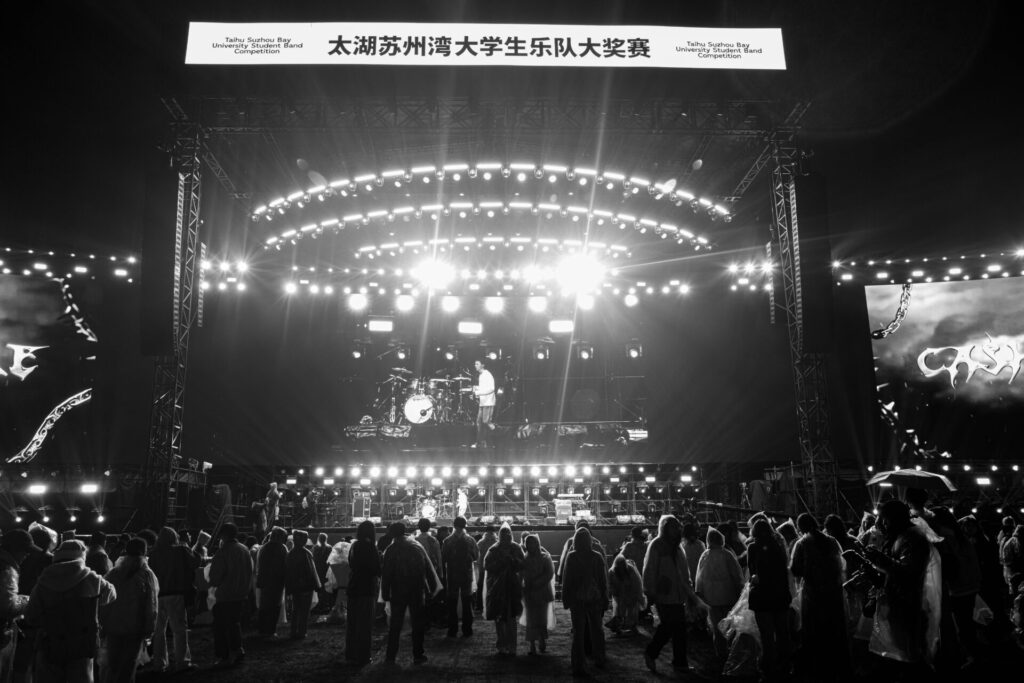
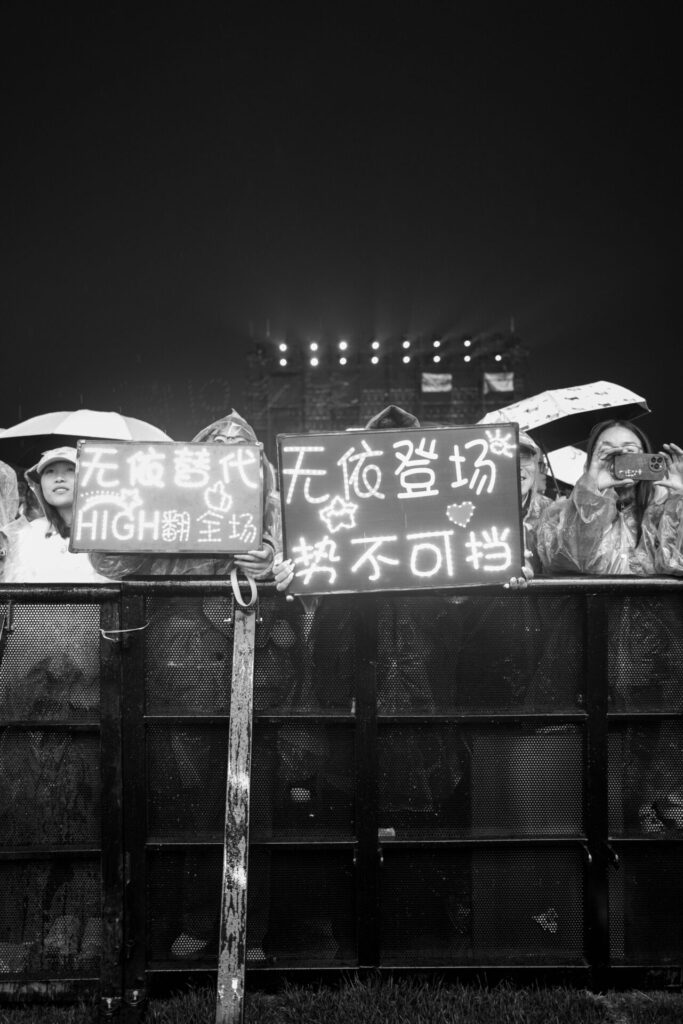
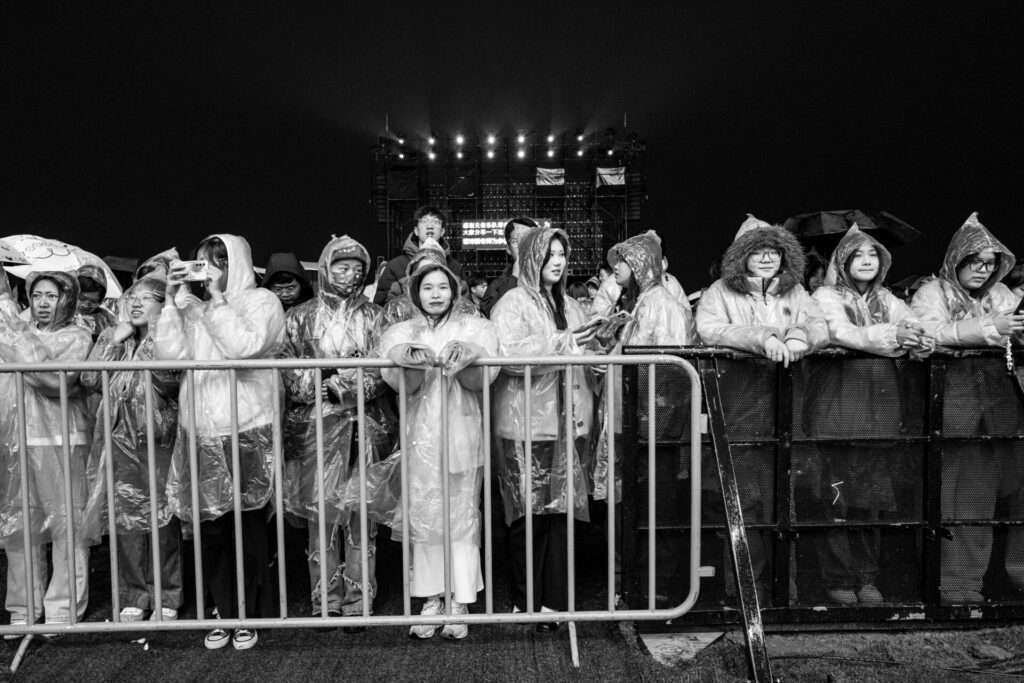
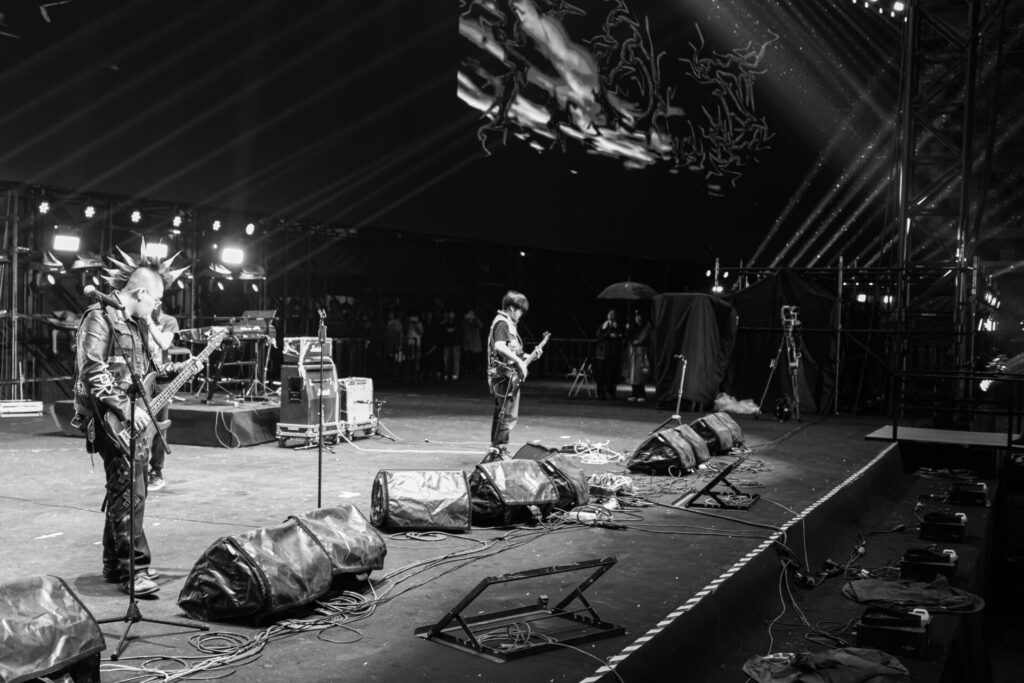
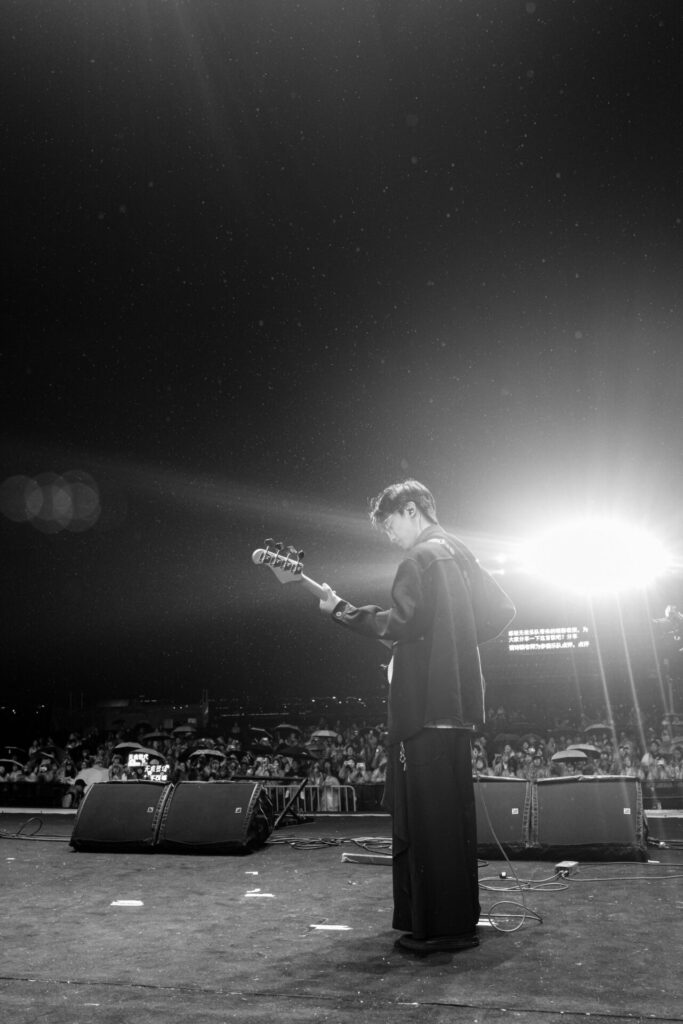
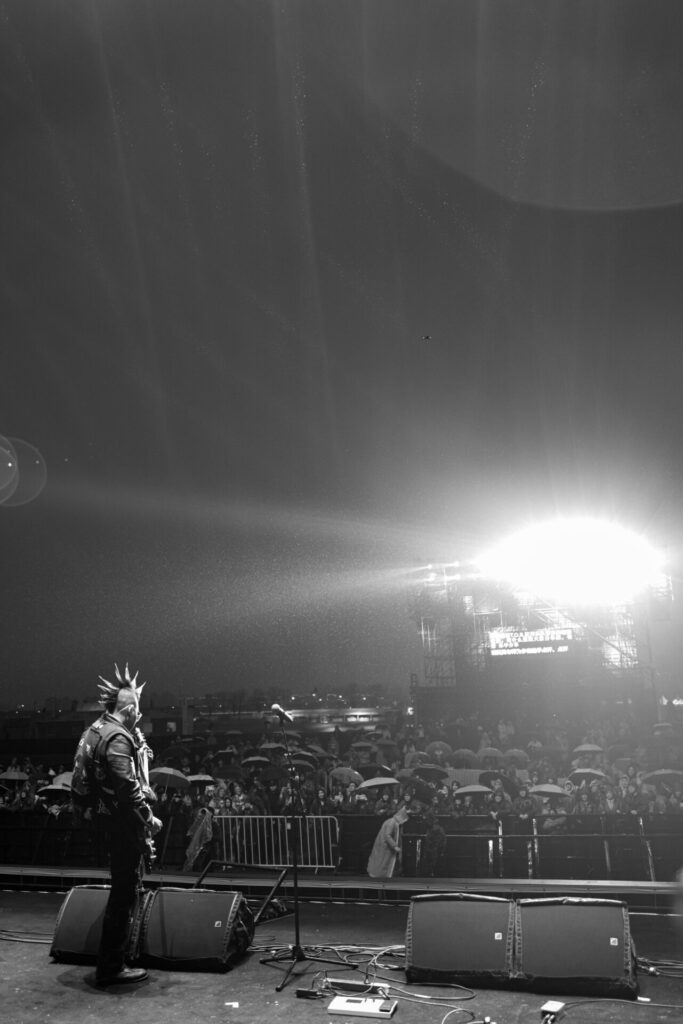
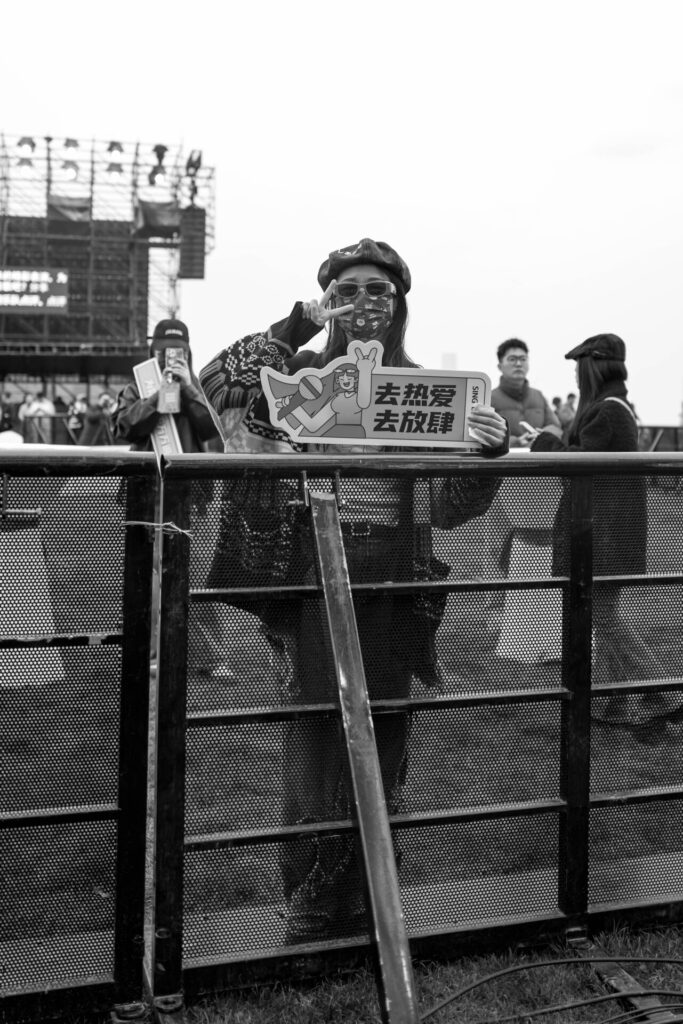
The saving grace was the Leica Q2 Monochrome. It has one major advantage over the M10: resolution. That extra detail allowed me to crop the 28mm images and still get usable results of artists on stage. Cropping is never ideal, but the Q2M gives you that flexibility. Its high ISO performance is also excellent, making it reliable in very dark settings.
Toward the end of the evening, my M10 batteries were dead, so I switched exclusively to the Q2M. To my surprise, its battery lasted longer than the M10’s, even with autofocus running. By then my eyes were sore and I had a splitting headache from manual focusing, so the Q2M’s autofocus was a godsend.

Lessons Learned
Thankfully, this Leica experiment took place during the festival’s pre-event—a university band competition—so I had no obligation to deliver publishable shots. It was just a day of play. And while I love my Leica cameras, they are not work tools for large-scale music festivals in China.
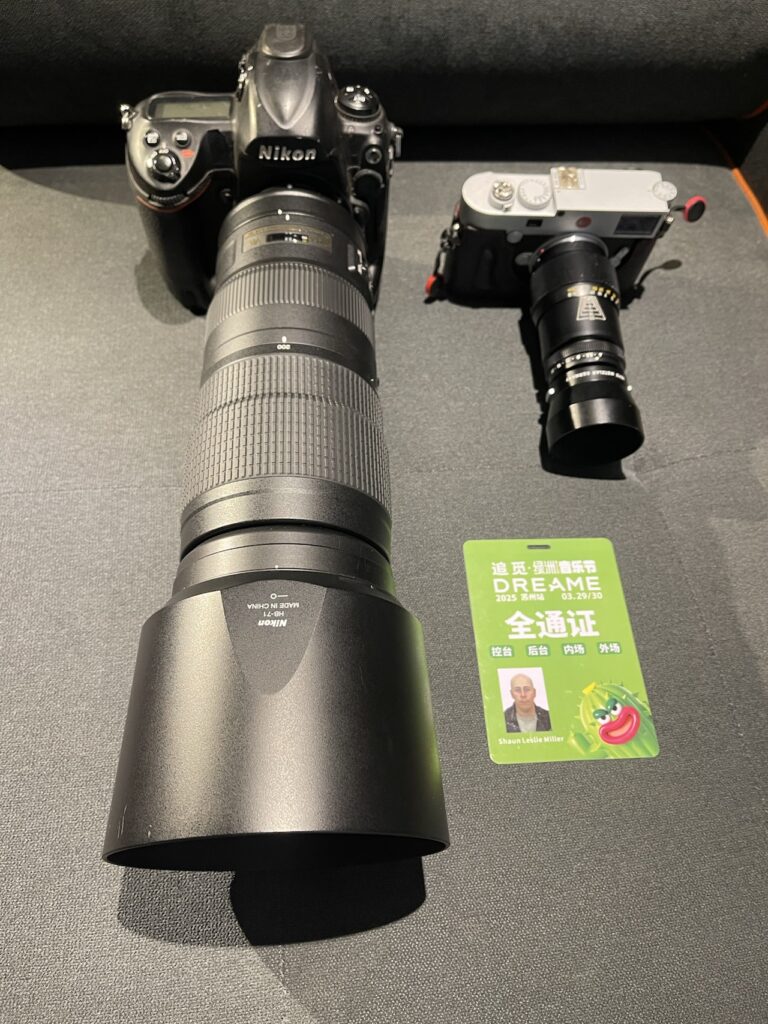
Long focal length is everything here. My workhorse lens is the Nikon 200–500mm, and most photographers carry teleconverters or longer glass. With 40,000–80,000-capacity stages, 200mm is the bare minimum. A Leica M with a 135mm just won’t cut it.
At the end of the day, shooting a festival with the Leica M was a dream come true—but not all dreams end well. I’ll never take the M10 back for festival work. At best, I might use it for BTS shots. The Q2M, however, proved valuable in that role. For the rest of the festival, I left the M10 in the hotel and brought my Nikons for the main work, with the Q2M on hand for BTS and backstage moments. It excelled there.
Final Thoughts
The Leica M system is not suitable for large festival photography. The lenses are too short, too slow, and the system struggles at high ISO. Manual focusing hundreds or even thousands of shots in a day is exhausting, and battery life is another serious limitation.
That said, for smaller shows with intimate stages, a Leica M could still work—especially with a fast 35mm or 50mm. But for the huge festivals I usually cover, it’s simply not viable.
My respect for old-school shooters like Jim Marshall has skyrocketed. Manually focusing multiple Leica bodies, in low light, on slow film, day after day—that level of concentration and discipline is insane. If you’re shooting wide open at f/2 on stage, you’re not zone-focusing at f/8 and firing away. Those photographers were truly awe-inspiring.


I originally bought the Leica Q2 Monochrome during COVID when film stock was unavailable. I’d always thought about taking it to work, but never tried until now. After this festival, it’s earned a place in my bag. It won’t be my primary camera, and it won’t produce anything I can sell here—nobody in China buys black-and-white music images—but it will be my BTS and personal-use camera. And honestly, it makes me happy every time I shoot it.
— Shaun